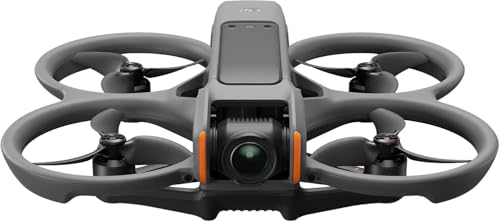
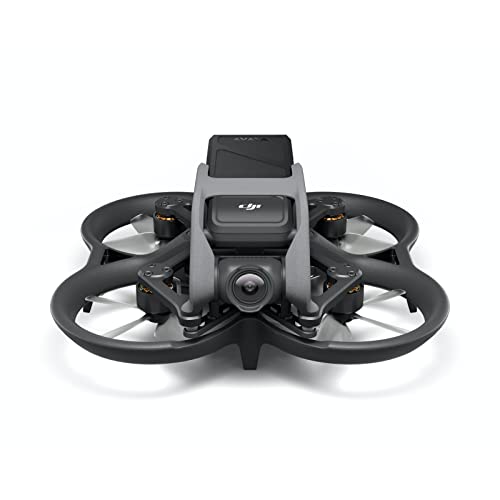
Are DJI FPV drones good?
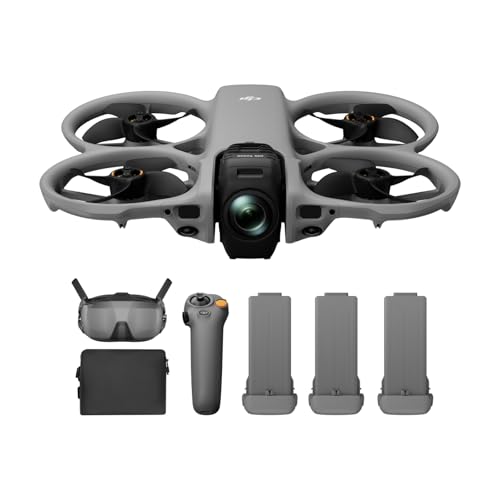
DJI FPV drones are generally strong performers for pilots who want immersive control with a stable safety baseline.
DJI FPV models are strongest in control reliability, safety recovery, and image-system consistency for pilots who want immersive flight without giving up GPS-assisted stability. In this scope, GPS and Return to Home are effectively universal, and obstacle detection is available on roughly nine in ten models.
Main trade-offs are price spread and complexity, because this group includes both lighter consumer FPV options and much heavier professional DJI platforms. DJI FPV drones suit buyers who want an immersive flying experience with stronger safety and camera depth than basic FPV alternatives.
The chart below compares FPV-capable drone brands by average overall score.
[horizontal-chart-14129360368766584248061022220692564426192402199278]
What are the main advantages of DJI FPV drones?
The main advantages of DJI FPV drones are immersive flight feel, stronger recovery systems, and broader camera performance than many entry FPV options.
- Immersion and control: DJI FPV models deliver a first-person flying experience with strong control confidence for both cinematic and dynamic shots. This makes the line appealing to pilots who want speed and engagement without losing orientation support.
- Safety stack: GPS and Return to Home are available across this DJI FPV scope, and obstacle detection appears on about nine in ten models. That safety coverage is a major advantage for pilots transitioning from standard camera drones into FPV workflows.
- Endurance and range: Listed flight time spans about 16-49 minutes and transmission distance about 2-25 km in this group. Stronger models keep control links stable enough for complex routes and repeat takes.
- Camera capability: DJI FPV models in this scope include both agile consumer units and higher-tier camera platforms. This lets buyers choose between compact immersive flying and heavier systems with stronger image depth.
- Ecosystem: DJI apps, firmware flow, and accessory support are mature and widely available. That reduces setup friction and helps pilots progress faster with one consistent platform.
What are the main disadvantages of DJI FPV drones?
The main disadvantages of DJI FPV drones are broad pricing spread, higher system complexity, and heavier options that are less beginner-friendly than compact FPV units.
Price spread: DJI FPV scope in this guide runs from about £170 to £5,800, which is a very wide ladder. Buyers can easily overpay for capabilities they do not need if use case is not defined first.
Complexity: FPV-style setup adds workflow layers such as goggles, controller behavior, and flight-mode discipline. New pilots often need more practice time than with standard camera drones before flying smoothly.
Weight and regulation: This scope includes models from about 135 g to 1230 g. Heavier DJI platforms can trigger stricter handling, transport, and local compliance considerations.
Cost of ownership: Batteries, chargers, propellers, and protective accessories add meaningful total cost beyond the drone body. This is especially relevant for pilots planning frequent FPV sessions.
Learning curve: Strong performance does not remove the skill demand of dynamic FPV flight. Pilots who skip gradual training can still face higher crash risk despite advanced safety tools.
Who makes DJI FPV drones?
DJI FPV drones are made by SZ DJI Technology Co., Ltd., a Chinese company headquartered in Shenzhen. DJI was founded in 2006 and built its global leadership through integrated flight control, gimbal technology, and camera-drone systems.
DJI develops consumer, prosumer, and enterprise drone platforms, including immersive FPV lines and heavier professional systems. Hardware and software are designed as one ecosystem, which is why DJI products often combine app integration, flight automation, and camera control in a unified workflow.
DJI's FPV direction sits inside this broader platform strategy: immersive flight products are developed alongside mainstream camera drones and industrial platforms, then supported through the same firmware, accessories, and global distribution network.
How much do DJI FPV drones cost?
The best DJI FPV drones cost about 400-£1,300, while the full DJI FPV scope in this guide runs from about £170 to £5,800. Lower consumer FPV entries around 200-£550 focus on agility and immersive handling, while the mid band around 700-£1,300 adds stronger camera depth and more complete control behavior.
Prices above roughly £2,600 are mostly tied to enterprise and specialist camera platforms rather than first-step FPV needs. In most cases, those tiers make sense only when industrial workflow, advanced payload capability, or commercial imaging is required.
For many buyers, value sits in the mid range where control confidence, practical endurance, and camera consistency are balanced without paying for heavy enterprise hardware.
What should you consider while choosing DJI FPV drones?
You should consider the following factors when choosing DJI FPV drones:
- Use case: Avata-focused models are stronger for immersive freestyle and agile urban routes, while broader DJI FPV-capable camera lines can suit mixed cinematic and utility workflows. Choosing the right flight style first prevents overspending on features that do not match actual flying behavior.
- Weight: This scope spans about 135-1230 g, which is a large operational range. Lighter options are easier to transport and recover, while heavier platforms are steadier and carry more advanced imaging hardware.
- Safety: GPS and Return to Home are present across this scope, and obstacle detection appears on about nine in ten models. For FPV use, confirm sensing behavior and recovery logic in the specific modes you plan to fly.
- Camera: Avata-class products around 410-£500 prioritize immersive motion capture and agile framing, while mid-to-higher DJI lines from about £600 upward add broader camera depth and stronger utility for mixed cinematic work. At the top end, enterprise DJI families above roughly £2,600 target specialist payload and industrial imaging needs rather than pure FPV agility.
- Flight time: Listed endurance ranges about 16-49 minutes in this guide scope. For dynamic FPV flying, plan around the lower practical side of those claims because aggressive maneuvers drain battery faster than calm cruising.
- Range and speed: Listed transmission distance spans roughly 2-25 km and max flight speed about 14-27 km/h in this scope. For most pilots, stable control quality in real RF conditions matters more than chasing top theoretical numbers.
- Price: Budget around 400-£1,300 for strong consumer-to-prosumer DJI FPV options, and treat higher tiers as specialist purchases. Keep total cost realistic by including batteries, chargers, and protection accessories, not only the drone body price.