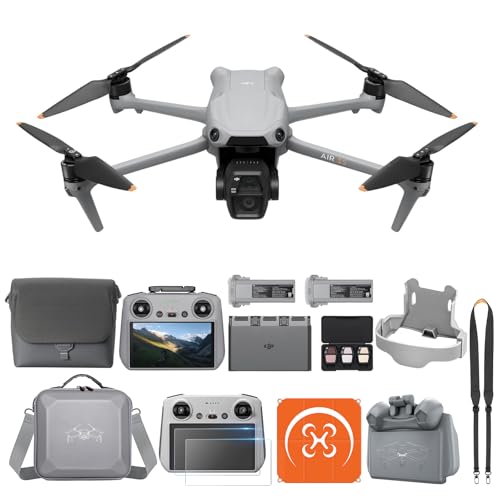
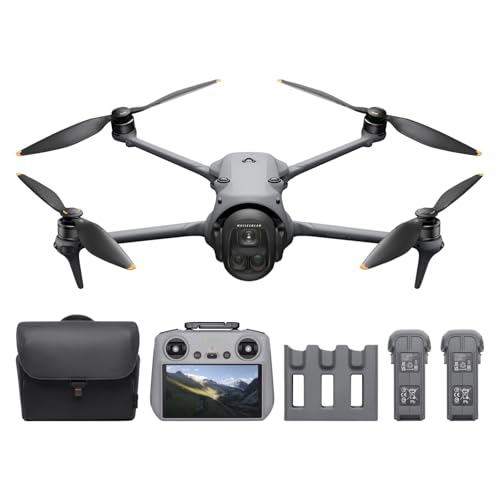
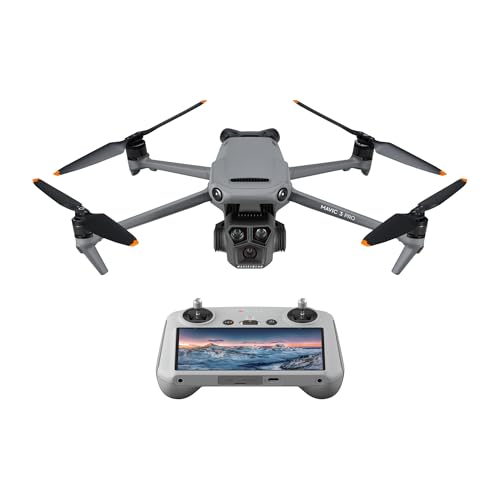
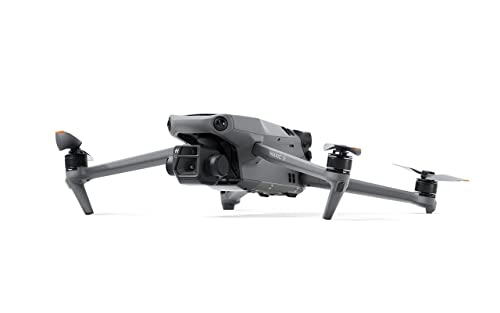
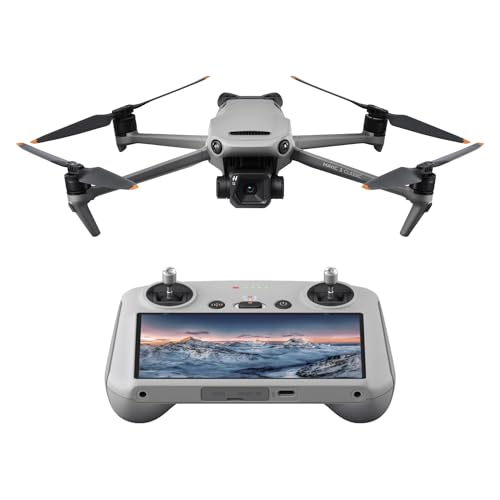
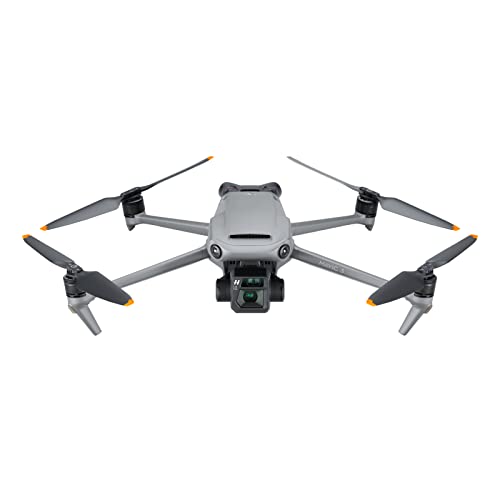
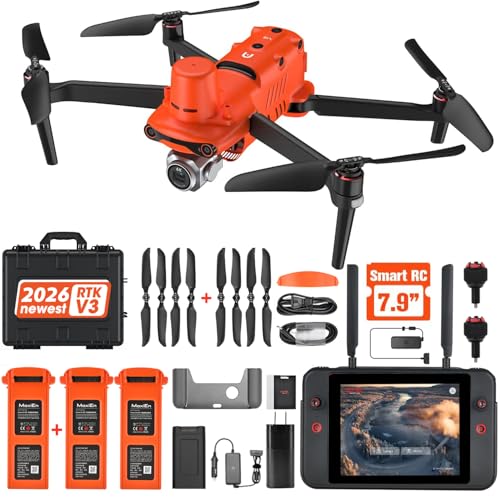
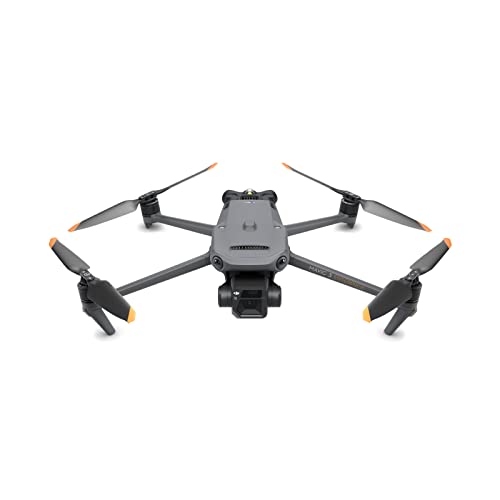
Which brands make the best racing drones?
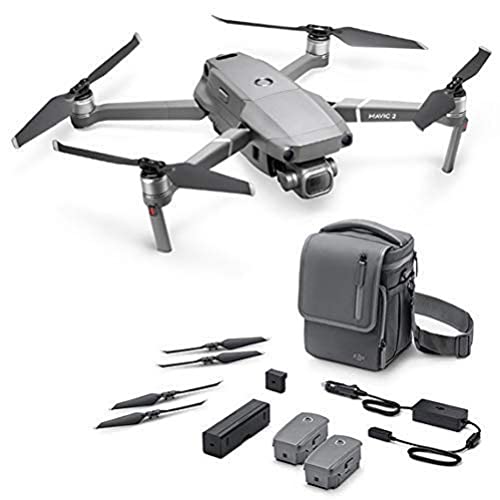
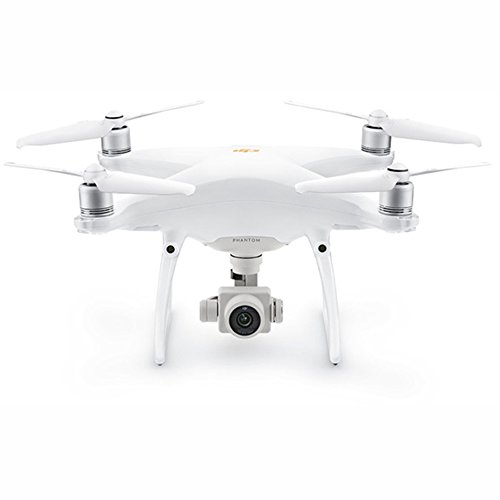
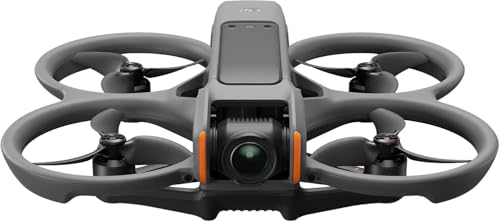
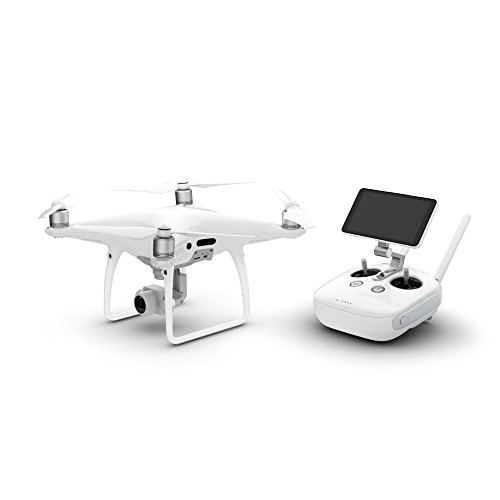
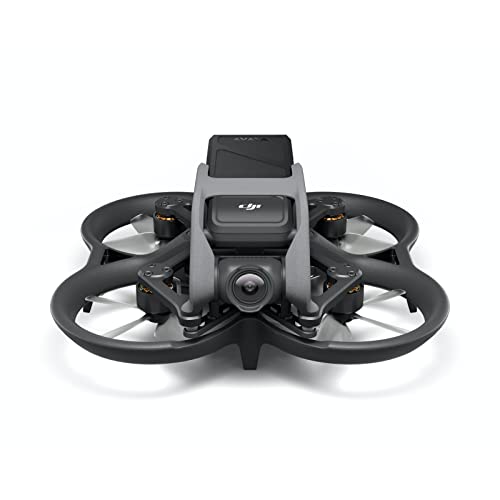
The best racing drone brands are as follows:
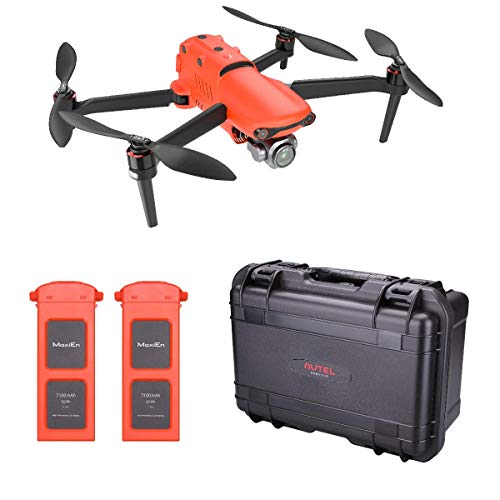
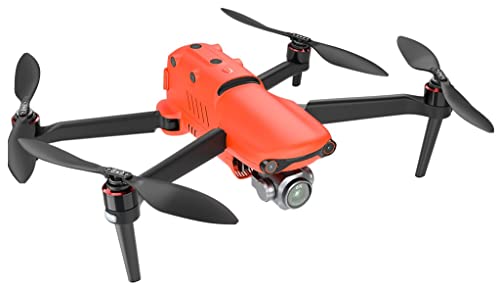
- Autel (Average overall score: 8.5)
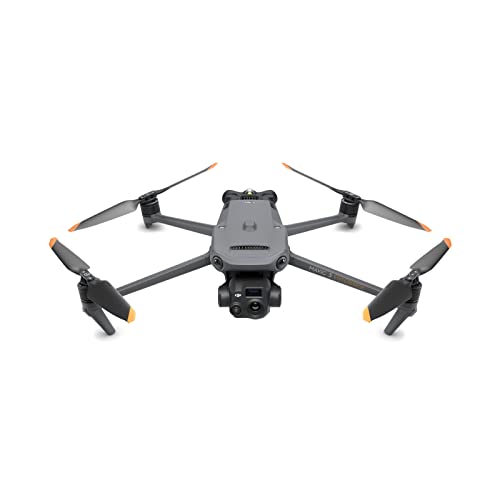
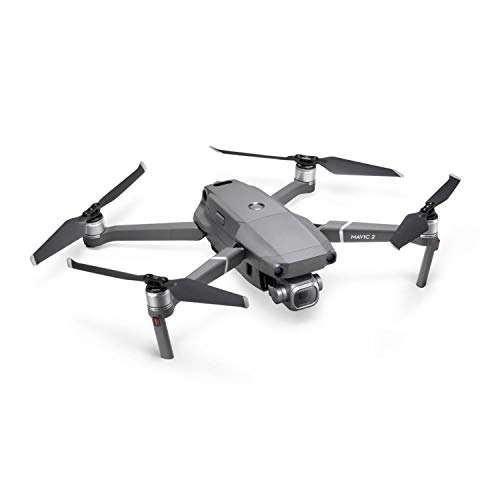
- DJI (Average overall score: 8.4)
- Axisflying (Average overall score: 6.2)
The chart below ranks racing drone brands by average overall score.
[horizontal-chart-11809546294907005908143169247664728705663345097973]
What makes a drone suitable for racing?
A drone is suitable for racing when it combines high top speed with precise control response and consistent stability during rapid directional changes.
Racing suitability depends on the following technical factors:
- Speed envelope: A practical racing baseline starts around 20 m/s and extends up to about 27 m/s in this guide scope. The key is controlled speed delivery, not only peak speed claims.
- Frame behavior: Rigid and durable construction helps maintain tracking accuracy under hard turns and repeated impacts. Better frame balance also improves predictability.
- Control response: Fast but smooth stick response is essential for gate lines and corner exits. Tuning quality matters as much as raw power.
- Link reliability: Long and stable transmission reduces control interruptions at speed. Reliable links are safer and improve confidence in aggressive flight.
- Safety stack: Return to Home and obstacle support provide margin when runs go wrong. Safety systems reduce loss risk during high-intensity sessions.
- Thermal consistency: Sustained performance depends on cooling efficiency and power management. Heat control is critical for repeat laps and training blocks.
Who should consider buying a racing drone?
Racing drones are best for pilots who prioritize speed, responsiveness, and precise manual control over cinematic smoothness or beginner simplicity.
Experienced hobby pilots benefit most when they want tighter turning behavior, faster acceleration, and predictable handling at higher speed. Racing-oriented models reward practice and control discipline rather than automatic flight assistance.
Competitive and training-focused users also gain value from stronger links, robust frame design, and stable control under repeated hard maneuvers. Buyers who mainly want easy aerial video should usually choose a balanced camera drone instead of a speed-first racing setup.
How much do good racing drones cost?
The best racing drones cost about 400-£2,200.
Racing drone pricing usually splits into clear bands: around 400-£800 for entry performance models, roughly 900-£1,300 for stronger high-speed all-round platforms, and about 1500-£2,200 for premium racing-ready systems with advanced hardware and safety support.
Price differences mainly come from motor and control tuning, transmission stability, frame robustness, and onboard safety stack depth. Higher tiers also hold control precision better at speed and under repeated aggressive flight.
How fast are the best racing drones?
The best racing drones are typically in the 20-27 m/s speed range.
High-end racing options hold stronger acceleration and better directional control across this range, while lower-end entries may hit headline speed but lose precision during aggressive turns. Control tuning, frame stiffness, and link stability often decide practical speed performance more than raw motor output alone.
Real racing pace also depends on pilot skill, wind, and route complexity. Stable, repeatable lap speed is usually more valuable than a single maximum-speed run.
What flight control features matter most in racing drones?
The flight control features that matter most in racing drones are the following checks:
- Response tuning: Choose precise control response with adjustable rates and sensitivity profiles. Fine tuning helps match the drone to your flying style and race course type.
- Link latency: Lower and stable transmission latency improves timing in fast gates and quick corrections. Consistent latency is more important than occasional peak range.
- Stability control: Good stabilization and predictable hover recovery improve control after abrupt turns. This reduces overcorrection during training sessions.
- Return logic: Reliable Return to Home is essential as a safety fallback at higher speeds. It limits loss risk when orientation or signal breaks down.
- Obstacle support: Obstacle sensing is not a substitute for pilot skill, but it adds safety margin in mixed environments. Better systems help prevent hard impacts during practice.
- Power management: Smooth throttle mapping and efficient battery behavior keep performance more consistent through a run. Stable power delivery improves lap-to-lap repeatability.
How long can racing drones fly?
Racing drones can typically fly for about 18-50 minutes per battery cycle, with many strong speed-focused models delivering around 25-40 minutes in practical use.
Flight endurance in racing setups depends on throttle intensity, wind load, and battery condition more than lab-style estimates. Aggressive acceleration and repeated hard turns can reduce usable airtime quickly.
Racing sessions are usually most efficient with battery rotation and short structured runs. Consistent per-run endurance matters more than chasing a single maximum flight-time claim.