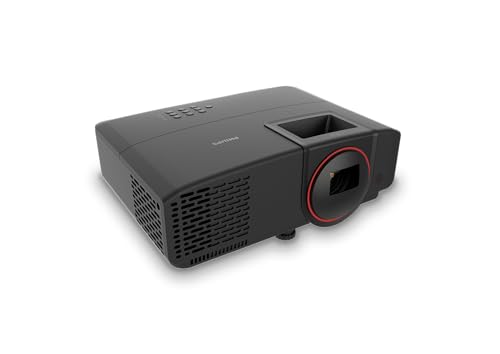
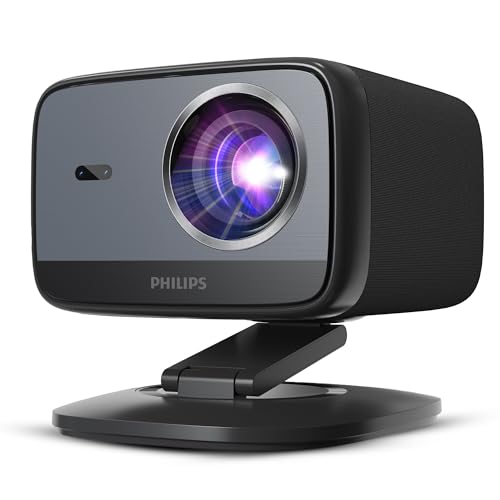
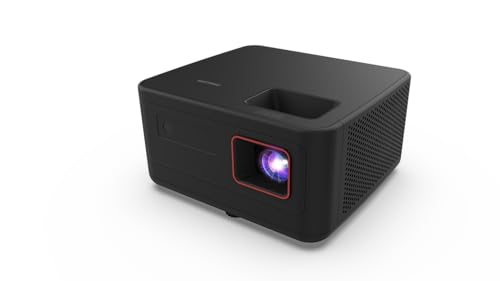
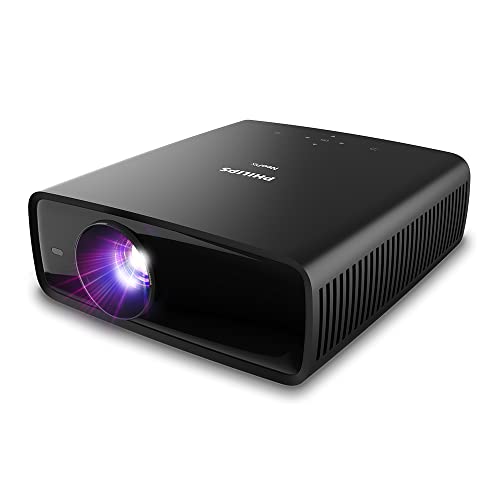
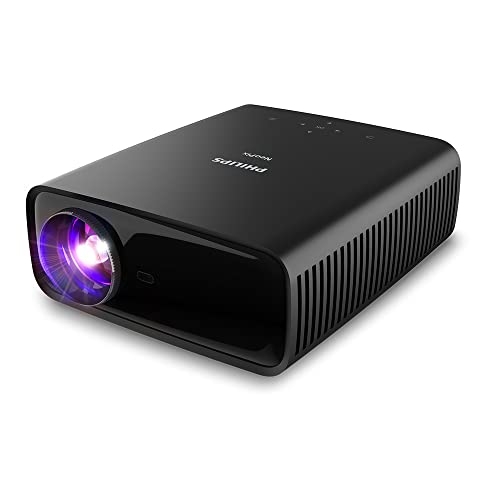
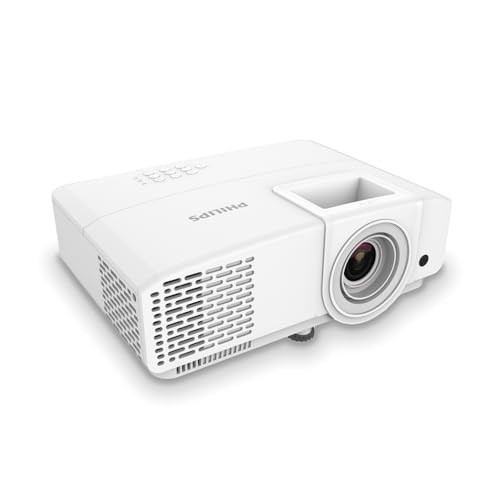
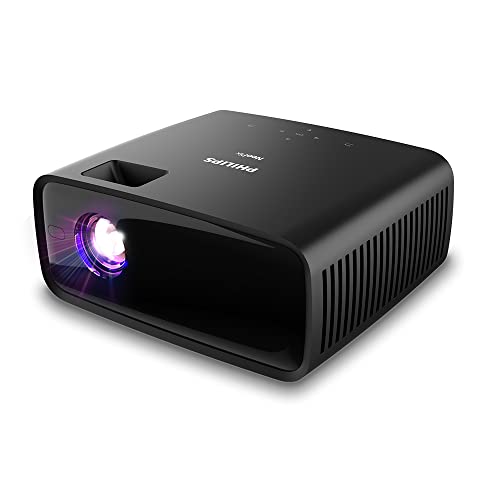
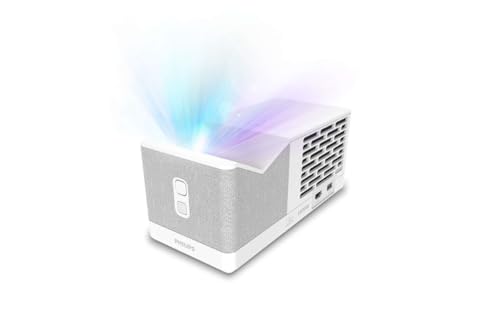
Are Philips projectors good?
Philips projectors have an average overall score of 6, ranking #24 among comparable projector brands, and a user rating of 6.6, placing them at #22 in user reviews.
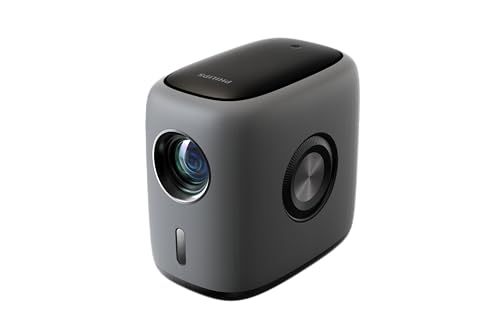
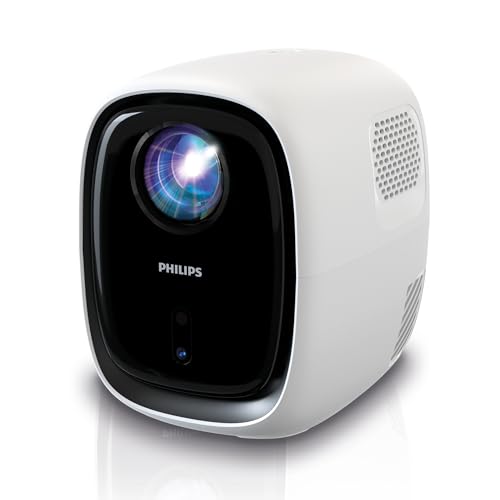
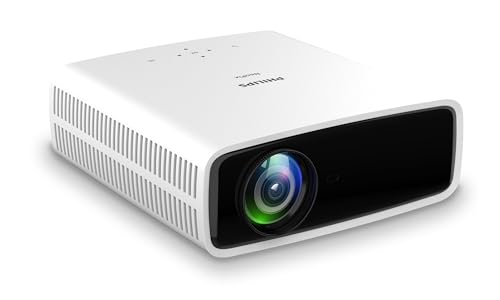
The better Philips-branded projectors can work well for relaxed movie nights, bedroom viewing, or buyers who want a straightforward setup without paying premium-brand prices. The Screeneo side of the lineup has historically been more ambitious, while smaller NeoPix and PicoPix products target portable and budget-friendly use.
The downside is consistency. Philips is not automatically the best choice for raw brightness, black levels, or software polish, and some of the cheaper models compete more with entry-level lifestyle projectors than with serious home-cinema hardware. It is a brand to buy selectively rather than blindly.
The chart below compares projector brands by average overall score.
[horizontal-chart-06222294491359464560168876188160252806382230551488]
What are the main advantages of Philips projectors?
The main advantages of Philips projectors are as follows.
- Familiar consumer brand: Philips branding can feel more reassuring to mainstream buyers than anonymous marketplace projector names, especially for first-time projector shoppers.
- Range from portable to home-focused models: The lineup includes compact portable products and larger home-oriented units, so the brand is not locked to only one use case.
- Simple everyday positioning: Many Philips-branded projectors are designed for casual film, TV, and bedroom use rather than requiring a full enthusiast installation.
- Some strong lifestyle and UST heritage: The Screeneo side of the range has given Philips-branded projection a more ambitious large-screen living-room angle than many budget competitors.
- Often easier entry pricing than premium brands: You can usually access Philips projection without needing the budget required for Sony, Samsung, or high-end LG models.
What are the main disadvantages of Philips projectors?
The main disadvantages of Philips projectors are as follows.
- Performance varies widely by model: A Philips name on the box does not guarantee the same class of image quality across NeoPix, PicoPix, and Screeneo products.
- Budget models can be underpowered: Cheaper portable and lifestyle units may struggle with real brightness, contrast, and speaker quality compared with better mid-range rivals.
- Not a top-tier cinema brand: If you want the best dark-room movie performance or enthusiast controls, Philips is rarely the first brand serious projector buyers choose.
- Software polish is inconsistent: Depending on the model, the smart experience can feel far less refined than on Samsung, LG, Xgimi, or Nebula.
- Installation features are usually limited: Philips projector buyers generally get fewer serious placement tools, optics options, and calibration controls than on enthusiast-oriented brands.
- Model research matters more than brand reputation: Because the line is mixed, buyers need to check the exact projector rather than assuming every Philips option offers the same value.
Who makes Philips projectors?
Most Philips-branded consumer projectors are sold under licence rather than being made by the same Philips division that builds every other household product with the Philips name. In the consumer projector market, the Philips brand has been closely associated with Screeneo Innovation and related licensing arrangements rather than with a giant in-house projector manufacturing operation.
That is useful context because Philips projector products can differ a lot in ambition and positioning. Some models are clearly designed as accessible lifestyle projectors, while others under the Screeneo name push further into living-room or ultra-short-throw territory. Buyers should think of Philips as a licensed consumer brand in projection, not as a single tightly unified specialist projector manufacturer.
What are the main Philips projector series?
The main Philips projector series are as follows.
- NeoPix: The budget and mainstream home-use range, usually aimed at affordable casual viewing rather than top-tier performance.
- PicoPix: Philips' more portable pocket-size and travel-friendly line for convenience-first projection.
- Screeneo: The more ambitious home-entertainment family, including larger lifestyle and ultra-short-throw models for living-room use.
How much do Philips projectors cost?
Philips projectors usually cost about £130 to £1,300 depending on whether you are looking at a simple portable model or a more ambitious Screeneo-style home unit. The low end is mainly about getting an affordable big picture for dark-room casual use, not about strong brightness, deep contrast, or especially refined software.
\n
Spending closer to £260 to £600 is usually where the lineup becomes more sensible, because native 1080p, better speakers, and easier everyday streaming are more common there. In that middle zone, Philips starts to feel less like a cheap experiment and more like a practical bedroom or living-room projector brand.
\n
Past roughly £690 to £860 Philips moves away from budget portability and into pricier lifestyle or laser-focused models. That extra money can improve convenience and room presence, but returns are uneven, so paying more only makes sense if you specifically want the larger-screen Screeneo-style experience rather than just a better value projector.
How do Philips projectors compare with Xgimi projectors?
Philips and Xgimi both compete in lifestyle-friendly projection, but Xgimi is usually the stronger pure projector brand. Xgimi tends to offer better software polish, more consistent auto-setup features, and a clearer product ladder from portable models up to more serious home projectors. Philips is often easier to find at accessible price points and can suit buyers who want a familiar consumer name for casual use.
In practical terms, Xgimi is usually the safer recommendation if you care about overall user experience and projector-specific refinement. Philips makes more sense if you find a particular NeoPix, PicoPix, or Screeneo model at the right price and your needs are simple. Xgimi is generally the more modern specialist choice; Philips is the more mixed, model-dependent one.
What should you consider while choosing the best Philips projector?
When choosing a Philips projector, weigh the following factors.
- Native resolution: On lower-cost Philips projectors, check the native panel resolution rather than the maximum signal they accept. A model that only natively resolves 720p or lower will look much softer on a 90- to 120-inch image than a true 1080p model.
- Real brightness: Compact Philips projectors can look appealing on paper, but brightness is often the real limit. For anything bigger than a small dark-room setup, roughly 800 ANSI lumens or more is a much safer target than inflated marketing numbers.
- Smart software: Built-in media features are useful only if the interface is stable and your main apps work properly. If software quality looks uncertain, it is smarter to treat HDMI streaming from an external stick as part of the setup from day one.
- Focus and geometry: Budget-friendly projectors often rely on keystone correction, but heavy digital correction reduces sharpness at the edges. Check whether the projector can produce a clean rectangular image from the position you actually plan to use.
- Noise and sound: Small home projectors often combine modest speakers with noticeable fan noise. That may be fine for casual bedroom viewing, but it becomes much more obvious during quiet films, so audio-out or Bluetooth speaker support matters.
- Best use case: Philips usually makes more sense for simple home or portable viewing than for serious home-cinema use. Once you approach the top of the price range, compare directly with Xgimi, Nebula, or BenQ because better picture hardware can matter more than familiar branding.