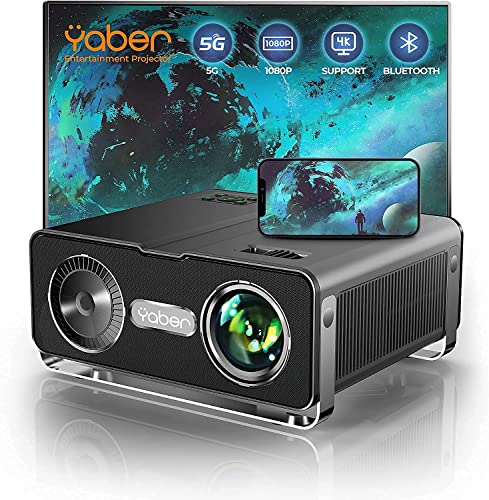
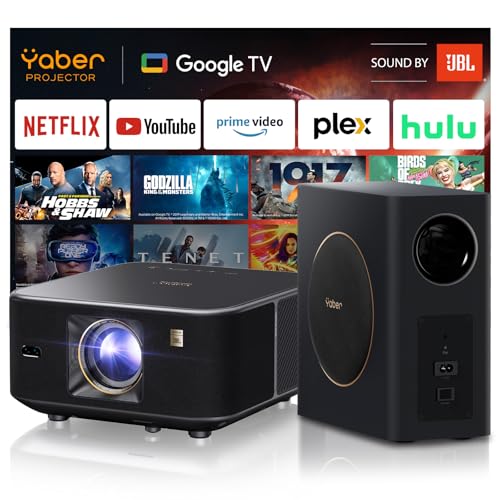
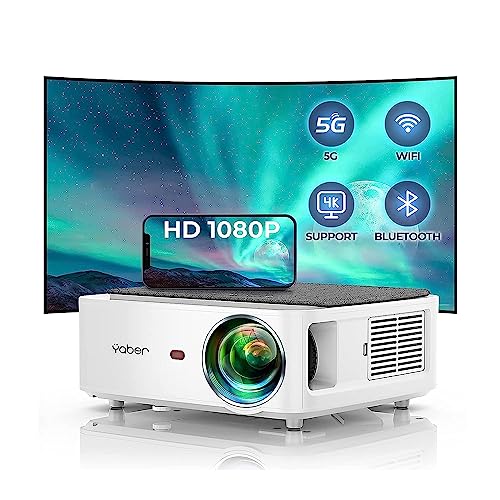
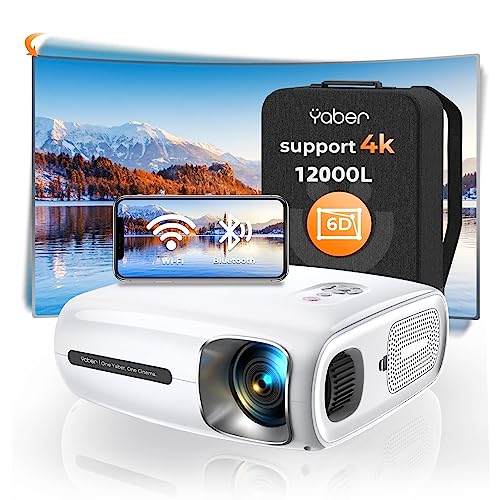
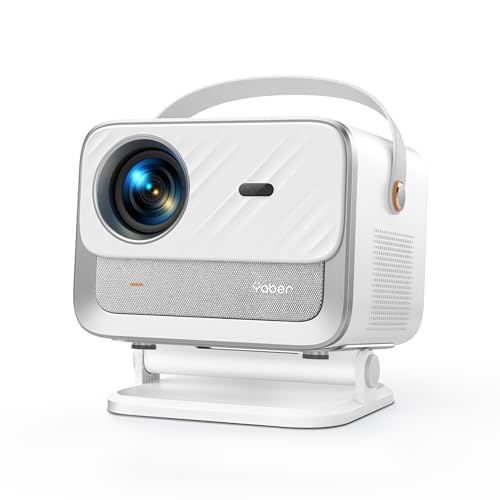
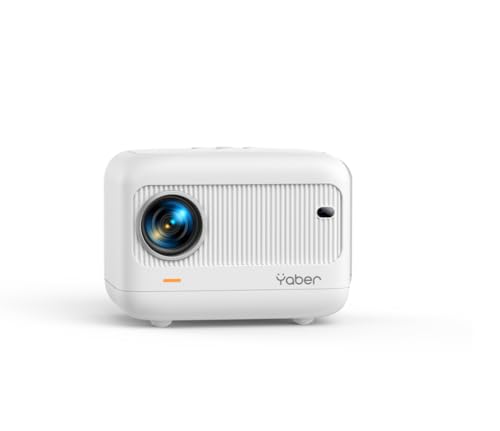
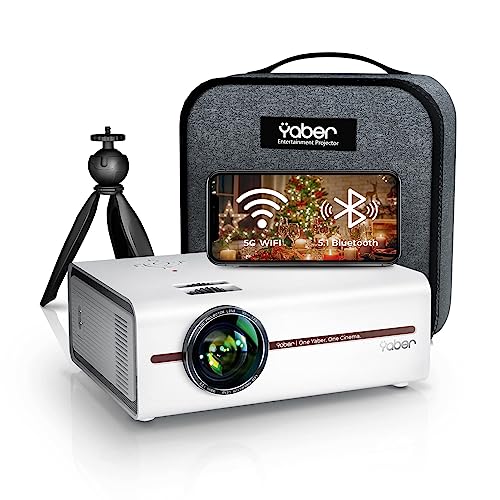
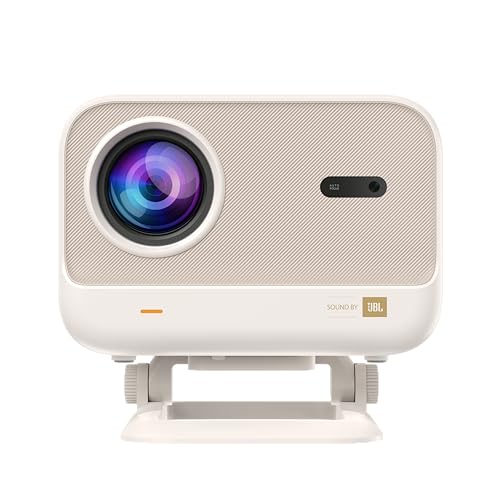
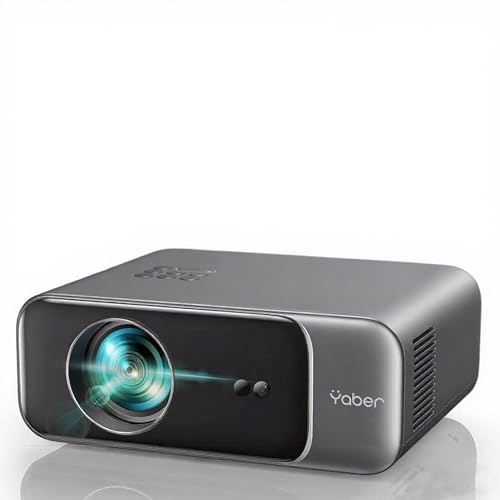
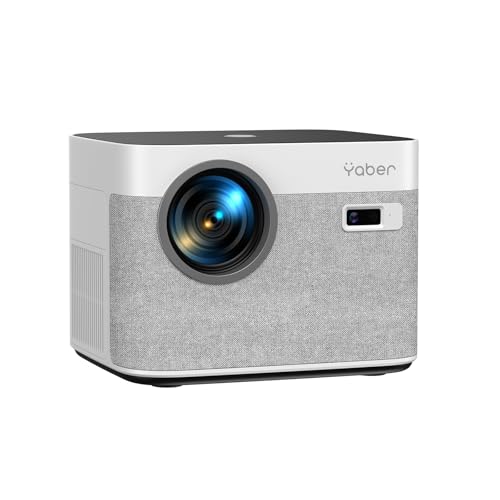
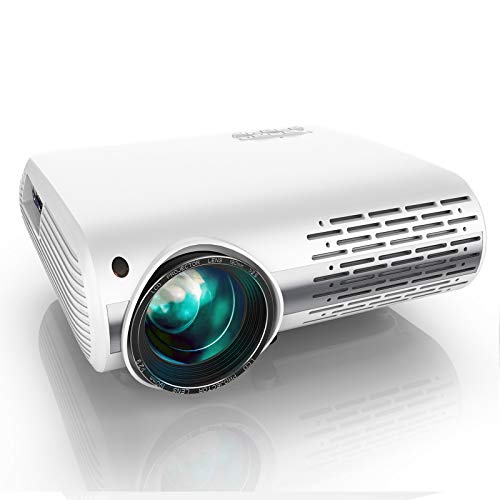
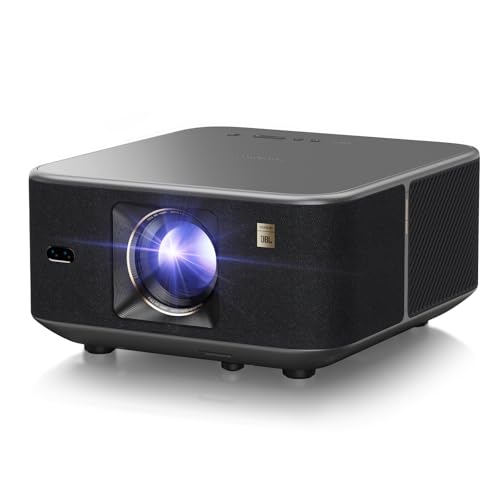
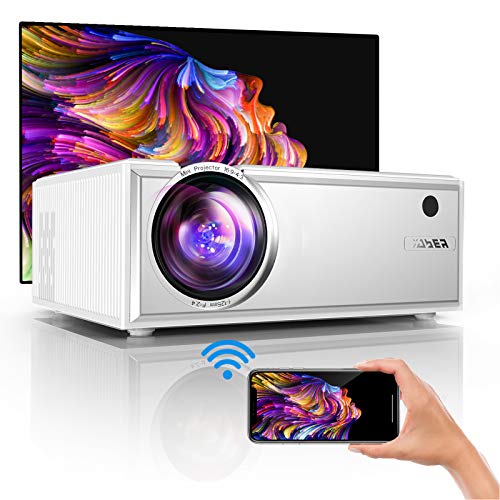
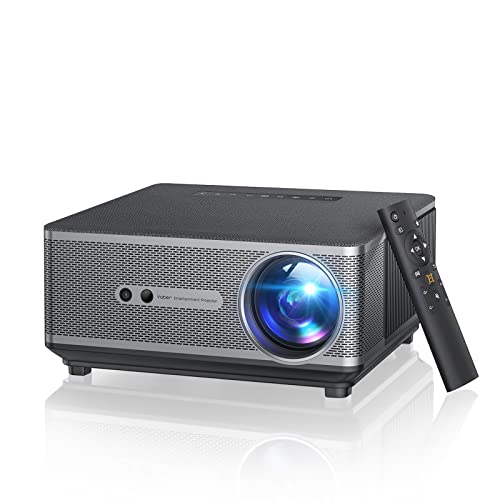
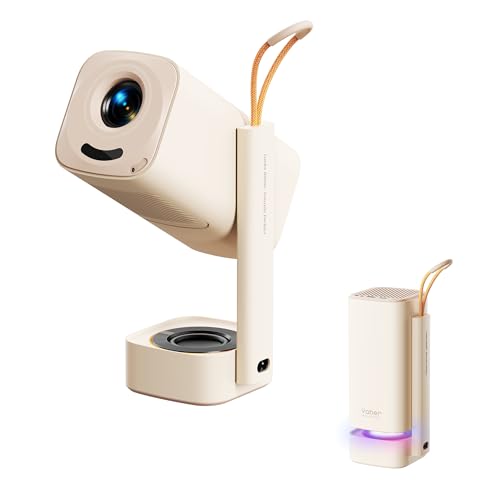
Are Yaber projectors good?
Yaber projectors have an average overall score of 6.5, ranking #19 among comparable projector brands.
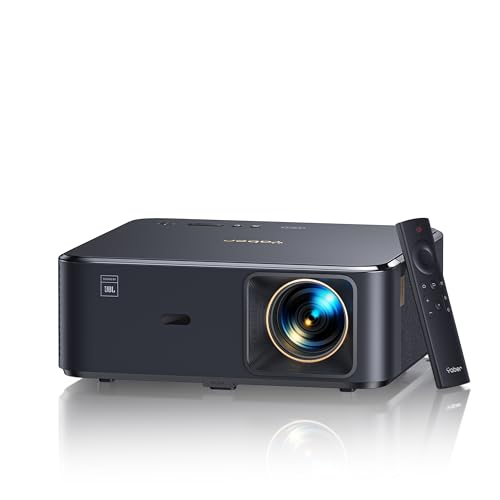
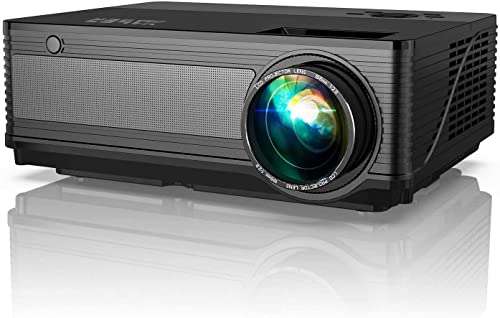
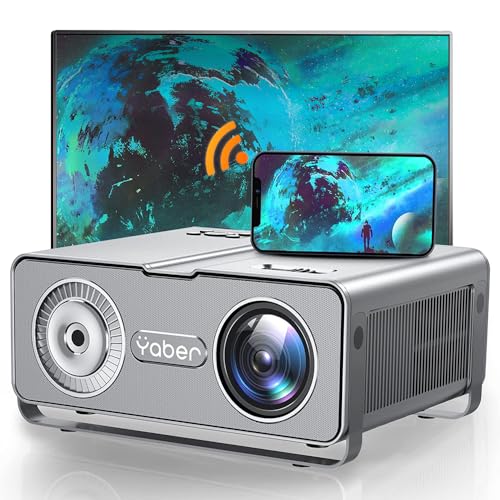
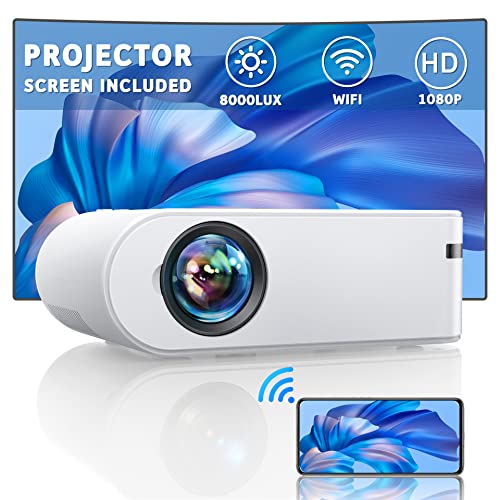
Yaber's better models usually offer full HD positioning, Wi-Fi or Bluetooth convenience, and fairly approachable setup for bedrooms, dorms, or casual movie nights. The company has also become more visible than many ultra-budget rivals, which makes it easier to find real customer feedback and clearer product families.
The main caution is that Yaber still operates in a value-heavy part of the market. Real brightness, black levels, speaker quality, and long-term software refinement are not on the same level as Epson, BenQ, Xgimi, or Nebula. Yaber can be good value, but it is rarely the brand to choose for demanding cinema or gaming use.
The chart below compares projector brands by average overall score.
[horizontal-chart-06222294491359464560168876188160252806382230551488]
What are the main advantages of Yaber projectors?
The main advantages of Yaber projectors are as follows.
- Accessible pricing: Yaber lets buyers get into projector use without the kind of budget required for established premium projector brands.
- Modern entry-level features: Wi-Fi, Bluetooth, built-in streaming-friendly interfaces, and electronic setup tools help Yaber feel more usable than very old-school budget projectors.
- Reasonable first-projector appeal: For bedrooms, dorms, kids' rooms, or occasional movie nights, Yaber often covers the basics without major complexity.
- More visible brand identity than many generic rivals: Yaber has developed recognisable model families and broader online presence, which gives buyers more confidence than a random marketplace brand with no continuity.
- Portable and compact options: The range includes smaller units that are easier to move or store than larger traditional projector boxes.
What are the main disadvantages of Yaber projectors?
The main disadvantages of Yaber projectors are as follows.
- Real brightness is limited: Even when the headline specs sound strong, budget compact projectors typically cannot compete with mid-range home models in brighter rooms.
- Picture consistency is weaker: Focus uniformity, colour accuracy, contrast, and motion can be noticeably less refined than on stronger projector brands.
- Audio is usually basic: Built-in speakers are often fine for casual use but rarely replace a proper soundbar or speaker pair.
- Software and support are not top tier: The interface may be less polished and long-term update support less predictable than on better-known smart-projector brands.
- Long-term durability confidence is lower: Very cheap projector brands tend to inspire less trust around cooling, optics stability, and years of consistent use.
- Not ideal for serious gaming or cinema: Buyers who care about low lag, deep blacks, or large bright screens will usually outgrow Yaber quickly.
Who makes Yaber projectors?
Yaber projectors are sold under the Yaber consumer-electronics brand, which is focused mainly on affordable smart and portable projection products. The company operates much more like a modern value-focused direct-to-consumer electronics brand than like a legacy projector specialist such as Epson or Optoma.
That positioning explains both the appeal and the limits of Yaber. It moves quickly, aims for accessible prices, and concentrates on convenience features that matter to casual buyers, but it does not bring the same depth of projection engineering or long-established dealer support that the biggest specialist brands do.
What are the main Yaber projector series?
The main Yaber projector series are as follows.
- K series: The stronger home-oriented models in Yaber's lineup, usually positioned above the cheapest units with better brightness and more complete feature sets.
- T series: More portable or lifestyle-focused projectors intended for easier movement and casual everyday use.
- V series and other budget compact lines: Entry-level models aimed at first-time buyers who mainly want low cost and simple big-screen viewing.
- Shifting smart variants: Yaber often refreshes models with updated streaming or connectivity features rather than maintaining a perfectly stable long-term naming structure.
How much do Yaber projectors cost?
Yaber projectors usually cost about £130 to £520 which keeps the brand firmly in the budget end of the market. That low pricing is attractive, but it also reflects the usual compromises in brightness, speaker quality, software refinement, and overall picture consistency.
\n
The brand tends to make the most sense around £220 to £340 where native 1080p, better wireless features, and more helpful auto-setup tools start becoming common. In that range, a Yaber can work reasonably well as a first projector for a bedroom, dorm, or casual movie setup.
\n
Once prices move beyond about £390 Yaber stops feeling like pure budget gear and starts bumping into stronger mainstream rivals. At that point, spending more within Yaber usually brings smaller gains than switching brands, so the value ceiling arrives earlier than it does with better-established projector makers.
How do Yaber projectors compare with Xiaomi projectors?
Yaber and Xiaomi both appeal to value-conscious buyers, but Xiaomi usually sits a step higher in design polish, software credibility, and higher-end projector ambition. Yaber is more directly focused on low-cost access to casual projection, while Xiaomi spans from compact smart projectors to more ambitious laser and living-room-oriented products.
If your main goal is simply to spend as little as possible and still get a usable projector for relaxed home viewing, Yaber can make sense. If you want better overall refinement, stronger brand ecosystem support, or a path into more capable smart and laser models, Xiaomi is usually the stronger brand. Yaber is the cheaper entry point; Xiaomi is the more complete smart-projector ecosystem.
What should you consider while choosing the best Yaber projector?
Keep the following checks in mind when comparing Yaber projectors.
- Real brightness: Do not buy a Yaber projector on marketing lumen claims alone. Try to find ANSI or similarly standardised brightness figures, because many low-cost models look acceptable only in a fairly dark room and at moderate image sizes.
- Native resolution: A true 1080p panel is much safer than a lower-resolution panel that merely accepts a 1080p signal. On a 100-inch image, soft detail, subtitles, and text become obvious quickly if the projector is not genuinely resolving enough detail.
- Streaming limits: Many budget projectors handle HDMI input better than built-in streaming apps. If the software side looks rough, plan on using a Fire TV, Roku, or similar stick instead of expecting polished smart-TV behaviour.
- Focus and keystone: Cheap auto-keystone or heavy digital correction often creates a sharp centre with soft edges. Check whether the projector can stay square to the screen in your room, because better placement matters more than extra features here.
- Noise and speakers: Low-cost projectors often save money with louder fans and weaker speakers. That can be fine for casual use, but it matters a lot in quieter films, so Bluetooth or audio-out support is worth checking.
- Spend ceiling: Yaber makes the most sense when the budget is genuinely tight. Once you get close to the upper end of Yaber pricing, compare with Nebula, Xgimi, or entry Epson and BenQ models because the jump in polish can be significant.