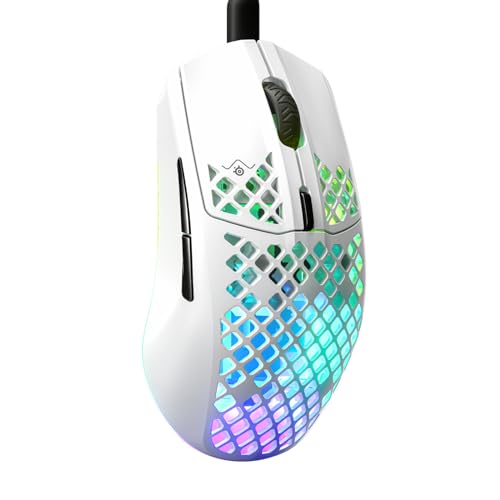

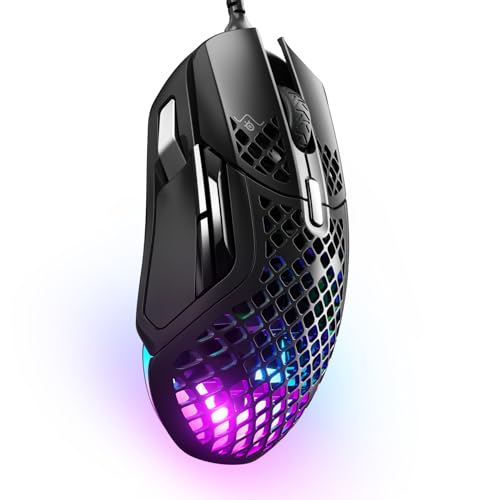
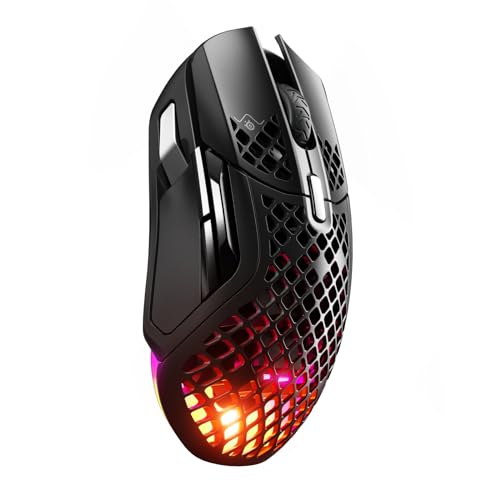
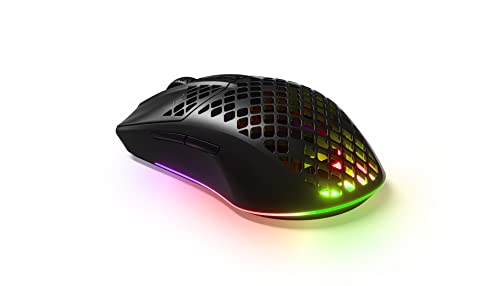
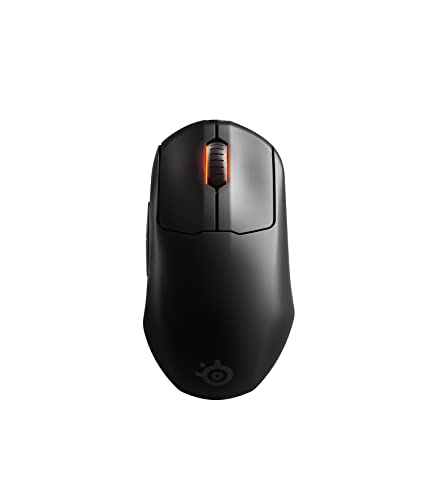
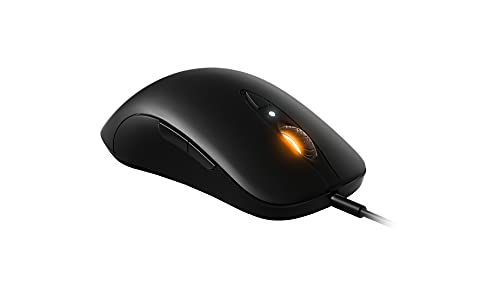
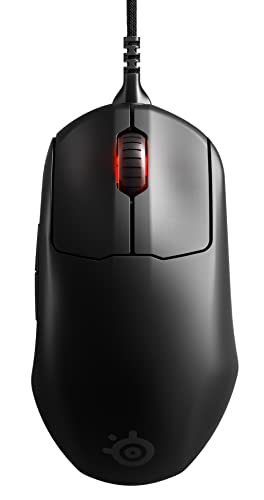
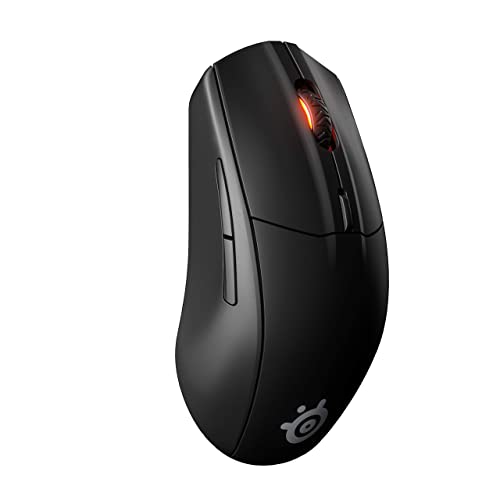
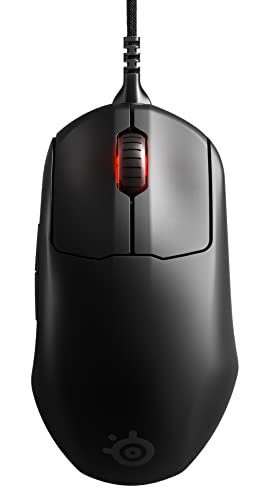
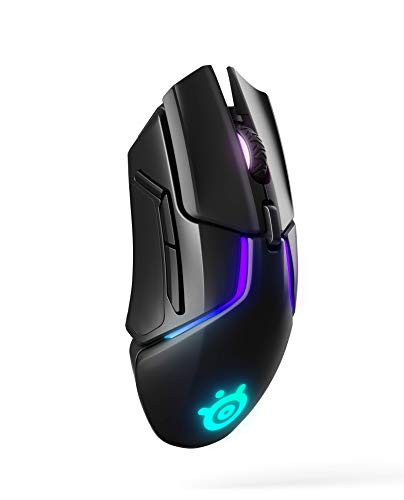
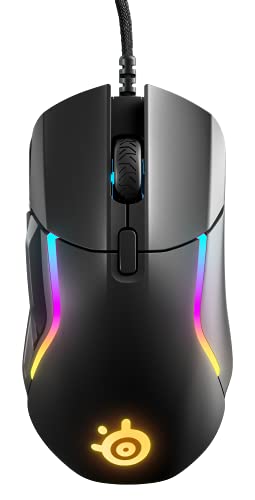
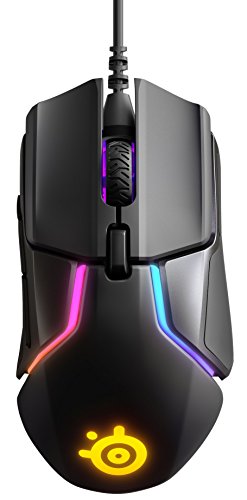
Are SteelSeries mice good?
SteelSeries mice have an average overall score of 7.2, ranking #14 among all mouse brands in this guide, and an average user rating of 9.1, placing them at #14 by user reviews.
SteelSeries mice are generally good if you want a brand whose mouse range is centered on gaming rather than split evenly between office and gaming use. SteelSeries keeps its lineup tightly centered on gaming, which gives the brand a more focused identity than many broader peripheral makers.
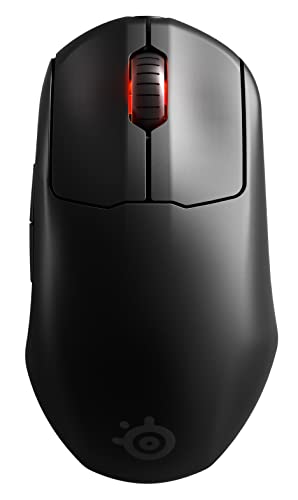
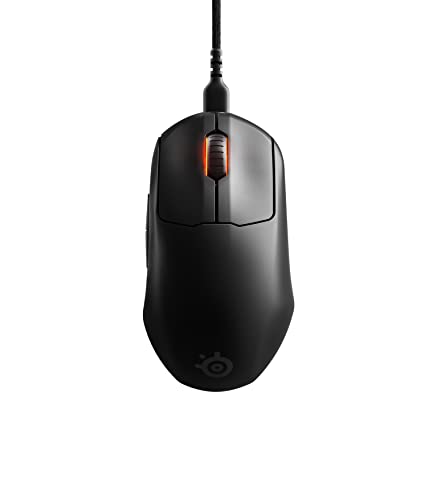
SteelSeries mice are strongest when you want recognizable gaming families with clear roles. Aerox covers the lighter and more modern side, Prime handles competitive right-handed shapes, Rival stays in the broader all-round gaming lane, and Sensei remains the ambidextrous legacy option.
The tradeoff is that SteelSeries runs a smaller and more conservative mouse lineup than some rivals. The brand does not offer the same breadth of shapes, polling-rate extremes, or category reach as the biggest gaming specialists, so the best SteelSeries mice win more on lineup clarity and gaming focus than on having the widest possible technical spread.
The following chart ranks different mouse brands by their overall score.
[horizontal-chart-10006215032922910990025366955646244765042673557078]
What are the main advantages of SteelSeries mice?
The main advantages of SteelSeries mice are as follows.
- Focused gaming lineup: SteelSeries keeps its mouse range strongly centered on gaming. That makes the brand easier to understand if you are shopping specifically for play rather than for mixed office use.
- Clear series structure: The lineup is split into recognizable families such as Aerox, Prime, Rival, and Sensei. Those branches are easier to shop than a brand that constantly overlaps too many similar models.
- Good lightweight coverage: Models such as the Aerox branch give SteelSeries a credible lightweight side, with weights going down to about 59 g. That matters if fast movement and lower fatigue are priorities.
- Strong wireless presence without abandoning simpler models: SteelSeries offers a meaningful wireless branch, but it still keeps several straightforward wired options for buyers who want less complexity.
- Solid gaming consistency: The lineup here is entirely gaming-oriented, so the brand does not dilute its mouse identity with many unrelated office-first products.
The biggest strength of SteelSeries mice is that they feel deliberately curated. The brand does not cover every possible niche, but it does keep a clean gaming-focused range with clear families and few completely random outliers in shape philosophy.
What are the main disadvantages of SteelSeries mice?
The main disadvantages of SteelSeries mice are as follows.
- Smaller lineup than the largest gaming brands: SteelSeries covers the key gaming families, but it still offers only 16 current mouse models in this guide scope. That means less shape variety than brands with much broader catalogs.
- Less technical spread at the top end: SteelSeries also tops out at 1,000 Hz polling across the lineup shown here. Buyers chasing the latest 4,000 Hz or 8,000 Hz-class positioning may find stronger options elsewhere.
- Limited non-gaming diversity: SteelSeries is a strong gaming brand, but that focus also means fewer ergonomic office-style, productivity-first, or travel-first mice than broader competitors offer.
- Some branches feel older or narrower: Rival and Sensei are recognizable names, but parts of the lineup feel more legacy-driven than fresh. Not every series feels as actively developed as Aerox or some rival ecosystems.
- Price data can look uneven: Most of the range sits in a sensible gaming bracket, but the current pricing data also includes at least one clear outlier listing. That means buyers should treat listed prices carefully rather than assuming every value reflects the practical market.
The main downside of SteelSeries mice is not that they are weak, but that they are selective. If the brand's shapes and families fit you, the lineup is coherent; if they do not, there are fewer alternative branches inside the same brand than some competitors provide.

Who makes SteelSeries mice?
SteelSeries mice are made by SteelSeries, a Danish gaming-peripherals company best known for gaming mice, keyboards, headsets, mousepads, and esports-oriented accessories. In other words, SteelSeries is not a reseller label for someone else's mouse lineup.
That matters because the mouse range reflects a fairly consistent company philosophy. SteelSeries tends to design around gaming-first use, recognizable series families, and a cleaner catalog structure rather than trying to cover every possible office and lifestyle niche at the same time.
So when you buy a SteelSeries mouse, you are buying into a specialist gaming brand with an established identity in competitive peripherals. That usually makes SteelSeries most relevant for buyers who want focused gaming hardware rather than a general electronics brand that happens to sell mice.
What are the main SteelSeries mouse series?
The main SteelSeries mouse series are as follows.
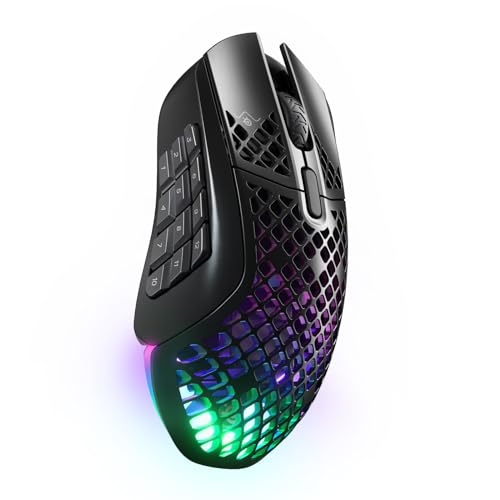
- Aerox series: Aerox is SteelSeries' lighter and more modern family. It covers the leaner gaming side of the lineup, including simpler lightweight models and at least one more button-rich wireless variant.
- Prime series: Prime is one of the clearest competitive branches in the SteelSeries range. It is aimed at buyers who want right-handed esports-style shapes in wired and wireless forms, including smaller Mini variants.
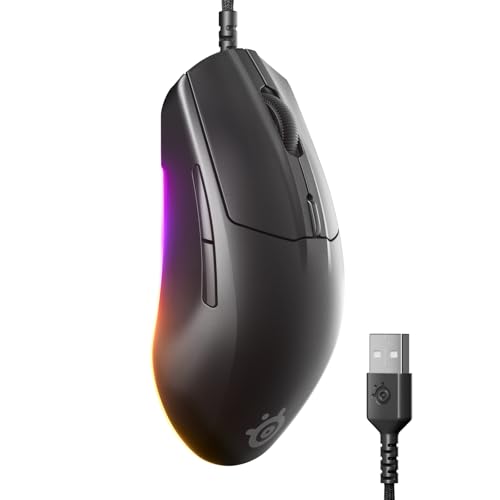
- Rival series: Rival is the broader all-round gaming branch. It includes more mainstream gaming models and some older but still recognizable options that sit between competitive simplicity and richer feature sets.
- Sensei series: Sensei is the ambidextrous legacy branch in the lineup. It is most relevant for buyers who prefer that older symmetrical SteelSeries identity rather than newer ergonomic shells.
SteelSeries keeps its mouse lineup relatively compact, so its series are easy to follow. The overall split is mostly between lighter Aerox models, competitive Prime shapes, broader Rival all-rounders, and the more classic ambidextrous Sensei direction.
How much do SteelSeries mice cost?
SteelSeries mice usually start around £35, and most models sit roughly between £35 and £130. The raw data also includes one much higher outlier listing at £900, so the practical buying range is more useful than the simple maximum when judging how SteelSeries is positioned.
In practical terms, SteelSeries sits in the mid-range to upper-mid-range gaming bracket. The brand charges for gaming-focused shapes, lighter designs in parts of the lineup, and a solid wireless presence, but it usually stops short of the very broad premium spread seen from some larger gaming competitors.
This chart visualizes SteelSeries mouse prices.
[vertical-chart-15320042472673519028086504006578715719702463894650]
How do SteelSeries mice compare with Razer models?
SteelSeries mice usually compare with Razer models as the more focused and narrower gaming brand, while Razer is the broader and more aggressive gaming specialist. SteelSeries is stronger if you want a cleaner lineup with clearer family roles and less catalog sprawl, whereas Razer is stronger if you want maximum choice across shape, weight, polling-rate tier, and feature depth.
Inside the current gaming scope, Razer's catalog is much broader and more technically aggressive, while SteelSeries stays lighter, more selective, and more tightly curated around Aerox, Prime, Rival, and Sensei-style roles. In practice, SteelSeries is the more selective gaming brand, while Razer is the more expansive and technically ambitious one.
So the better brand depends on what matters most to you. SteelSeries makes more sense if you want a tighter gaming catalog with clearer branch identities, while Razer is usually the better fit if you want the broader performance-first range.
What should you consider while choosing the best SteelSeries mouse?
The main technical criteria for the best SteelSeries mouse are as follows.
- Series fit: SteelSeries is compact enough that the family name does most of the buying work. Aerox is the light speed-first branch, Prime is the cleaner competitive branch, Rival is the fuller mainstream all-round direction, and the heavier multi-button outlier only makes sense when you actually need more controls than the normal SteelSeries formula provides.
- Shape and weight: SteelSeries covers a meaningful spread from lightweight competitive mice to much fuller, heavier designs, and those bands behave very differently. If you want the quicker, lower-mass end of the catalog, stay near the lighter Aerox-style zone; if you want a safer all-round fit, stay in the middle; the heavier end usually means you are entering the fuller or more specialized side of the lineup.
- Button logic: SteelSeries does not flood the market with wildly different control counts, so the exceptions matter. Five to six buttons is the normal competitive layout, seven to nine belongs to fuller all-round shells, and the very high-button-count option is only sensible when MMO or command-heavy use is the real reason you are shopping.
- Connection choice: Wireless-capable models are common, but the practical split is still simple. Wired is the easiest no-maintenance option, 2.4 GHz is the worthwhile branch if gaming wireless is the goal, and Bluetooth only matters when laptop or mixed-device convenience is part of the job.
- Catalog depth: SteelSeries gives you fewer overlapping alternatives than Logitech or Asus, which means a wrong series pick is harder to correct later within the same brand. That is why the family decision matters more here: you are usually better off matching the core shell philosophy first and then worrying about secondary specs.
- Price positioning: Because the catalog is smaller, the higher price points tend to reflect a clearer move into lighter shells, better wireless, or more specialized layouts rather than small cosmetic refinements. In other words, pay up when the branch itself changes what the mouse does, not just because the badge says flagship.