
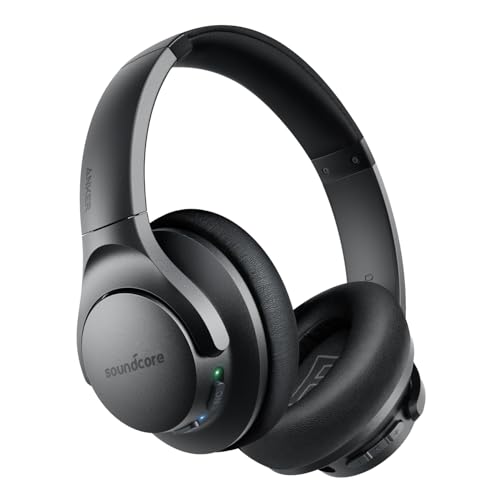
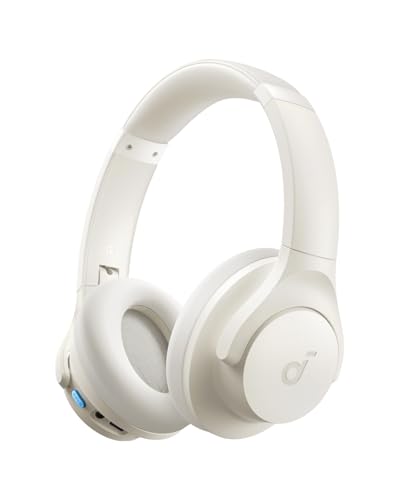
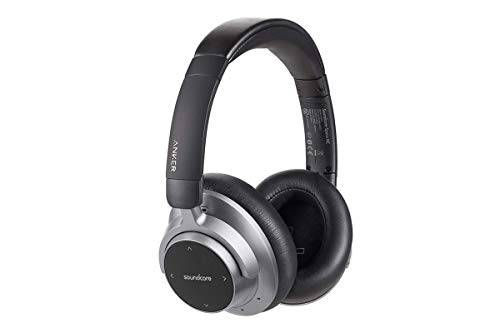
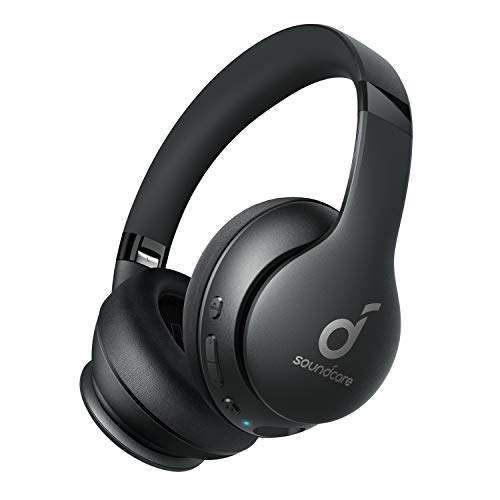
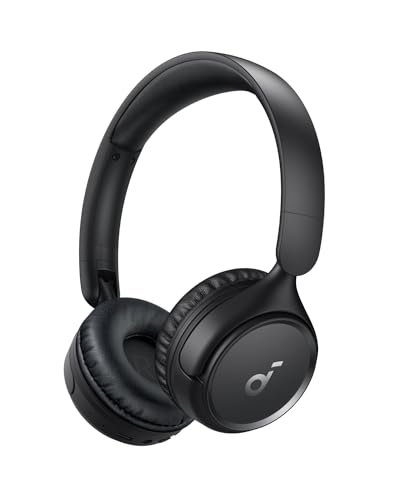
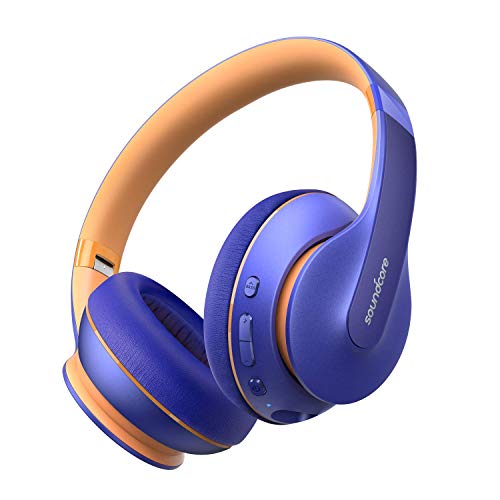
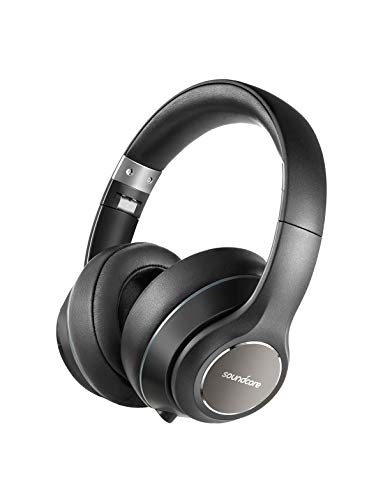
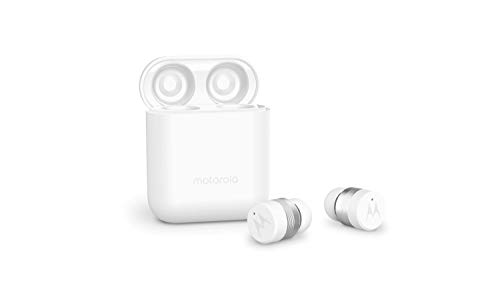
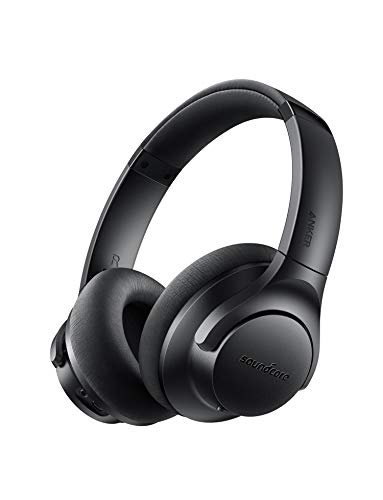
Are Anker headphones good?
Anker headphones have an average overall score of 8.1, ranking #3 among all headphone brands, and a user rating of 9.3, placing them at #2 based on user reviews.
Anker's biggest strength is practical consumer value. The Soundcore range packs wireless-plus-wired use, real ANC on many models, long battery life, and useful app support into prices that stay far below what premium travel-headphone brands usually charge.
The tradeoff is that Anker is not trying to be a luxury, studio, or audiophile headphone brand. The lineup is heavily over-ear, the materials and styling are more functional than premium, and the brand's identity is built around smart value choices rather than around flagship prestige.
Anker headphones make the most sense for buyers who want a shorter shortlist of affordable wireless over-ear models with strong everyday features and do not care about paying extra for premium brand aura or specialist enthusiast tuning.
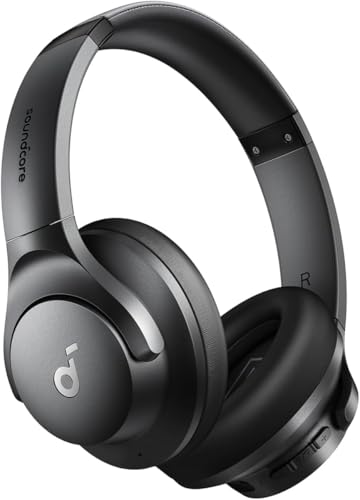
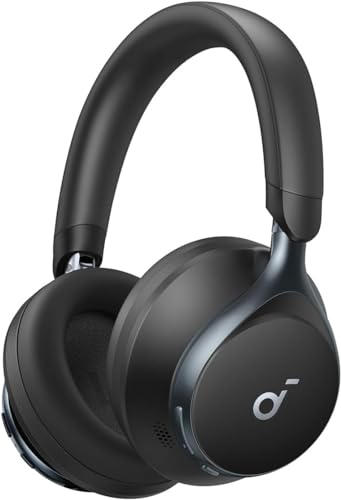
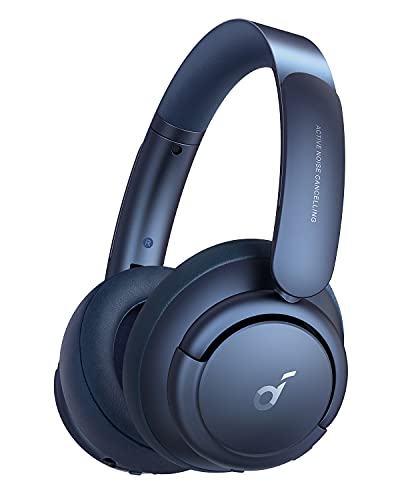
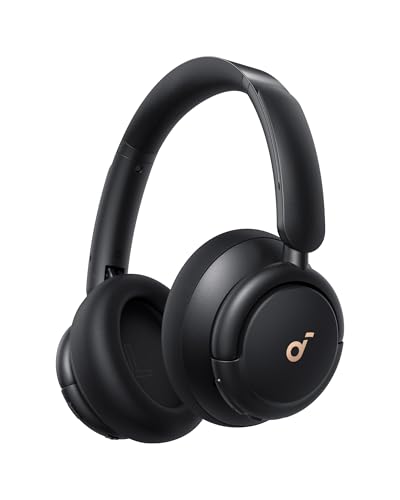
The best Anker headphones are as follows:
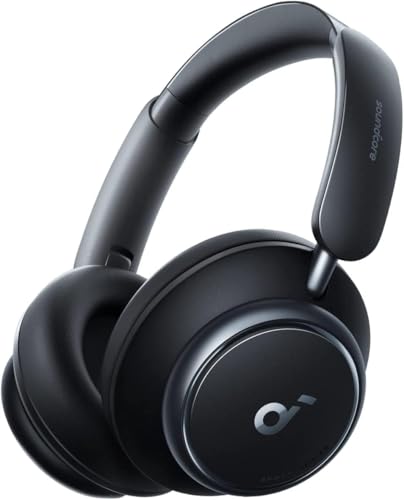
- Anker Soundcore Space One (Overall score: 8.62)
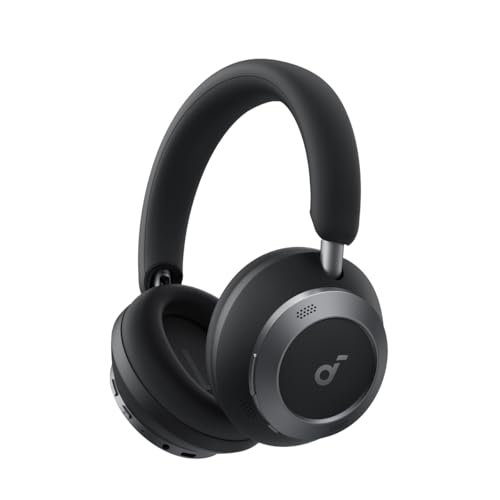
- Anker Soundcore Q20i (Overall score: 8.62)
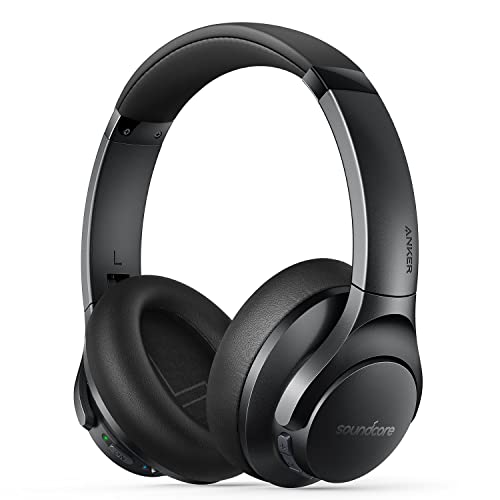
- Anker Soundcore Life Q35 (Overall score: 8.39)
The chart below ranks headphone brands by average overall score and shows where Anker stands.
[horizontal-chart-07651949361052647855064281883428571797840542035701]
What are the main advantages of Anker headphones?
The main advantages of Anker headphones are as follows.
- Strong wireless practicality: Under the broader Anker and Soundcore umbrella, the brand is very useful for daily Bluetooth listening, especially in earbuds and travel-oriented over-ears.
- Long battery life: Battery endurance is one of the clearest reasons to consider Anker audio products, particularly in everyday commuting and office use.
- Good app and EQ control: The stronger Soundcore-linked branches give buyers more room to tune sound and behavior than many similarly positioned wireless rivals.
- Useful ANC coverage: Noise cancellation is a meaningful advantage in the better models, which helps the brand stay relevant beyond simple low-cost wireless listening.
- Easy mobile-first ownership: USB-C charging, compact cases, and simple daily portability make the brand very practical for regular phone-centered use.
What are the main disadvantages of Anker headphones?
The main disadvantages of Anker headphones are as follows.
- Strong wireless practicality: Under the broader Anker and Soundcore umbrella, the brand is very useful for daily Bluetooth listening, especially in earbuds and travel-oriented over-ears.
- Long battery life: Battery endurance is one of the clearest reasons to consider Anker audio products, particularly in everyday commuting and office use.
- Good app and EQ control: The stronger Soundcore-linked branches give buyers more room to tune sound and behavior than many similarly positioned wireless rivals.
- Useful ANC coverage: Noise cancellation is a meaningful advantage in the better models, which helps the brand stay relevant beyond simple low-cost wireless listening.
- Easy mobile-first ownership: USB-C charging, compact cases, and simple daily portability make the brand very practical for regular phone-centered use.

Who makes Anker headphones?
Anker headphones are made by Anker through its Soundcore audio brand, the consumer electronics branch best known for value-focused wireless audio, charging accessories, and practical mainstream gadgets. That background explains why the headphone range is built around strong everyday features at lower prices rather than around heritage hi-fi branding.
Soundcore's role inside Anker is to offer modern consumer convenience without premium-brand pricing. The headphone lineup focuses on ANC, battery life, app support, and easy wireless use rather than on studio positioning or luxury industrial design.
In market terms, Anker sits in the value-premium consumer lane. Buyers usually come to the brand for strong everyday specs at accessible prices rather than for flagship prestige, specialist monitoring, or audiophile heritage.
What are the main Anker headphone series?
The main Anker headphone series are as follows.
- Soundcore Life: Life is one of Anker's main consumer lines and the clearest place to start for affordable wireless over-ear headphones with strong everyday value.
- Soundcore Q: Q-series models such as Q20, Q30, Q35, and Q45 are the core ANC branch, aimed at buyers who want the strongest feature-per-euro balance in the lineup.
- Soundcore Space: Space represents the more premium side of the current range, with models such as Space One and Space Q45 pushing harder on travel features and refinement.
- Soundcore H: H-series products cover simpler portable designs lower in the range and help round out the cheaper end of the catalog.
- Vortex and Soundbuds: These are smaller or older side branches that show up in the broader Anker range history but are less central than the Life, Q, and Space families.
How much do Anker headphones cost?
Anker headphones usually cost about 10-£170, with most realistic buying choices sitting around 30-£130. That middle zone is where the Soundcore Q, Life, and Space products deliver the strongest value, especially for buyers who want wireless over-ear headphones with ANC.
Price differences inside Anker mostly follow feature level rather than prestige. The cheapest products are very basic, mainstream ANC and battery-focused models occupy the center, and the highest-priced Soundcore products still stay well below the cost of many premium-brand rivals.
For most buyers, the best value sits in the center rather than at the extremes. The 30-£90 range already covers several serious everyday options, while the 130-£170 models make sense if you want better ANC, a stronger app experience, or the top Soundcore branches without leaving Anker's value-first strategy.
This chart visualizes Anker headphone prices.
[vertical-chart-03643003030592735057089772117189226333823976209922]
How do Anker headphones compare with Sony headphones?
Anker headphones usually compare with Sony headphones as the cheaper and more value-driven lineup, while Sony is the broader and more mature premium headphone brand. Anker is stronger if you want aggressive pricing, long battery life, and mainstream ANC without paying for Sony's larger flagship ladder.
Sony is usually the better choice if you want a deeper premium over-ear range, stronger top-end ANC reputation, broader wired-and-wireless variety, or more specialist branches. Anker usually makes more sense if budget matters most and you want a practical Soundcore over-ear model that covers the key everyday features at a much lower price.
What should you consider while choosing Anker headphones?
When you choose Anker headphones, you should focus on the following key aspects:
- Product family: Start with the series or branch that fits your use. Anker headphone buying is mainly a Soundcore decision, so the real split is between travel-oriented over-ears, compact true wireless models, and lighter sport or casual-use options. The family matters because the brand covers several everyday jobs rather than one fixed listening style.
- ANC quality: If you travel or work in noisy places, put ANC near the top of your list. ANC performance varies widely across the range, with stronger Soundcore branches giving useful commute isolation and simpler ones staying closer to everyday wireless listening. If travel noise cancelling is the reason for buying, target the higher branches directly.
- App control: Check the app side only if you will really use EQ and extra controls. EQ tools, HearID-style tuning, and transparency adjustments are major reasons to consider the brand over other practical wireless rivals. The software side can shape the final sound and daily behavior more than the raw driver spec suggests.
- Battery life: Check the real battery figure for your kind of use, not just the best-case claim. Long battery life is a consistent strength, with many over-ear models pushing into roughly 40-60 hour territory and many earbuds delivering 8-12 hours per charge before the case. As usual, stronger ANC can cut those figures significantly.
- Fit or call quality: Check both fit and call quality before you decide. Earbud seal, headband comfort, and microphone behavior are not equally strong across every branch, so buyers who need work-call reliability or long wear should treat those points as core filters. In practical use, fit and calls often decide the better Anker or Soundcore model more than one extra feature.