What is an AMD AM4 processor?
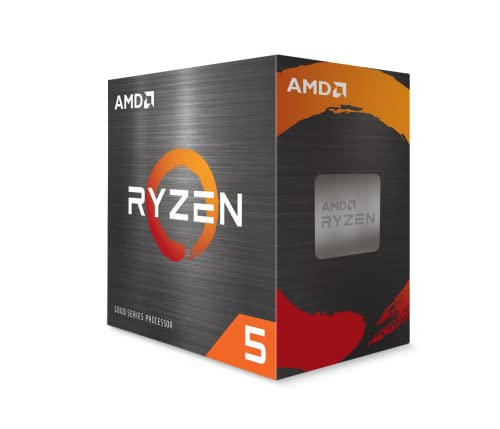
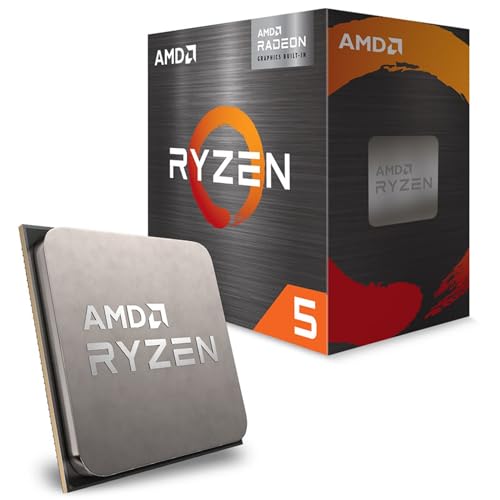
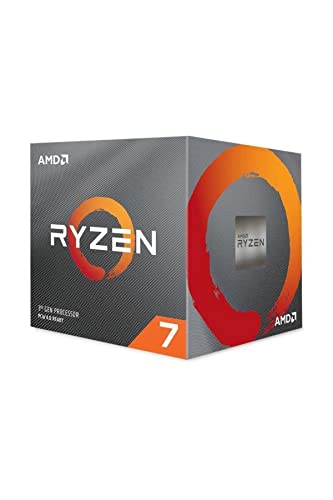
An AMD AM4 processor is a CPU designed for the AM4 socket, which AMD introduced in 2016 as the standard platform for its desktop processors. It supports a wide range of CPUs, from early Ryzen 1000 series based on the Zen architecture to newer Ryzen 5000 series based on Zen 3. This long lifespan makes AM4 one of AMD’s most widely used and flexible platforms.
Which CPUs are compatible with AM4?
CPUs compatible with AM4 include all AMD Ryzen processors from the first generation up to the 5000 series, as well as some Athlon chips that use the same socket.
The AM4 platform was launched in 2016 with Ryzen 1000 CPUs and supported multiple generations through firmware updates, so it covers Zen, Zen+, Zen 2, and Zen 3 architectures. This means processors such as the Ryzen 3, Ryzen 5, Ryzen 7, and Ryzen 9 families work with AM4, together with APUs that integrate Radeon graphics.
Compatibility depends on the motherboard chipset and BIOS support, since not every AM4 board supports all CPUs. For example, early 300-series motherboards may need a BIOS update to run newer Ryzen 3000 or 5000 processors, and some boards lack support for the latest models altogether. Boards with 400-series and 500-series chipsets handle a wider range of CPUs and APUs, so they cover nearly the full AM4 lineup.
The following chart compares the number of physical cores in AMD AM4 CPUs.
[vertical-chart-05167192036548879488015513014304877893931722134246]
What chipsets support AM4 processors?
AM4 processors are supported by a wide range of AMD chipsets that cover entry-level, mid-range, and high-end motherboards.
The earliest chipsets with AM4 support include the A320, B350, and X370, which launched with the first Ryzen CPUs. Later generations added the A520, B450, B550, X470, and X570 chipsets, each introducing better performance, compatibility with newer CPUs, and more advanced features.
The A-series chipsets (A320 and A520) target budget systems with fewer connectivity options and no overclocking support. The B-series chipsets (B350, B450, B550) focus on mainstream builds and strike a balance between price and performance, while the X-series (X370, X470, X570) support higher-end systems with more PCIe lanes, faster memory speeds, and overclocking.
Are AM4 processors still worth buying in 2025?
AMD AM4 CPUs cost between £60 and £300 in 2025, depending on the model and performance level.
Entry-level processors like the Ryzen 3 series remain at the lower end of the range, while high-end Ryzen 7 and Ryzen 9 models stay closer to the top of the scale. Prices have dropped compared to their launch period, since the newer AM5 platform has become the primary focus for AMD.
The best AMD AM4 CPUs are as follows.
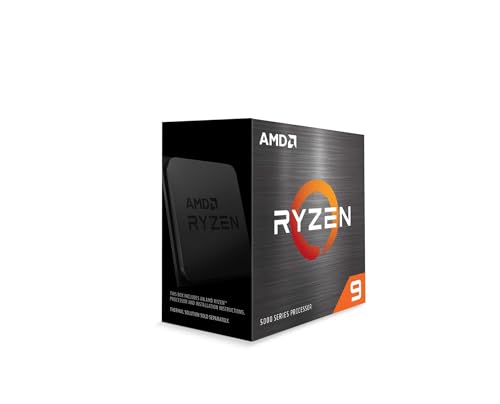
- AMD Ryzen 9 5900X (Overall score: 8.46 points)
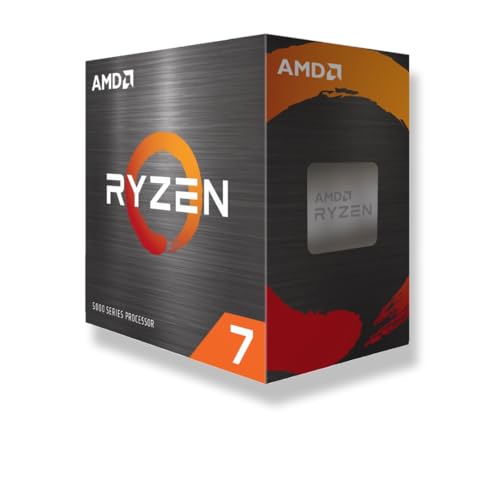
- AMD Ryzen 7 5800XT (Overall score: 8.24 points)
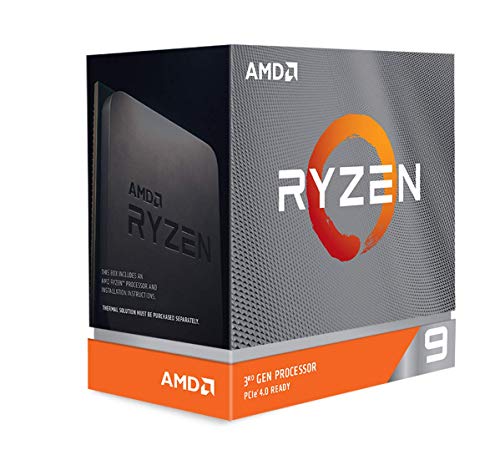
- AMD Ryzen 9 3950X (Overall score: 8.17 points)
How much do AMD AM4 CPUs cost?
AMD AM4 CPUs cost between £60 and £300 in 2025, depending on the model and performance level.
Entry-level processors like the Ryzen 3 series remain at the lower end of the range, while high-end Ryzen 7 and Ryzen 9 models stay closer to the top of the scale. Prices have dropped compared to their launch period, since the newer AM5 platform has become the primary focus for AMD.
The following chart shows the price distribution of AMD AM4 CPUs.
[vertical-chart-00806058800479420623072559139184255283353828428624]
What should you consider while choosing the best AMD AM4 CPU?
When choosing the best AMD AM4 CPU, you should consider the following key factors:
- Core count and threading capability: The number of cores and threads directly impacts multitasking performance and workload handling capacity. Ryzen 5 processors like the 5600X feature 6 cores and 12 threads, which handle basic gaming and productivity tasks efficiently. Ryzen 7 processors such as the 5800X deliver 8 cores and 16 threads for demanding applications like video editing, while Ryzen 9 processors like the 5900X provide 12 cores and 24 threads for heavy multitasking and content creation workloads.
- Clock speed and boost frequency: Base clock speed and maximum boost frequency determine single-threaded performance and responsiveness in gaming applications. The 5000 series processors reach higher clock speeds than previous generations, with the 5900X achieving higher base clocks compared to other AM4 processors. Higher clock speeds benefit gaming performance directly, while boost capabilities handle peak workloads during intensive operations.
- Cache size and memory support: Cache size affects data access speed and overall system responsiveness, while memory support determines RAM compatibility and bandwidth. The 5800X3D features expanded L3 cache for gaming optimization compared to standard 5000 series processors. All AM4 processors support DDR4 memory with dual-channel configurations that provide increased bandwidth for memory-intensive tasks.
- Thermal design power and cooling requirements: TDP indicates heat generation and cooling solution requirements for stable operation. Lower TDP processors consume less power and generate less heat, while higher TDP processors deliver better performance but need advanced cooling systems. The 5000 series processors maintain TDP ratings up to 105W, which allows compatibility with standard cooling solutions and motherboard power delivery systems.