Which brands make the best drones for kids?
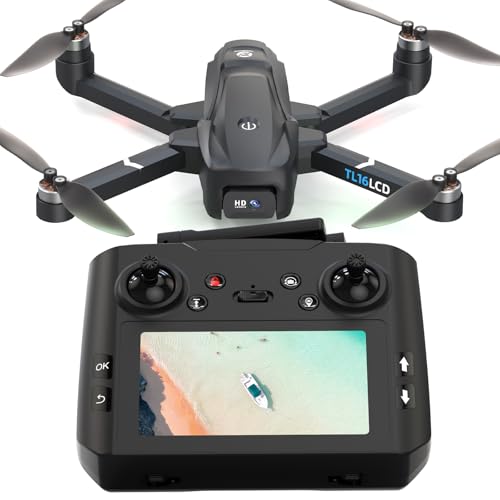
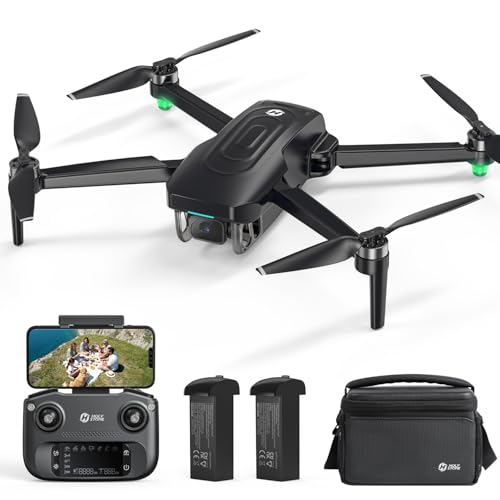
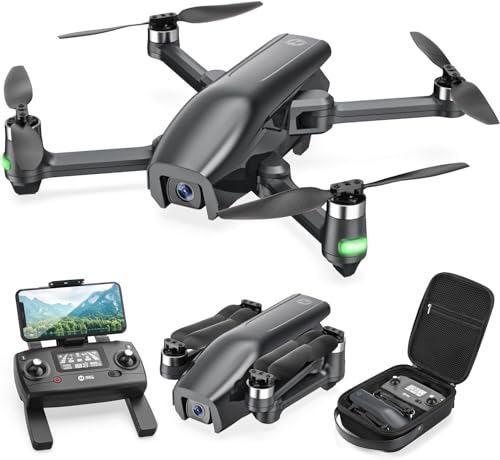
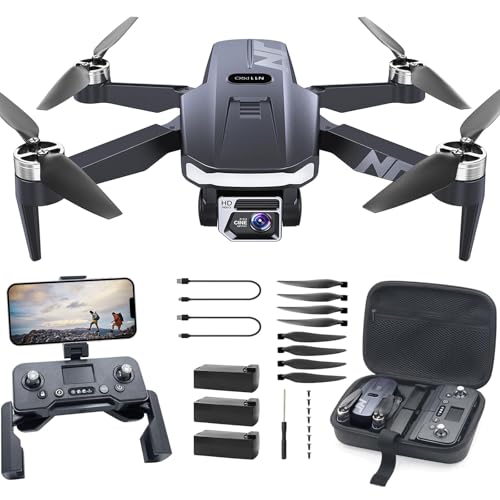
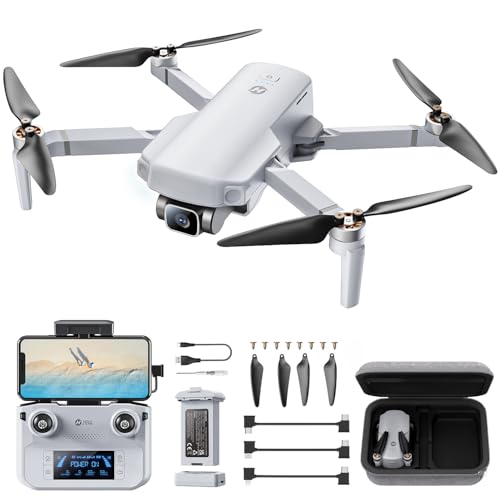
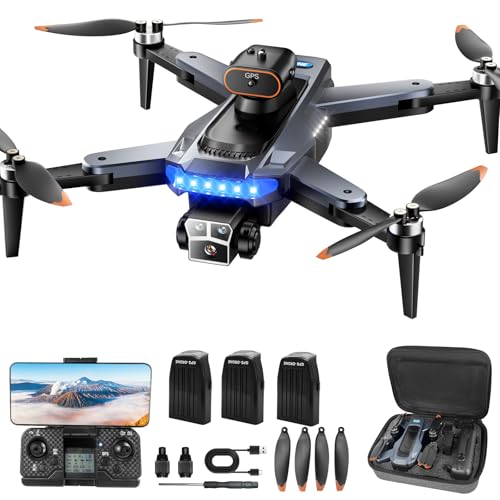
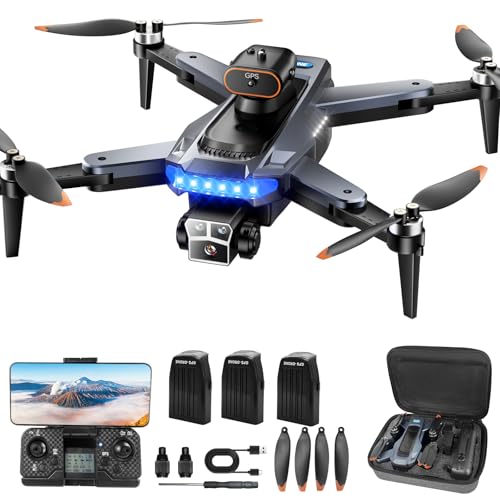
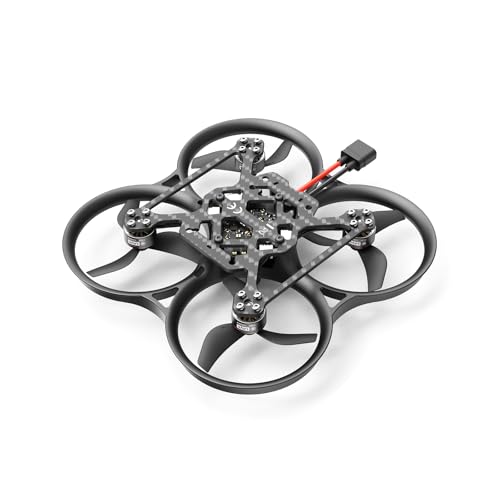
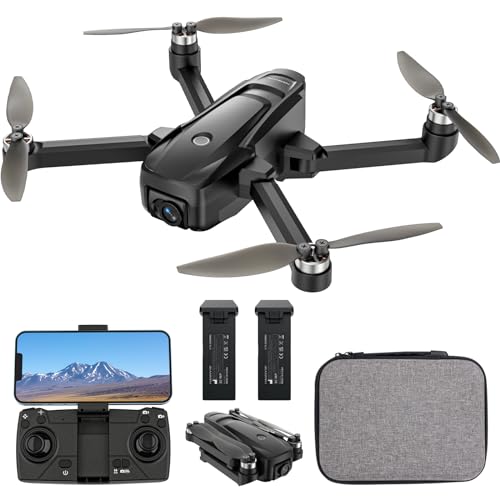
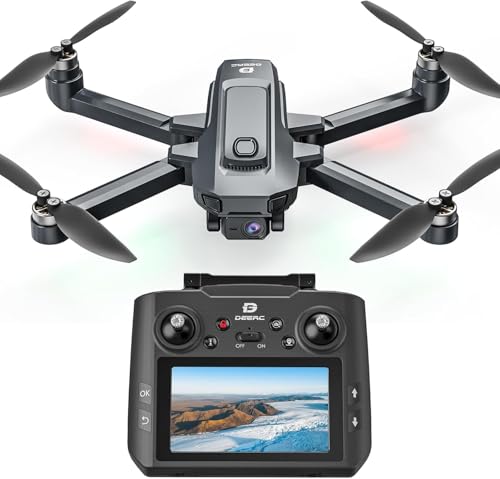
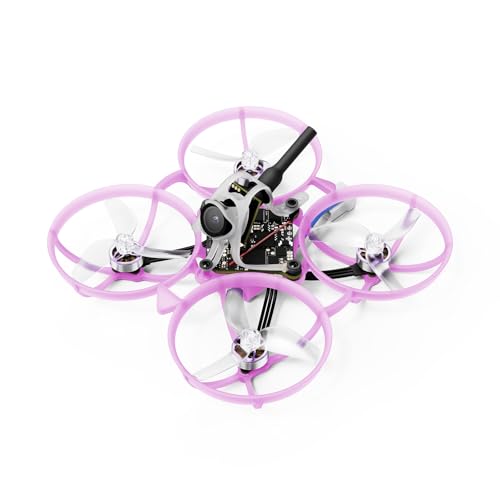
The best drone brands for kids are as follows:
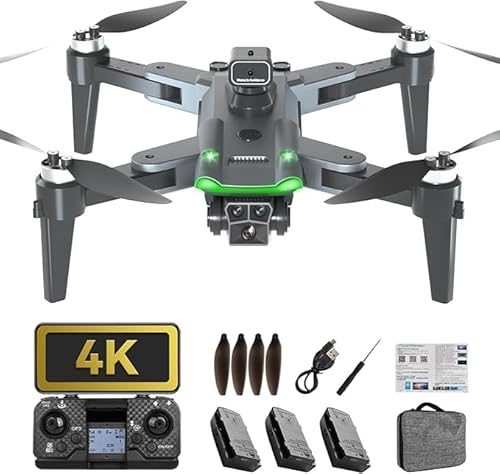
- HYTOBP (Average overall score: 6.1)
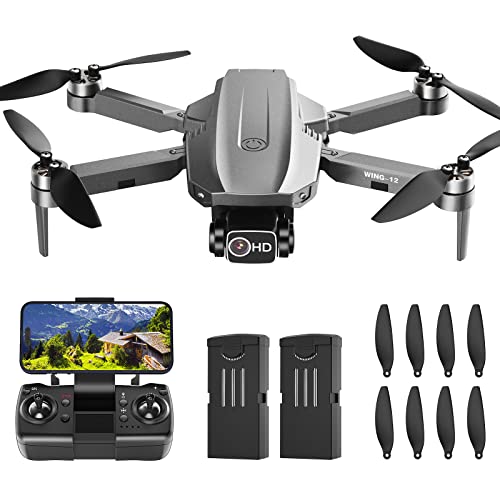
- Wipkviey (Average overall score: 5.7)
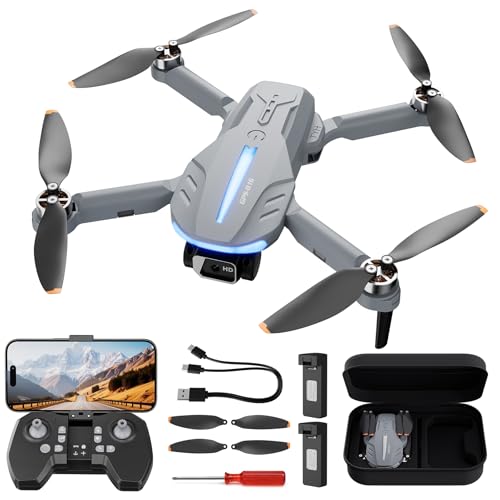
- DEERC (Average overall score: 5.3)
The chart below ranks drone brands for kids by average overall score.
[horizontal-chart-06462036856531536318128455109128716778500692208439]
How do drones for kids differ from standard drones?
Drones for kids differ from standard drones mainly in weight, price, and control complexity.
Drones for kids are usually much lighter and cheaper, often up to 250 g and up to £170, while standard drones cover a far wider range in both mass and price. This makes kids models easier to handle and less costly to replace, but it also limits advanced hardware options.
Flight and range expectations are also lower on average. Many kids-focused models support short-to-mid distance flying and simpler camera setups, while standard drones more often include stronger range systems, deeper camera pipelines, and broader safety automation.
For parents, the practical difference is that kids drones prioritize supervised learning and ease of use, whereas standard drones are more often built for demanding filming or longer-range mission profiles.
Are drones for kids safe to use?
Drones for kids are generally safe to use when flights are supervised and the model has core stability and recovery features.
Safety in this segment depends most on controlled speed, reliable link behavior, and clear operating space. Around six in ten models include Return to Home, which helps recovery if orientation is lost, while GPS availability is lower and should be checked before purchase.
Main risks come from flying near people, trees, and hard surfaces without preparation. Lightweight drones can still cause injury around faces and eyes, so takeoff distance, propeller guards, and strict no-fly zones around crowds are important.
For kids, safety improves significantly when parents set flight limits, use open areas, and keep session duration short enough to avoid rushed landings on low battery.
What flight features matter most in drones for kids?
The flight features that matter most in drones for kids are the following checks:
- Stability: Prioritize stable hover behavior and smooth control response at low speed. Predictable handling is the foundation for safer beginner sessions.
- Return to Home: Look for Return to Home support before comparing secondary extras. This feature provides a recovery path when orientation is lost.
- GPS: GPS helps position hold and cleaner route correction, but it is not universal in this scope. Models with GPS are usually easier for first outdoor flights.
- Speed control: Choose models with beginner speed levels and easy mode switching. Lower speed tiers reduce overcorrection and accidental impacts.
- Battery warning: Reliable low-battery alerts and controlled landing behavior are essential for kids flights. These reduce rushed manual landings at the end of a session.
- Link reliability: Transmission quality affects both control confidence and safety margin. Stable short-range links are often better for kids than headline long-range claims.
How good are cameras on drones for kids?
Cameras on drones for kids are usually suitable for basic daylight videos and learning framing, not for advanced cinematic quality.

Most kids models in this scope are 1080p class, with a smaller group offering 4K. Higher resolution can improve detail, but stabilization and sensor quality matter more than headline numbers in real use.
Camera quality in this segment depends mainly on the following factors:
- Stabilization level: Many models rely on basic electronic correction, so quick turns and wind can still add shake. Smooth control inputs improve usable footage.
- Light conditions: Daylight scenes are usually acceptable, while dusk and indoor shots lose clarity faster. Keeping flights in good light gives better results for kids.
- Compression behavior: Lower-cost video pipelines can blur detail in fast movement or textured scenes. Slower pans and shorter clips help maintain cleaner output.
What should parents check before buying a drone for kids?
Parents should check safety controls, handling simplicity, and realistic flight limits before buying a drone for kids.
- Safety basics: Confirm propeller protection and stable low-speed control before looking at extra features. These elements matter more for injury prevention than headline camera specs.
- Weight: Keep the model in a lightweight class up to about 250 g for easier handling and transport. Lighter drones are usually less intimidating for first-time users.
- Flight time: Look for roughly 15-30 minutes of stated flight time for practical supervised sessions. Shorter endurance often means rushed landings and less learning value per charge.
- GPS/RTH: Prioritize Return to Home, and add GPS when possible for better position hold outdoors. Together they reduce loss-of-control stress for both kids and parents.
- Range limits: Choose a model with stable short-to-mid range behavior rather than chasing maximum distance claims. Predictable control in nearby open space is the safer learning path.
- Camera expectations: Treat the camera as a learning tool, not a cinematic platform, in this class. 1080p output is usually enough for kids practice clips, with 4K as a bonus when stabilization is acceptable.
- Budget: Keep spending in realistic bands, with about 50-£90 for basic practice and about 100-£170 for better safety features and stronger all-round control.