Are Polaroid action cameras good?
Polaroid action cameras are adequate for simple daytime recording and casual fixed-mount use. Their compact design and uncomplicated controls are the main advantages.
They are not strong choices for buyers who need stabilized 4K, slow motion, high-bitrate video, external microphones, replaceable batteries, or a current phone-centered editing ecosystem.
Who should consider buying Polaroid action cameras?
The types of users who should consider Polaroid action cameras are as follows:
- Casual users: Polaroid models suit short daytime clips when simple operation matters more than advanced settings or stabilization.
- Travelers and families: The compact Cube is easy to carry for holidays, walks, family activities, and quick fixed-angle recordings.
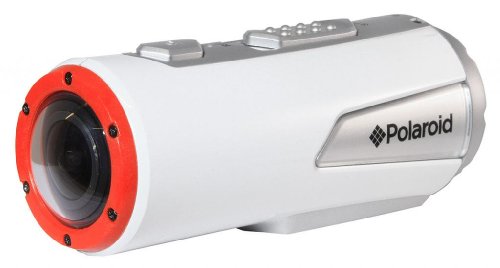
- Cyclists and vehicle users: The XS series offers a wide view and weather-resistant bullet design for basic helmet, handlebar, or vehicle footage.
- First-time buyers: A Polaroid camera can provide a low-cost introduction to action-camera mounting and wide-angle filming.
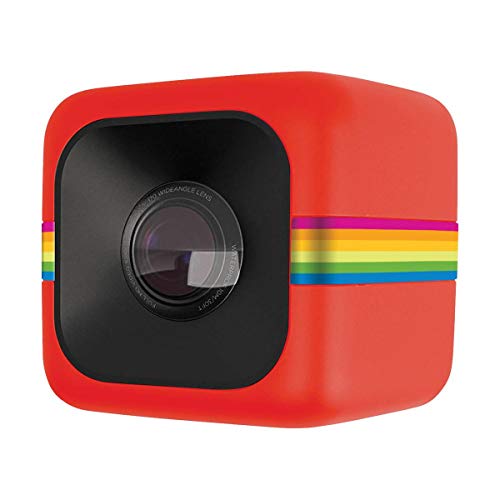
- Minimalist users: The Cube series suits people who prefer one-button recording and a very small body instead of screens and extensive menus.
How do Polaroid action cameras differ from other action cameras?
Polaroid action cameras differ from most current competitors through their emphasis on physical simplicity, distinctive compact designs, and basic 1080p recording rather than feature-rich 4K systems.
The Cube is unusually small and uses a square body with a built-in magnetic base, making it easy to place on compatible metal surfaces or compact mounts. Its one-button control is fast to understand, but the lack of a screen makes framing and settings less convenient.
The XS series uses a streamlined bullet shape with a much wider viewing angle and stronger native waterproofing. It fits cycling, motorsport, and water-adjacent activities more naturally than the Cube, although it still lacks electronic stabilization and modern high-frame-rate modes.
Both lines are simpler than current GoPro, DJI, or AKASO cameras. That simplicity reduces setup effort and price, but it also means fewer exposure controls, limited audio options, fixed batteries, lower bitrates, and less flexible editing.
What are the main series of Polaroid action cameras?
The main series of Polaroid action cameras are as follows:
- Cube series: The Cube line uses a tiny square body, a built-in magnetic base, and one-button recording, with the standard Cube focused on basic 1080p video and the Cube+ adding phone connectivity in markets where it is available. Its small size suits travel, family footage, discreet fixed mounting, and quick clips where a screen is unnecessary. The trade-offs are a fixed battery, limited controls, modest water resistance, no advanced stabilization, and a narrower view than many traditional action cameras.
- XS series: The XS family uses a horizontal bullet-shaped body designed for helmets, handlebars, vehicles, and water activities, with models such as the XS100 emphasizing a very wide lens and stronger waterproofing. It provides longer recording time and a more activity-oriented shape than the Cube while retaining simple switch-based operation. The line remains limited to older 1080p recording, lacks electronic stabilization and a built-in display, and offers less software and accessory flexibility than current cameras.
How much do Polaroid action cameras cost?
New Polaroid action cameras generally cost about £70-£170, depending on whether you choose the compact Cube or the more activity-focused XS series.
Cube models occupy the lower part of the range at roughly £70-£100. They prioritize small size, one-button recording, and the magnetic base, but provide basic 1080p modes, a fixed battery, and limited controls.
XS models can reach around £130-£170. The higher price adds a wider lens, longer runtime, stronger waterproofing, and a body better suited to helmet or vehicle mounts; include the cost of a compatible memory card and any activity-specific mounts when comparing the complete new package.
What should you consider while choosing Polaroid action cameras?
The main points to consider while choosing Polaroid action cameras are as follows:
- Choose between Cube and XS designs: Select Cube for minimum size, magnetic placement, and one-button clips; choose XS for a wider view, longer sessions, stronger waterproofing, and more conventional activity mounting.
- Accept the recording ceiling: Confirm maximum resolution, frame rate, bitrate, and clip format. Polaroid models focus on 1080p and do not provide the 4K detail or slow-motion flexibility of current cameras.
- Account for missing stabilization: Neither main line offers modern electronic stabilization or horizon lock. Secure mounting and good light are important because vibration and walking movement can remain visible.
- Check lens coverage: Compare the Cube's moderate wide-angle view with the much wider XS perspective. A wider lens captures more of the activity but introduces more edge distortion.
- Compare fixed-battery runtime: Review rated recording time, charging method, USB power options, and recharge time. Fixed batteries cannot be exchanged during long sessions.
- Verify waterproofing by exact model: Check native depth, whether a separate case is required, control access underwater, and whether water protection changes when a port is open.
- Plan framing without a screen: Confirm whether the model supports phone preview or relies on approximate aiming. Screenless cameras require careful mount positioning before the activity begins.
- Check storage compatibility: Verify supported microSD capacity, speed class, formatting method, and expected file size. Basic 1080p video needs less storage than 4K but still requires a reliable card.
- Confirm mount compatibility: Check magnetic-base limitations, tripod adapters, helmet or handlebar hardware, adhesive mounts, tether points, and whether the camera angle can be adjusted after installation.
- Compare the complete new-system value: Add the price of the card, mounts, waterproof accessories, and charger. A newer budget camera may offer better value when stabilization, touchscreen control, or 4K recording is required.