Are Intel Core i3 processors good?
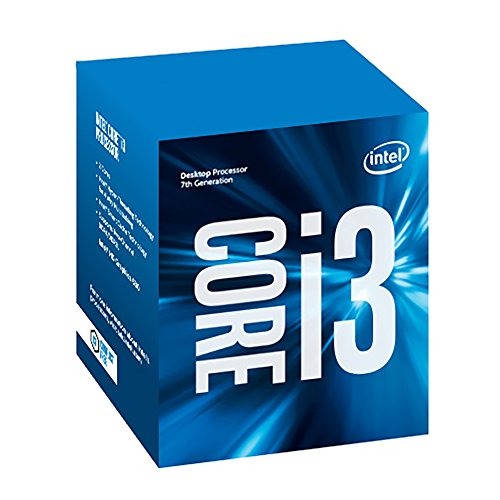
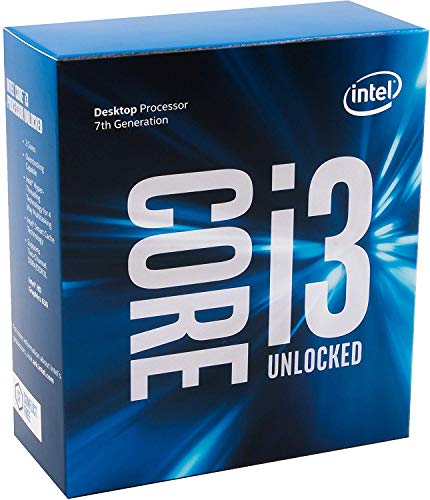
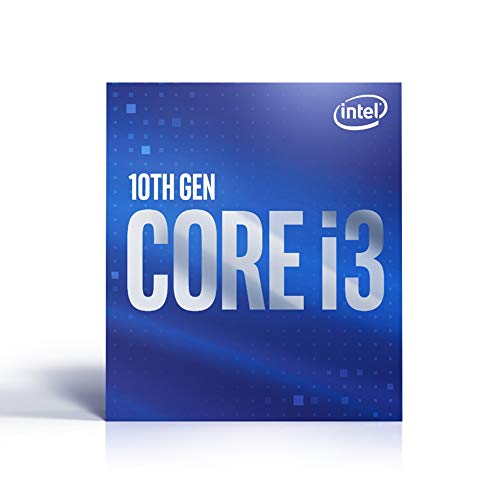
Intel Core i3 processors are good entry-level CPUs that deliver solid performance for basic computing tasks and light productivity work.
The i3 series features dual-core or quad-core designs with hyperthreading technology, which creates virtual cores to handle multiple processes simultaneously and improves multitasking capabilities. These processors typically operate at base frequencies between 2.1-4.0 GHz and include integrated Intel UHD or Iris Xe graphics, which handle everyday graphics needs without requiring a separate graphics card.
Modern i3 processors excel at web browsing, document editing, media streaming, and casual gaming at 1080p resolution with medium settings. The 12th and 13th generation i3 chips use the newer architecture that significantly boosts performance compared to previous generations, with support for DDR4 and DDR5 memory and PCIe 4.0 connectivity.
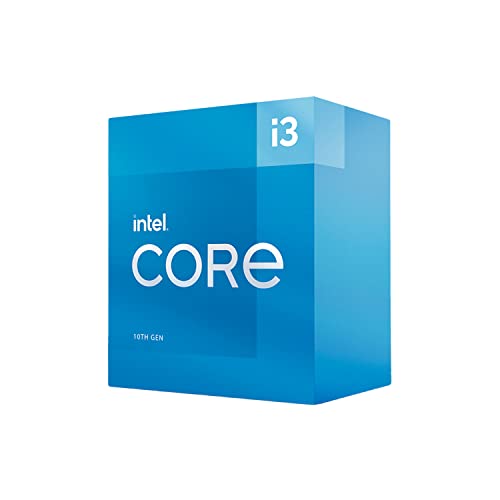
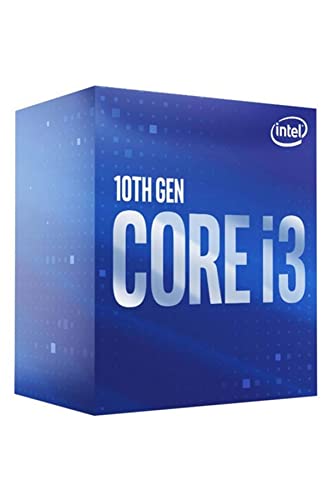
The best Intel Core i3 CPUs are as follows.
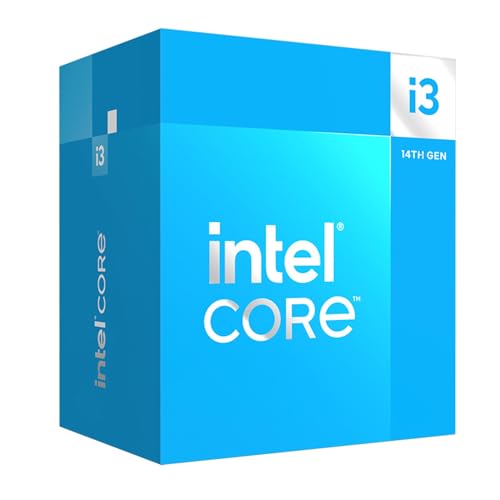
- Intel Core i3 14100 (Overall score: 7.47 points)
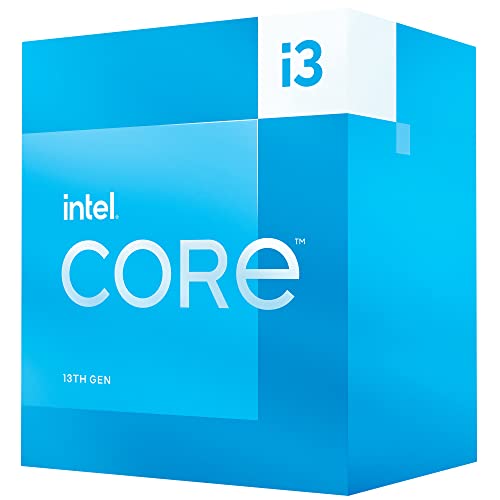
- Intel Core i3 13100 (Overall score: 7.11 points)
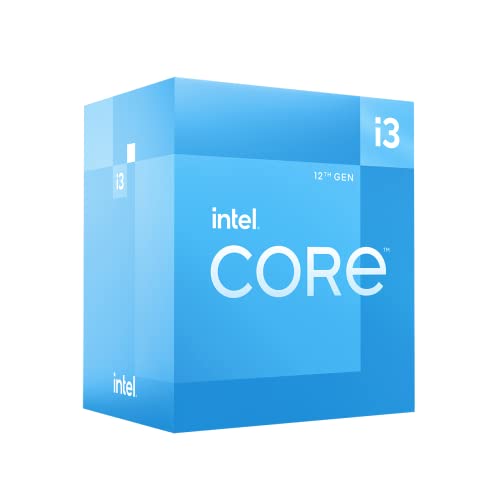
- Intel Core i3 12100 (Overall score: 6.81 points)
How do Intel Core i3 CPUs compare to Core i5 and Core i7?
Intel Core i3 chips usually target everyday tasks such as web browsing, office work, or light multitasking, while Core i5 CPUs expand into mid-range performance that suits gaming and heavier workloads. Core i7 processors go further with higher clock speeds, more cores, and larger cache memory, which helps in demanding applications like video editing, 3D rendering, and high-end gaming.
Core i3 CPUs often have 2 to 4 cores with Hyper-Threading on many models, so they handle basic multitasking but struggle with larger parallel workloads. Core i5 CPUs usually include 4 to 6 cores with higher turbo boost speeds, which give them stronger single-core and multi-core performance. Core i7 CPUs reach 6 to 8 cores or more, with higher base and boost frequencies and more advanced thread management. This makes Core i7 models faster in both gaming (where single-core speed matters) and productivity tasks (where multiple cores work together).
Cache sizes also differ across the lineup, as Core i3 CPUs tend to include less L3 cache than i5 or i7, which reduces efficiency when handling larger datasets. Core i5 processors have bigger caches that improve response in gaming and everyday multitasking, while Core i7 models use even larger caches that benefit professional workloads.
In short, i3 CPUs suit budget and light use, i5 CPUs balance price and performance for most users, and i7 CPUs target power users who need higher speed and capacity.
The following chart compares the number of physical cores in Intel Core i3 CPUs.
[vertical-chart-07309628718947292823094536126537207152791553515724]
How much do Intel Core i3 processors cost?
Intel Core i3 processors cost between £85 and £170 in most retail channels, depending on the generation and specific model.
Newer 12th and 13th generation i3 chips usually stay closer to £130 to £170, while older 10th or 11th generation models can fall closer to £85 to £115. Entry-level desktop versions tend to be slightly cheaper than mobile or high-clocked variants.
What should you consider while choosing the best Intel Core i3 CPU?
When choosing the best Intel Core i3 processor, you should consider the following factors.
- Generation architecture: The generation determines the overall performance and efficiency of the processor. Intel's 12th generation i3 processors use a hybrid architecture that combines high-performance and high-efficiency cores, which delivers significantly better performance than older generations. The 11th generation i3 processors feature improved graphics capabilities with Intel UHD Graphics Xe G4, while 10th generation models use the older UHD Graphics 630. The 8th generation i3 processors use a traditional quad-core design without hyperthreading technology.
- Core and thread count: Modern Intel Core i3 processors typically feature 4 cores with 8 threads through hyperthreading technology. The 12th generation i3-12100 has four high-efficiency cores and four high-performance cores due to its hybrid architecture. Desktop versions generally have more cores than mobile versions, with mobile 11th generation i3-1115G4 having only 2 cores and 4 threads compared to desktop models. The additional threads help with multitasking and applications that can utilize multiple processing threads simultaneously.
- Clock speeds: Base clock speeds for Core i3 processors range from 3.6 GHz to 4.2 GHz, with boost clock speeds reaching up to 4.7 GHz depending on the specific model. The 12th generation i3-12100 has a base clock of 3.1 GHz, while the 8th generation i3-8100 operates at 3.6 GHz base frequency. Higher clock speeds directly impact single-threaded performance and responsiveness in everyday computing tasks. Mobile processors typically have lower base clocks but similar boost frequencies to their desktop counterparts.
- Integrated graphics performance: Different generations feature varying integrated graphics capabilities that affect display quality and light gaming performance. The 11th generation processors include Intel UHD Graphics Xe G4, which provides significantly better graphics performance than the UHD Graphics 630 found in 10th generation models. The 12th generation features Intel UHD Graphics 750, while older 8th generation processors use UHD Graphics 630. The integrated graphics capability determines whether you need a dedicated graphics card for basic gaming or video editing tasks.
- Cache memory configuration: Cache memory affects how quickly the processor can access frequently used data and instructions. Intel Core i3 processors typically have 6MB of shared L3 cache, though this varies between generations. The 12th generation models feature more advanced cache configurations with different amounts of L1 and L2 cache per core compared to older generations. Larger cache sizes generally improve performance in applications that work with large datasets or require quick access to stored information.