
Are Kindle eReaders good?
Kindle eReaders have an average overall score of 6.3, ranking #3 among all eReader brands, and a user rating of 9.4, placing them at #1 based on user reviews.
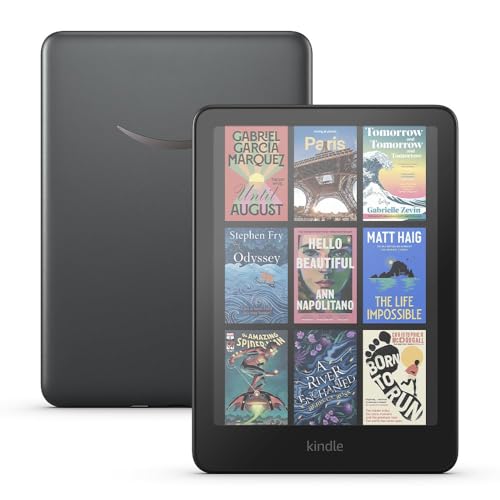
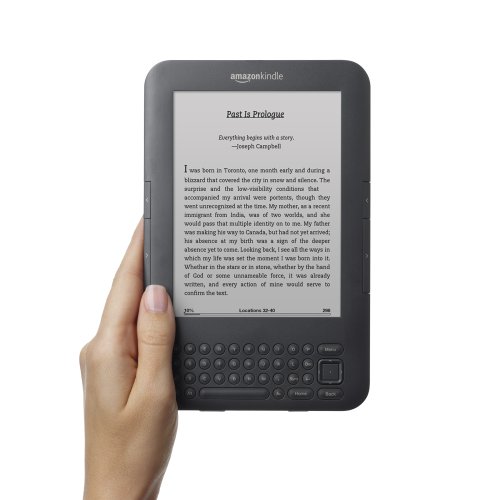
Kindle models are usually strongest in reading simplicity, store integration, battery life, and software polish. The lineup covers compact everyday readers, waterproof Paperwhite models, and larger premium devices, and Amazon's ebook store remains one of the biggest and easiest ecosystems for buying books directly on the device.
The main trade-off is ecosystem flexibility. Kindle works best when you are comfortable staying close to Amazon's store, file workflow, and services, so it is usually the right choice for readers who want a smooth mainstream experience rather than the most open-format platform.
The best currently available Kindle eReaders (with the highest overall score) are as follows:
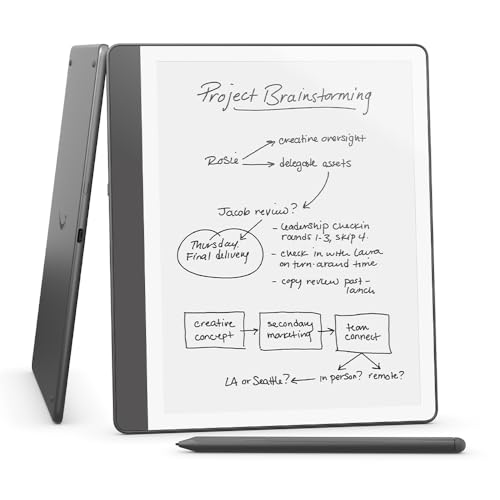
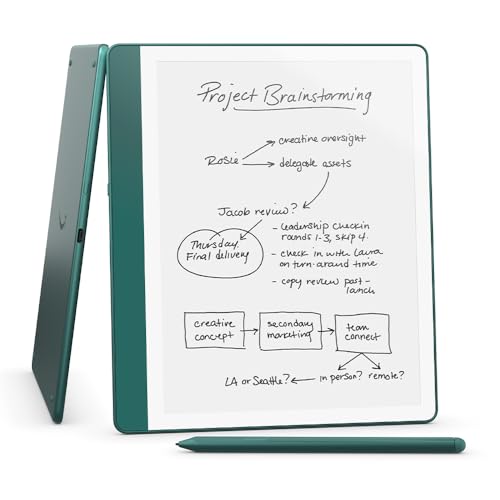
- Amazon Kindle Scribe (Overall score: 7.84)
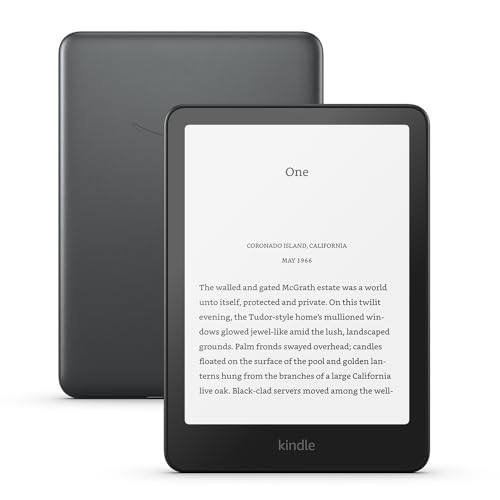
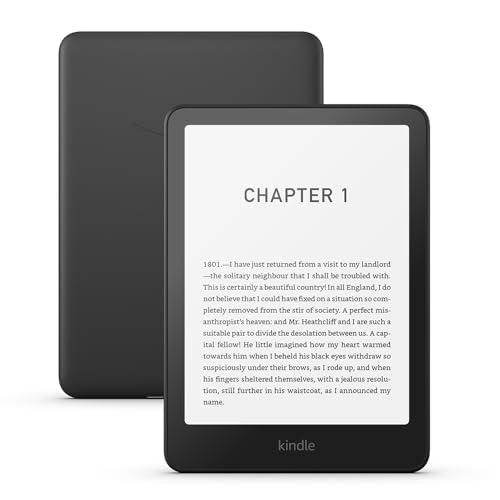
- Amazon Kindle Paperwhite Signature Edition 2024 (Overall score: 7.45)
- Amazon Kindle Paperwhite 2024 (Overall score: 7.24)
The following chart ranks eReader brands based on their overall scores.
[horizontal-chart-03443204806401273189021830265755694920453923569808]
What are the main advantages of Kindle eReaders?
The main advantages of Kindle eReaders are as follows.
- Content selection: Kindle gives you direct access to Amazon's very large ebook catalog, including a strong self-publishing pipeline through Kindle Direct Publishing. This usually means broader title availability and easier purchasing than on smaller reading ecosystems.
- Clear model ladder: The range spans basic Kindle, Paperwhite, and larger note-taking models, so the lineup is easy to read from entry level to premium. That makes it easier to choose between simple reading, waterproofing, and larger-screen note use without jumping across unrelated product families.
- Battery life: Kindle models are still among the stronger mainstream options for long battery life. Many can run for weeks on a charge under normal reading conditions, which keeps them more convenient than tablets or app-heavy E Ink devices.
- Low weight: Even larger Kindle models stay relatively light compared with tablets and many large-format note readers. This helps with long handheld reading sessions and makes the smaller models easy to carry every day.
- Reading software: Kindle adds mature features such as X-Ray, Word Wise, vocabulary tools, adjustable typography, and reliable sync. Those software details matter because they improve daily reading comfort more than raw specs alone.
- Audible and sync support: Many Kindle models support Bluetooth audio for Audible and keep reading progress synced across Kindle, phone, and desktop apps. That is useful if you switch often between ebook and audiobook reading inside one ecosystem.
What are the main disadvantages of Kindle eReaders?
The main disadvantages of Kindle eReaders are as follows.
- Format limits: Kindle works best with Amazon's own formats and handles EPUB through conversion rather than native openness. That makes the platform less convenient if you rely heavily on open EPUB workflows or mixed third-party stores.
- Ecosystem lock-in: The tighter Amazon integration is useful when you stay inside Kindle, but it also makes switching away less flexible later. Buyers who borrow widely, sideload often, or mix several stores may find Kobo or Android-based readers easier to live with.
- Less openness: Kindle devices stay focused on reading rather than broad app or productivity flexibility. That keeps the interface simple, but it also means less experimentation, less app choice, and fewer advanced document workflows than Android E Ink devices.
- Hardware ceiling on simpler models: Basic Kindle models are excellent for reading, but they are not built for heavy multitasking, advanced stylus work, or large PDF workflows. If you need those tasks, a larger note-oriented reader is usually a better fit.
- Premium pricing at the top: The stronger Paperwhite Signature, Colorsoft, and Scribe-class devices move well above the entry Kindle tier. At that point, the buyer is paying not only for reading quality but also for Amazon ecosystem fit and premium finishing.

Who makes Kindle eReaders?
Kindle eReaders are made by Amazon, the American technology company founded by Jeff Bezos in 1994 and headquartered in Seattle, Washington.
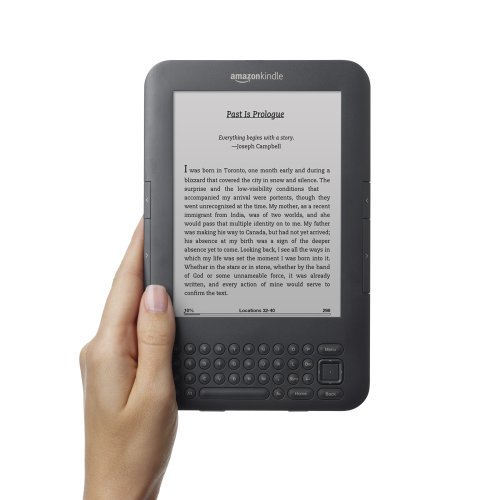
Amazon launched the first Kindle in 2007, and since then it has built a wide range of eReaders including the Kindle, Kindle Paperwhite, Kindle Oasis, and Kindle Scribe. These devices are produced under Amazon’s Devices & Services division, which also develops Echo smart speakers, Fire tablets, and Fire TV products.
Amazon designs the Kindle line in the United States, but the actual manufacturing takes place in Asia, mainly in China and Taiwan, through partnerships with companies such as Foxconn and E Ink Holdings. E Ink supplies the electronic paper display technology used in all Kindle devices.
How popular are Kindle eReaders?
Kindle e-readers are the most popular worldwide, with Amazon shipping an estimated 20–22 million units in 2024 and holding a global market share of around 40 %, which kept Kindle in first place. The Kindle Paperwhite and Kindle Oasis led sales in the premium segment, while the standard Kindle and Kindle Kids Edition supported strong demand in the entry and mid-range categories.
Kindle performed strongest in North America and Europe, where its share often exceeded 50 %, while in Asia it stayed lower but still significant.
What are the main Kindle eReader series?
The main Kindle eReader series are as follows.
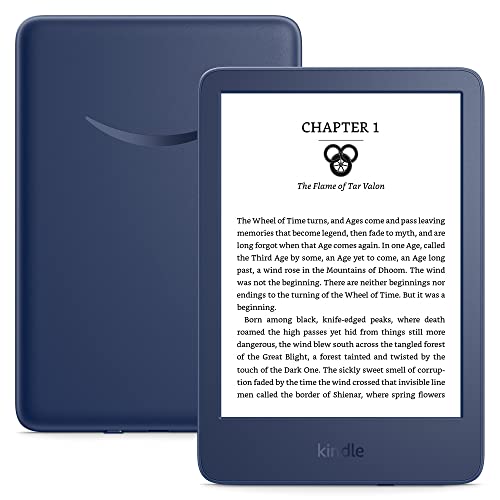
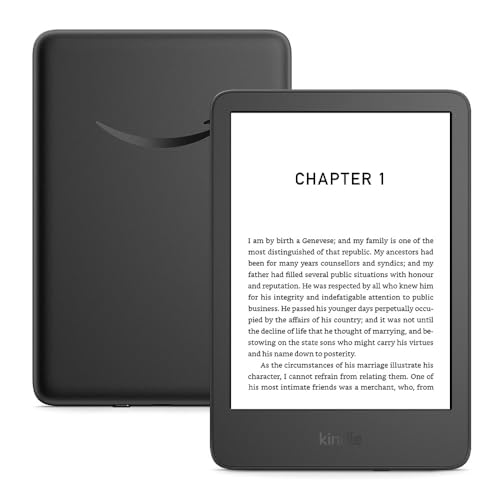
- Kindle: This is Amazon's entry-level line for straightforward ebook reading. It stays focused on compact size, lower pricing, and the core Kindle software experience rather than premium extras.
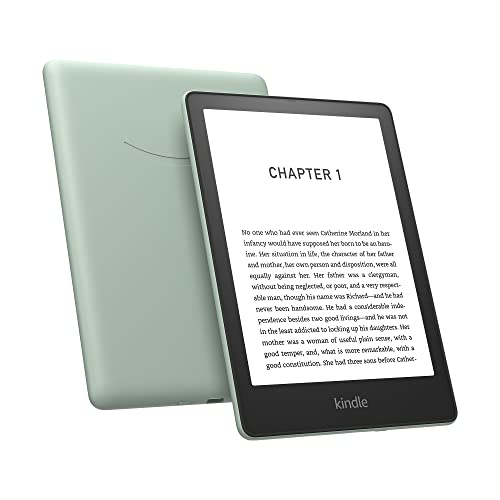
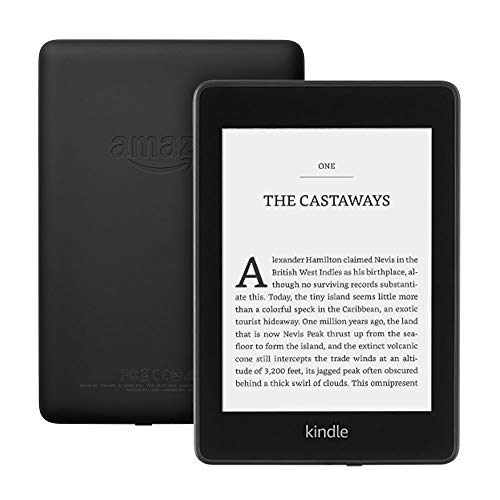
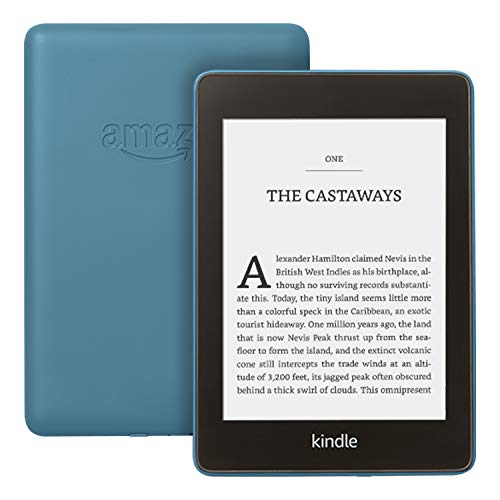
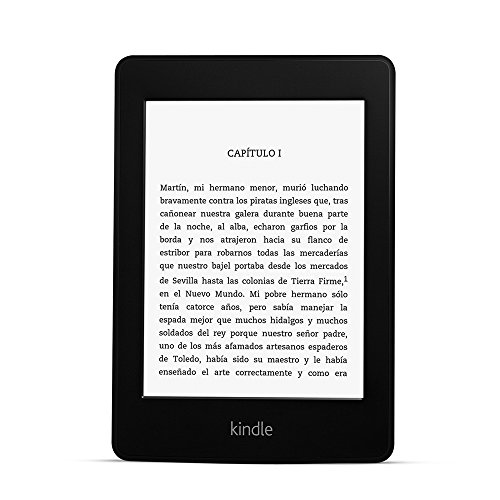
- Kindle Paperwhite: Paperwhite is the mainstream step-up line and the most balanced Kindle series for many buyers. It adds sharper displays, stronger front lighting, waterproofing on modern models, and a more premium reading experience without moving into the size and price of the Scribe.
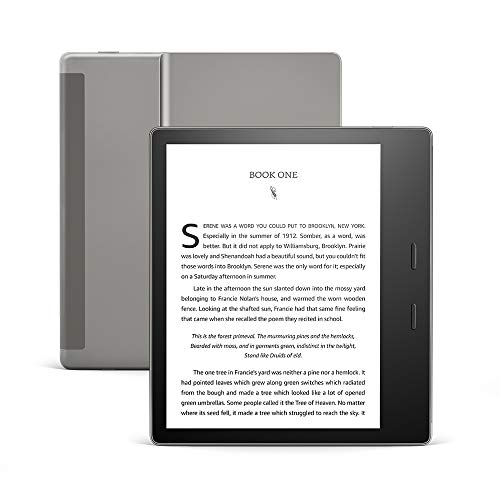
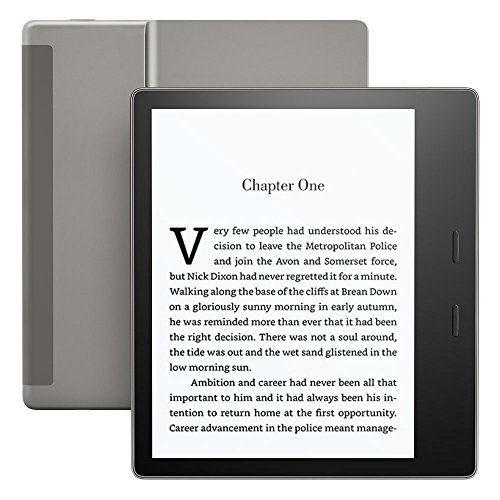
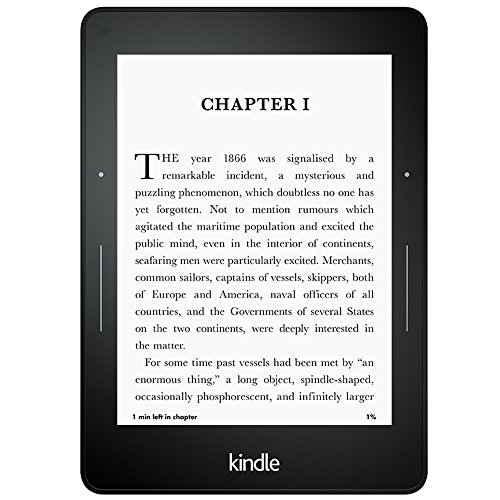
- Kindle Oasis: Oasis was Amazon's premium ergonomic line with a 7-inch screen, physical page-turn buttons, and a more distinctive asymmetric body. It targeted buyers who wanted more premium handling and tactile reading controls than the standard touch-only Kindle lines.
- Kindle Scribe: Scribe is Kindle's large-format 10.2-inch line for reading, handwriting, and document annotation. It makes the most sense when you want Kindle ecosystem integration but also need note-taking and larger-page reading.
How much do Kindle eReaders cost?
Kindle eReaders cost between £70 and £340, depending on the model and storage capacity.
The entry-level Kindle is the cheapest version, and it usually comes with a 6-inch screen and basic features at around 80–£110. It is designed for casual readers who want a compact device at a low price. The Kindle Paperwhite is the mid-range option and costs around 130–£160. It has a sharper display with higher pixel density, an adjustable front light, and a waterproof build. Many readers choose this version because it combines good performance with a still reasonable price.
At the higher end, the Kindle Oasis is the premium model and can cost between £220 and £340. It has a larger 7-inch screen, a more advanced lighting system with warm light adjustment, and a slim ergonomic design with page-turn buttons.
What should you consider while choosing the best Kindle eReader?
The following factors matter most while choosing the best Kindle eReader.
- Screen size: The basic Kindle stays compact and travel-friendly, Paperwhite balances size and comfort in the mainstream tier, and Scribe moves into large-page reading and note-taking. Start with the content type first, because novels, comics, and annotated PDFs do not need the same screen size.
- Waterproofing: Modern Paperwhite-class models are better if you read near water or want more durable everyday use, while the basic Kindle is simpler and better suited to dry environments. This is one of the clearest step-up differences in Amazon's own lineup.
- Storage: Standard ebook reading does not need much storage, but audiobooks, comics, and larger files can justify the higher-capacity Kindle options. Scribe and premium Kindle tiers make more sense when you know your library will include heavier content.
- Battery life: Kindle battery life is strong across the range, but it still changes depending on screen size, lighting, and note-taking behavior. Smaller reading-first models stay simpler, while larger or more feature-heavy models usually ask for somewhat more frequent charging.
- Lighting: Warm light, stronger front-light control, and more premium brightness behavior are meaningful differences between Kindle tiers. If you read often at night, lighting quality is worth comparing directly rather than treating it as a minor extra.
- Ergonomics and controls: Some Kindle generations emphasize lower weight and simplicity, while others add more premium materials or larger bodies for comfort. If one-handed reading matters, weight and handling can change the experience more than a small internal-spec upgrade.
- Color and note features: Standard Kindle models stay text-first, while Colorsoft and Scribe-style paths serve more specialized reading needs. If your main use is ordinary ebook reading, those premium directions are optional rather than automatic upgrades.