
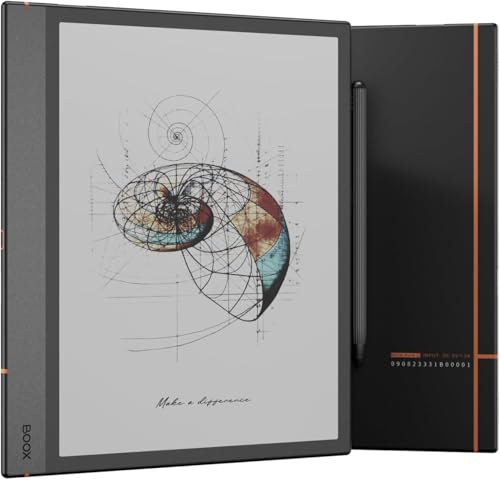
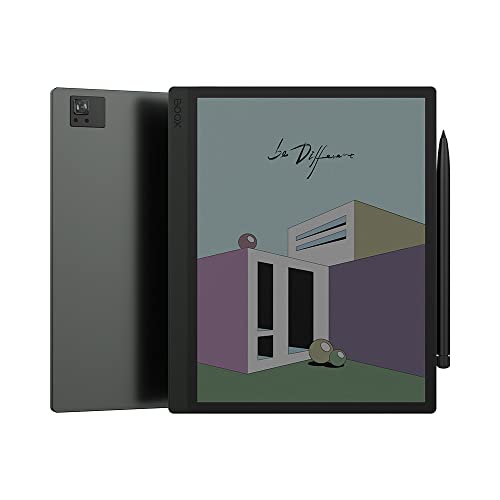
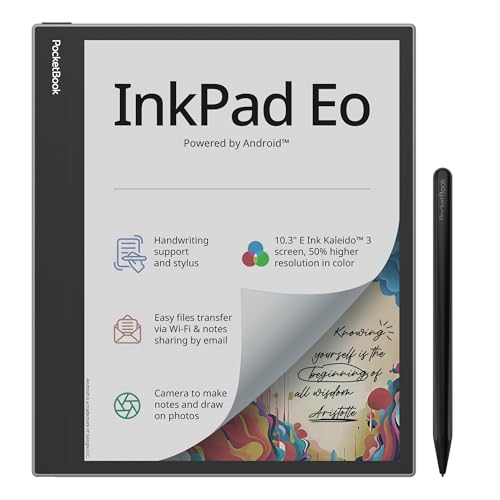
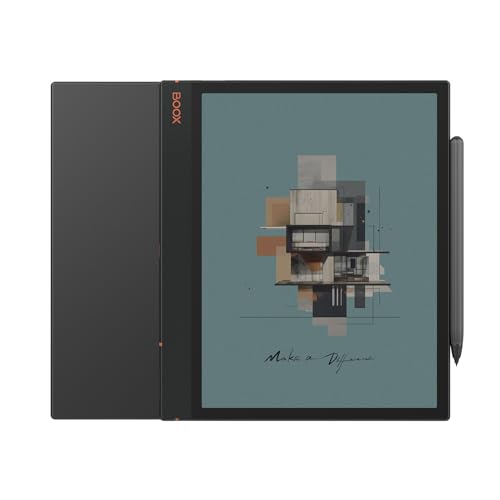
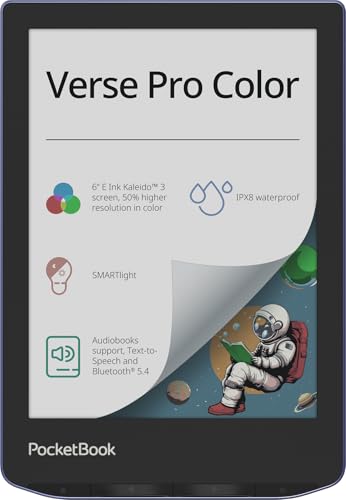
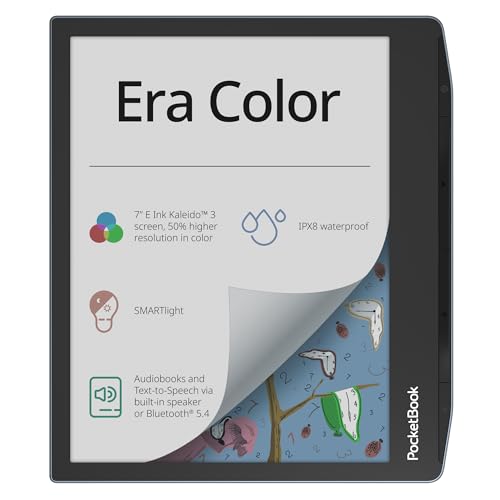
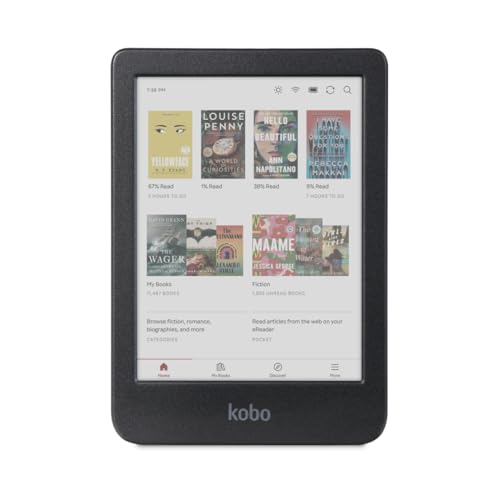
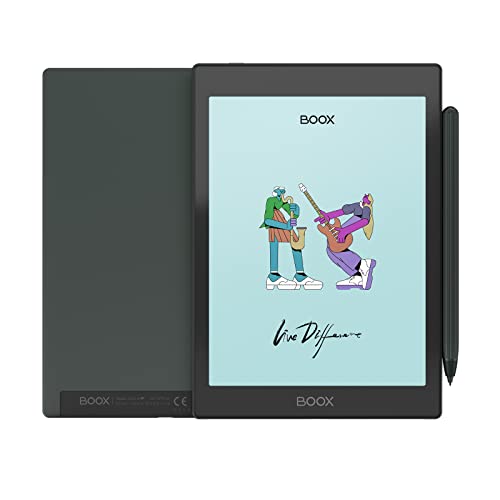
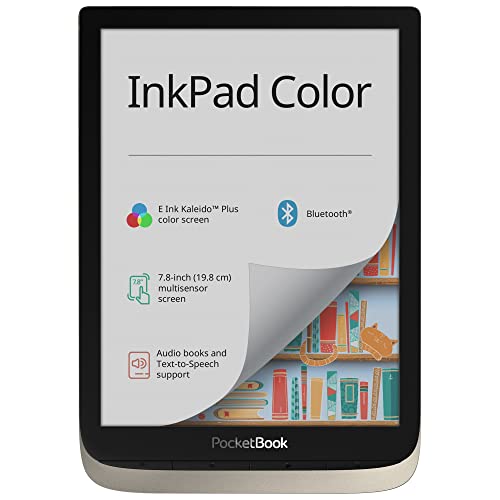
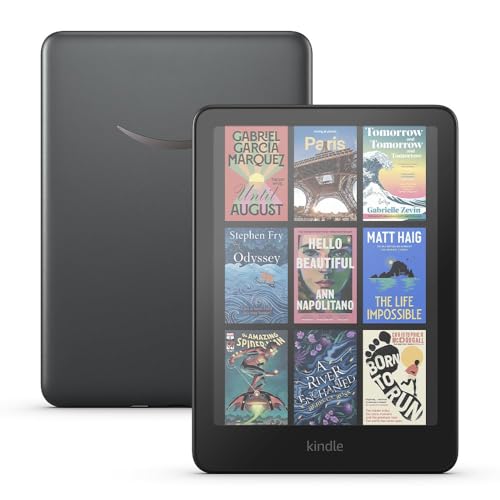
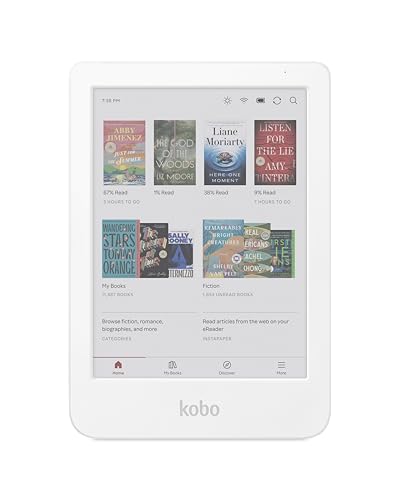
What is a color eReader?
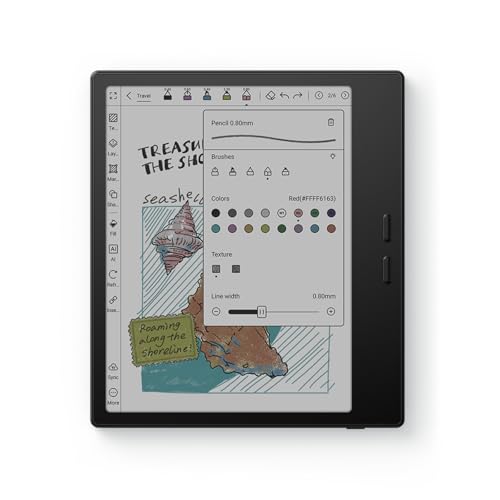
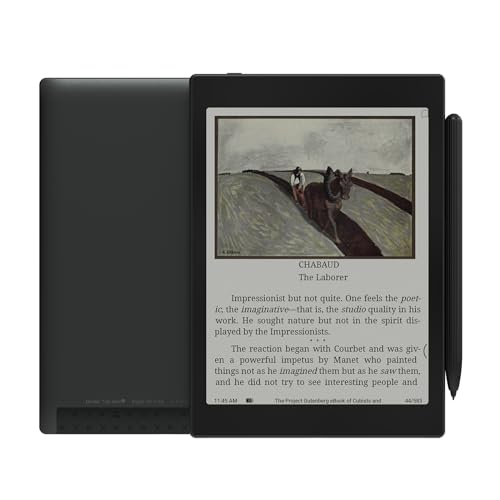
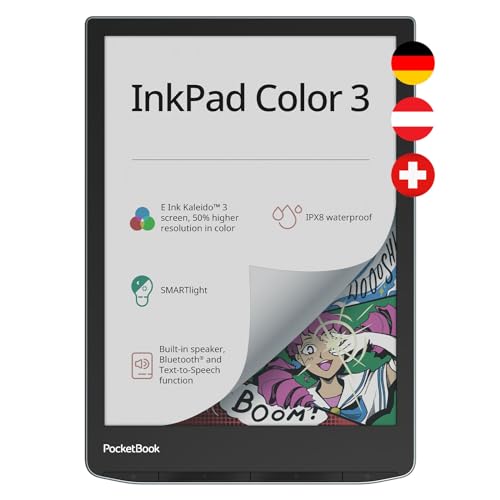
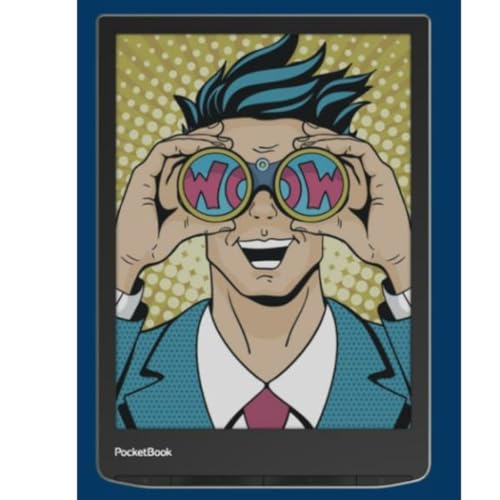
A color eReader is an electronic reading device with a screen that can display books, comics, magazines, and documents in full color. It uses special e-ink technology that supports a wide color range while keeping the same paper-like look as traditional black-and-white eReaders.
Unlike tablets that use LCD or OLED panels, a color eReader focuses on reading clarity and low power consumption, so text remains sharp and easy to view even with images, diagrams, or graphics included.
When should you consider buying a color eReader?
You should consider buying a color eReader if you read content that relies on visuals such as comics, graphic novels, magazines, or textbooks with charts and illustrations.
A color screen displays images, diagrams, and highlighted text with more clarity than a standard black-and-white eReader, so it gives a closer experience to printed material. It is also useful for academic or professional reading where graphs, maps, or detailed figures play a key role.
Color eReaders often come at a higher price and have shorter battery life compared to monochrome models, so you should think about whether you need the color display for your type of reading.

Which brands make the best color eReaders?
The best color eReader brands are as follows:
- Onyx (Average overall score: 8.3)
- Pocketbook (Average overall score: 8)
The chart below ranks color eReader brands based on their overall scores.
[horizontal-chart-09312499183574647160102822835341864126632303139670]
How much do color eReaders cost?
Color eReaders cost between £130 and £340 in most cases, but premium models can reach £550 or more. Prices depend on screen size, screen technology (E Ink Kaleido vs newer panels), and extra features such as front lighting, waterproofing, or audio support.
Entry-level color eReaders sit closer to the £130–£220 range, while mid-range devices with larger displays and better resolution move into the £260–£340 segment. High-end color eReaders target professionals or heavy readers and can pass £430–£550 if they use advanced hardware, stylus input, or large-format screens.
Price distribution for color eReaders is shown in the chart below.
[vertical-chart-18014182567291065567062968640388943072250231167663]
What display technology do color eReaders use?
Color eReaders use E Ink color display technology, which combines a standard black and white e-paper layer with a color filter on top.
The base works like traditional e-paper that reflects ambient light and shows sharp text in grayscale, and the filter adds a layer of color by dividing pixels into sub-areas with red, green, and blue. This design keeps the paper-like readability of standard eReaders while introducing color for images, comics, and magazines.
The screens usually support thousands of colors, but they remain less vivid and less bright than LCD or OLED screens because they rely on reflected light instead of backlighting.
The following chart shows which E-Ink technologies are used by color eReaders.
[pie-chart-05700120038221086716045797375631341597843319942652]
How long does the battery last on color eReaders?
Battery life on color eReaders usually lasts less time than on standard black-and-white eReaders, because the screen consumes more power.
A typical charge can last from several days to two weeks, depending on screen brightness, usage patterns, and whether the device supports apps or extra features. Models with Android systems and larger displays tend to drain faster, while simpler devices last longer between charges.
How much storage do color eReaders have?
Color eReaders have between 8 GB and 64 GB of storage, which is enough space for thousands of eBooks and a good number of PDFs, magazines, or comics.
Storage needs depend on the type of content (eBooks take very little space, while color PDFs, comics, and graphic novels use more memory). Some models stay on the lower end because text files require little capacity, while others reach higher capacities to handle large multimedia libraries.
Most color eReaders do not include a memory card slot, so users must rely on built-in storage.
What else should you consider when choosing the best color eReader?
The following factors matter most while choosing the best color eReader.
- Form factor: Color eReaders range from compact 6-inch models to larger 7-10.3 inch devices, and that size choice changes the experience more than the color layer alone. Smaller readers are easier to carry, while wider or larger screens suit comics, magazines, diagrams, and note-heavy reading better. Start with the content type first, then decide whether portability or page size matters more.
- Ecosystem and formats: Different brands connect you to different bookstores and file formats. Kindle stays closest to Amazon's ecosystem, Kobo is more open with EPUB and library borrowing, and Android-based color models support the broadest mix of apps and file types. This matters because color reading often includes comics, PDFs, and graphic files that benefit from broader format support.
- Performance: Color E Ink refresh is slower than monochrome E Ink, so processor quality and memory have a visible effect on menus, page turns, and image transitions. Stronger hardware helps most when you move between apps, browse illustrated content, or handle larger PDF and comic files. A color reader with weak performance can feel noticeably slower even if the color screen itself looks good on paper.
- Color display: Not all color E Ink implementations look equally clean or equally sharp. Most keep black-and-white text around 300 PPI but drop color detail closer to 150 PPI, which is why some models look better for text-first reading while others are better for comics and diagrams. Compare the real balance between monochrome sharpness, color saturation, and screen-door effect instead of focusing only on the word color.
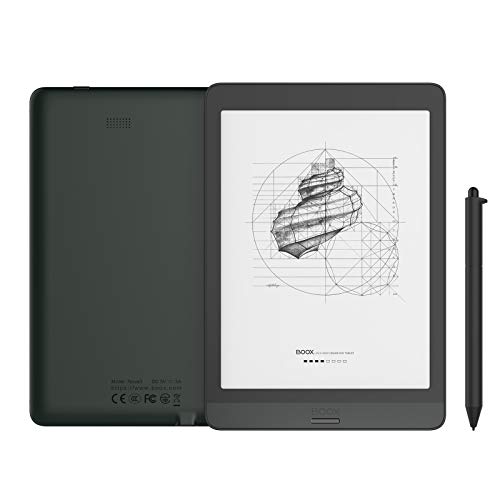
- Stylus support: Some color eReaders allow highlighting, annotation, and handwritten notes, while simpler models are only for reading. Stylus support matters most if you work with textbooks, diagrams, or color-marked PDFs rather than ordinary ebooks. If you do not annotate, it is often better to prioritize display quality and speed instead.
- Connectivity: Wi-Fi is essential for syncing purchases, library books, and cloud files, while Bluetooth matters only on models that support audiobooks or accessories. Android-based color readers may add broader cloud and app integration, but they also require more setup and usually consume more power. Check connectivity as part of your real workflow, not as an isolated spec.