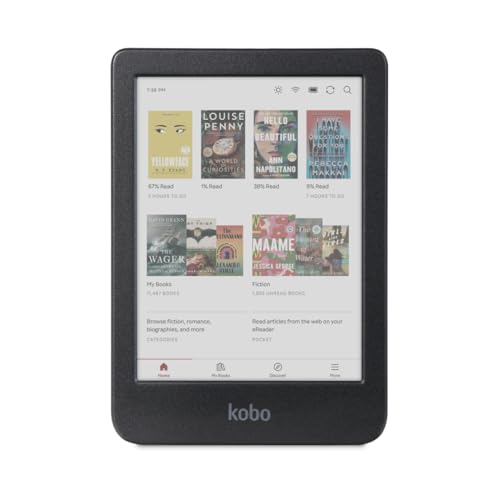

Are Kobo eReaders good?
Kobo eReaders have an average overall score of 6.2, ranking #4 among all eReader brands, and a user rating of 9.2, placing them at #2 based on user reviews.
Kobo models are usually strongest in open-format reading, library integration, and reading customization. They support EPUB more naturally than Kindle, often include adjustable front lighting and waterproofing in stronger models, and they work especially well for readers who borrow ebooks through OverDrive or prefer sideloaded files.
The main trade-off is that Kobo's ecosystem is smaller than Amazon's, and the lineup is not always as dominant in raw market presence. Kobo is usually the right choice for buyers who want more file flexibility and library-friendly reading rather than the tightest store-first ecosystem.
The best currently available Kobo eReaders (with the highest overall score) are as follows:
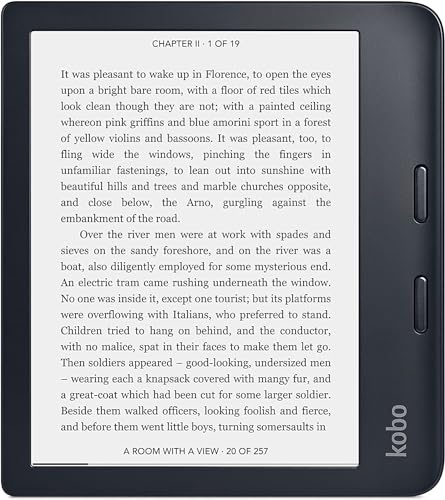
- Kobo Libra Colour (Overall score: 7.42)
- Kobo Libra 2 (Overall score: 7.02)
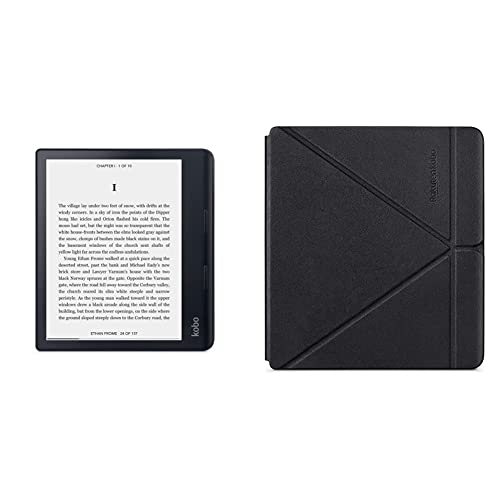
- Kobo Sage (Overall score: 6.89)
eReader brands are ranked by overall score in the following chart.
[horizontal-chart-03443204806401273189021830265755694920453923569808]
What are the main advantages of Kobo eReaders?
The main advantages of Kobo eReaders are as follows.
- Format openness: Kobo supports a broader mix of EPUB-based and sideloaded formats than Kindle. That makes the platform more flexible for library books, independent stores, and mixed personal file collections.
- Waterproof models: Kobo has made waterproofing a real part of its step-up ladder on several Libra, Sage, and earlier premium lines. This is valuable if you read near a bath, pool, or kitchen and want more everyday durability.
- ComfortLight PRO: Kobo's front lighting and warm-light control are among the brand's strongest practical features. They make long reading sessions and night reading more comfortable without forcing you into a top-end model every time.
- Strong storage on step-up models: Several Kobo models move to 32 GB, which is useful for larger libraries, audiobooks, comics, and PDFs. That gives Kobo more room to serve readers who go beyond simple text-only novels.
- OverDrive and Pocket integration: Kobo works well for readers who borrow from public libraries and save long-form articles for later reading. Those integrations make the ecosystem feel more open and library-friendly than a pure bookstore-first platform.
- Bluetooth audio on selected models: Some Kobo models add Bluetooth audiobook support without shifting all the way into an Android-style device. That broadens the use case while keeping the system simpler than a full app-based reader.
What are the main disadvantages of Kobo eReaders?
The main disadvantages of Kobo eReaders are as follows.
- Slower feel on heavier files: Kobo devices can feel less responsive than faster Android E Ink hardware or some Kindle models when you load large PDFs or move quickly through menus. This is most visible on document-heavy use rather than ordinary ebook reading.
- Smaller store ecosystem: Kobo's bookstore is solid, but it is still smaller and less dominant than Amazon's. Buyers who care mainly about store size, exclusives, and aggressive discounts may still find Kindle stronger.
- Less productivity depth than Android readers: Kobo is strong as a reading platform, but it is not as flexible as Onyx-style Android devices for app workflows, advanced file handling, or broader note and productivity setups. That matters most for professional or research-heavy users.
- Larger models get expensive: Once you move into Sage or Elipsa-class devices, Kobo pricing rises well beyond the brand's simple-reading tiers. At that point the buyer needs to value Kobo's ecosystem and reading experience, not just the hardware alone.
- Weaker global shelf presence than Kindle: Kobo is not equally easy to find, test, or support in every market. Availability varies more by region, which can matter for accessories, replacements, and in-store buying confidence.

Who makes Kobo eReaders?
Kobo eReaders are made by Rakuten Kobo Inc., a Canadian company based in Toronto. It started in 2009 as a spin-off from Indigo Books & Music, the largest book retailer in Canada.
In 2012, the Japanese e-commerce group Rakuten acquired Kobo for 315 million dollars and turned it into its global digital reading division. Since then, Kobo has become one of the leading eReader brands alongside Amazon Kindle.
The company employs hundreds of people worldwide and has offices in Canada, the United States, Europe, and Asia. Kobo sells eReaders, eBooks, and audiobooks, and its devices are produced through partnerships with manufacturers in Asia.
The brand focuses on open formats such as EPUB, which makes its eReaders compatible with many digital bookstores and public library systems.
How popular are Kobo eReaders?
Kobo e-readers are the second most popular worldwide, with shipments in 2024 estimated at around 4–5 million units and a global market share of about 10 %. The Kobo Libra 2, Clara 2E, and Sage drove most sales, positioned as alternatives to Kindle with support for EPUB and integration with public library lending.
Kobo performed strongest in Europe and North America, where its share reached around 15 % in some markets, while in Asia its presence remained limited.
What are the main Kobo eReader series?
The main Kobo eReader series are as follows.
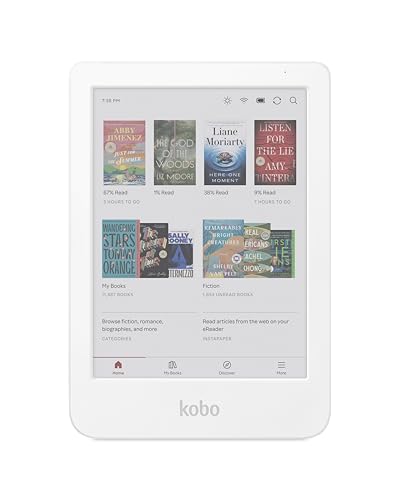
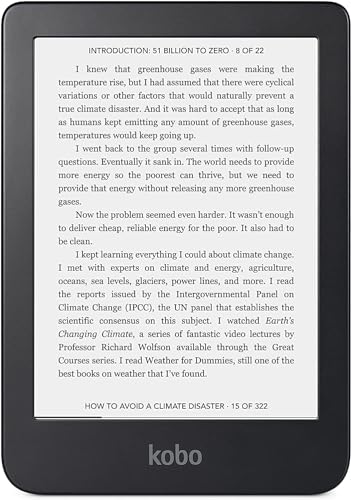
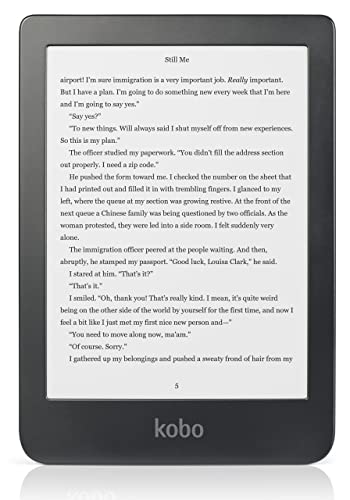
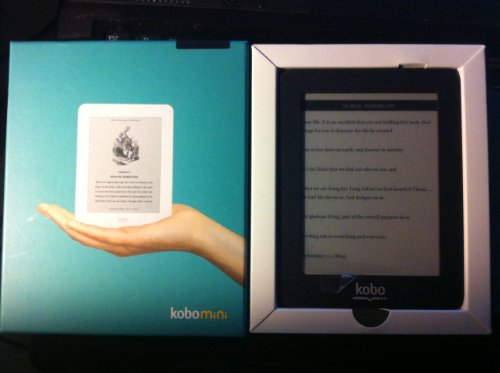
- Kobo Clara: Clara is Kobo's compact 6-inch line for everyday reading. The stronger Clara models pair a light chassis with 300 PPI text, ComfortLight PRO, and in newer versions waterproofing or color E Ink depending on the model.
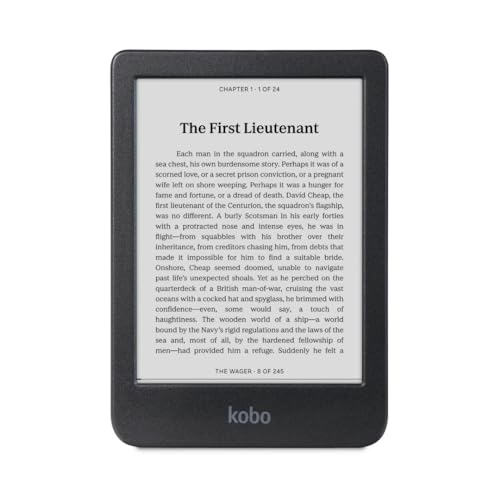
- Kobo Nia: Nia is Kobo's entry-level 6-inch line. It is simpler than Clara, with lower hardware ambition and lower pricing, and it makes the most sense when basic EPUB reading matters more than premium lighting, waterproofing, or faster page turns.
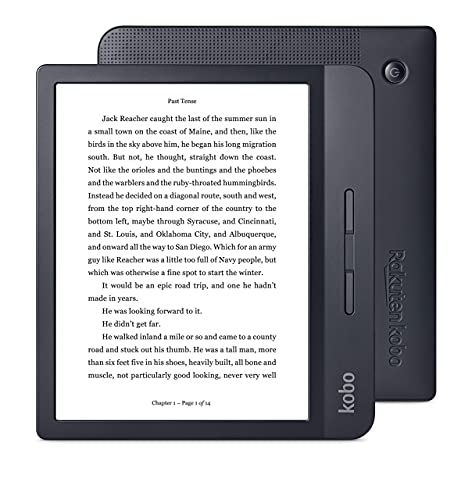
- Kobo Libra: Libra is Kobo's step-up 7-inch line with page-turn buttons and a more ergonomic asymmetrical body. It is one of Kobo's most balanced series because it combines 300 PPI text, ComfortLight PRO, waterproofing, and on newer models either monochrome or color E Ink.
- Kobo Sage: Sage is Kobo's premium 8-inch line for readers who want a larger page and stronger document flexibility. It adds a bigger screen, stylus support, Bluetooth audiobook support, and faster hardware than Kobo's smaller mainstream models.
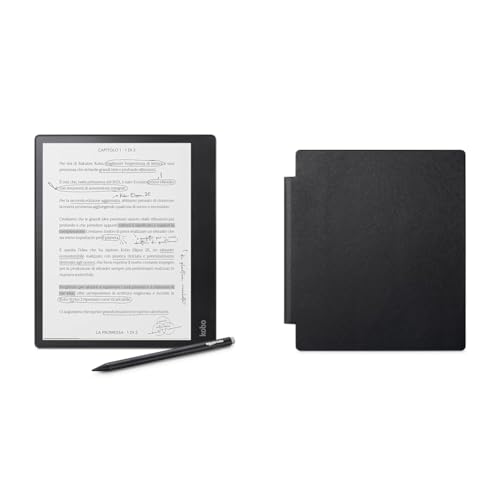
- Kobo Elipsa: Elipsa is Kobo's 10.3-inch large-format line for note-taking, PDFs, and handwritten annotations. It is less about pocket portability and more about writing, markup, and full-page document viewing.
- Kobo Aura: Aura was an older Kobo family that helped establish front lighting, sharper screens, and water resistance in the lineup. It matters mainly as a discontinued legacy series rather than a current buying tier.
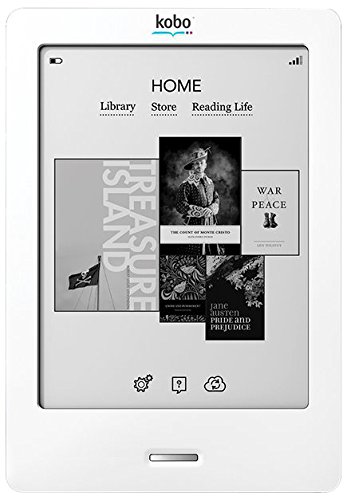
- Kobo Touch: Touch was one of Kobo's early touchscreen families and helped move the brand away from button-led navigation. It is now a legacy series that matters more historically than as a current model family.
How much do Kobo eReaders cost?
Kobo eReaders cost between £90 and £340, depending on the model and screen technology.
The entry-level Kobo Nia is the most affordable option at around £90, while the Kobo Clara models are priced in the mid-range between £130 and £170. These devices have 6-inch touchscreens with adjustable front lights, so they suit users who want a compact eReader for everyday reading.
More advanced models such as the Kobo Libra 2 and Kobo Sage range between £170 and £260 and include waterproof designs, larger screens, and Bluetooth support for audiobooks. The top model, Kobo Elipsa 2E, costs about £340 and has a 10.3-inch display with stylus support for note-taking.
What should you consider while choosing the best Kobo eReader?
The following factors matter most while choosing the best Kobo eReader.
- Screen size and resolution: Clara is the compact reading-first line, Libra adds a larger 7-inch class with buttons, and Elipsa moves into 10.3-inch note and document use. Start with whether you want maximum portability or a larger page for PDFs and annotation.
- Display generation: Kobo's E Ink hardware differs by tier, especially in front lighting, warm-light control, and newer Carta-based panels. The right step-up is often about better everyday reading comfort rather than a dramatic spec-sheet jump.
- Waterproofing: Waterproofing is a real differentiator inside the Kobo range rather than a universal feature. Libra, Sage, and some premium Kobo lines are better for pool or bath reading, while simpler models are more basic everyday readers.
- Storage: Clara-level reading usually does not need large storage, but Sage and Elipsa-class devices make more sense if you keep audiobooks, PDFs, or a larger library offline. Compare storage with your actual content type rather than assuming more is always necessary.
- Stylus support: Kobo's larger note-oriented lines are the right choice if you want handwriting, annotation, and PDF markup. If you only read novels and standard ebooks, paying for stylus support is often unnecessary.
- Battery life: Simpler Kobo readers generally last longer because they run fewer power-hungry features, while larger screens, Bluetooth, and note use reduce runtime. This matters most if you want a low-maintenance travel reader rather than a document tool.
- Audio support: Kobo only adds Bluetooth audiobook playback on selected models, so it is worth checking directly if audio matters. Do not assume every Kobo reader supports audiobooks just because it shares the same store ecosystem.