
Are Sony eReaders good?
Sony eReaders have an average overall score of 5, ranking #6 among all eReader brands, and a user rating of 7.3, placing them at #6 based on user reviews.
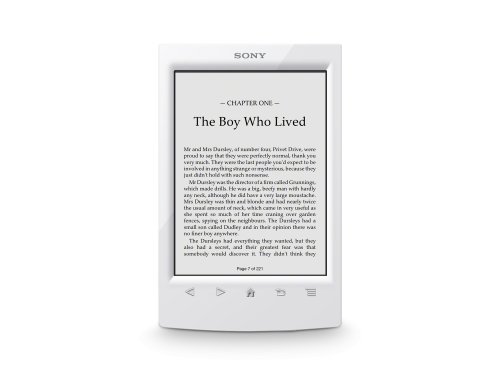
Sony models were usually strongest in early mainstream E Ink adoption, solid hardware quality, EPUB and PDF support, and relatively clean reading software. The PRS lineup helped define the category before Kindle and Kobo became more dominant, and Sony readers were often seen as well-built open-format alternatives.
The main trade-off is that Sony left the dedicated eReader market years ago. Older Sony readers can still work for sideloaded books, but there is no current Sony eReader ecosystem or active model ladder, so they make the most sense only for buyers comparing older devices or used-market options.
The Sony eReaders with the highest overall scores are as follows:
- Sony Prs T2 (Overall score: 5.5)
- Sony Prs 650 (Overall score: 5.11)
- Sony Prs T1 (Overall score: 5)
The following chart compares eReader brands based on their overall scores.
[horizontal-chart-03443204806401273189021830265755694920453923569808]
What are the main advantages of Sony eReaders?
The main advantages of Sony eReaders are as follows.
- Display quality: Later Sony PRS models used E Ink Pearl screens that still deliver solid contrast and a paper-like reading feel. Even by current standards, they remain comfortable for basic monochrome reading in bright light.
- Low weight: Sony readers such as the PRS-T series stayed compact and light, which makes them easy to hold for long sessions. This lighter hardware profile is still one of the more attractive parts of older Sony devices.
- Expandable storage: Many Sony eReaders included microSD support, which gave buyers more flexibility than some closed-storage competitors. That mattered especially when carrying large personal libraries or PDF files.
- Open format support: Sony supported EPUB and PDF, which gave the devices broader compatibility than later ecosystems built mainly around one bookstore. That openness is still useful if the reader is used mainly for sideloaded content.
- Battery life: Like other simple E Ink readers, Sony models could last for weeks under light reading use. For a discontinued device class, that low-power reading behavior remains a practical strength.
- Straightforward controls: Sony's interface and physical buttons on older models kept navigation relatively simple. That makes these readers easier to use as dedicated reading devices than more app-heavy alternatives.
What are the main disadvantages of Sony eReaders?
The main disadvantages of Sony eReaders are as follows.
- Discontinued lineup: Sony stopped making mainstream consumer eReaders years ago, so there is no current hardware ladder to compare or buy new. Most purchases now depend on used or refurbished stock.
- Older hardware: Sony readers are much older than current Kindle, Kobo, Onyx, or PocketBook models, so processors, storage, screens, and battery condition are all more limited. This is the main reason they are harder to recommend today.
- No active ecosystem: Sony's own reader store is gone, and there is no modern Sony ebook platform supporting these devices. That makes the experience much more dependent on sideloading and older workflows.
- Weaker lighting and modern features: Many Sony models predate the stronger front lights, waterproofing, USB-C, Bluetooth audio, and stylus ecosystems now common in newer readers. They work best as basic text readers rather than modern feature-rich devices.
- Lower long-term value: Because the hardware is old and support is gone, Sony eReaders are harder to justify unless the price is very low or the buyer specifically wants a legacy device. In most practical cases, newer brands offer better value and less risk.

Who makes Sony eReaders?
Sony eReaders were developed and manufactured by Sony Corporation, a Japanese multinational based in Tokyo.
Sony entered the eReader market in 2004 with the Librie, which was the first eReader to use electronic ink technology. The company later released the Sony Reader line, which included models such as the PRS-500, PRS-505, and PRS-T series. These devices were sold mainly in North America, Europe, and Japan.
Sony was one of the early pioneers in the eReader market, but its devices gradually lost ground to Amazon Kindle and Kobo. In 2014, Sony officially exited the consumer eReader business and closed its Reader Store in the US and Canada, transferring customers to Kobo. Since then, Sony has focused on supplying e-ink readers for business and professional use, such as the Digital Paper series (DPT-S1, DPT-RP1, and DPT-CP1). These devices target corporate, legal, and academic users rather than general consumers.
How popular are Sony eReaders?
Sony e-readers are now a very small player worldwide, with shipments in 2024 estimated at under 0.5 million units and a market share below 1 %, so the brand no longer appeared in major global rankings.
Sony exited the mainstream e-reader market years ago and focused instead on digital paper devices such as the Sony DPT-RP1, which targeted professionals and businesses rather than casual readers.
Sales were concentrated in Japan and a few international business markets, with almost no consumer presence in North America or Europe.
What are the main Sony eReader models?
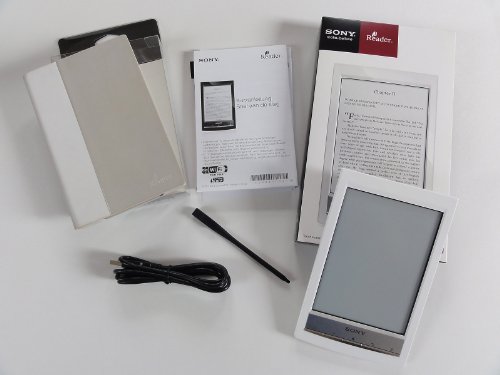
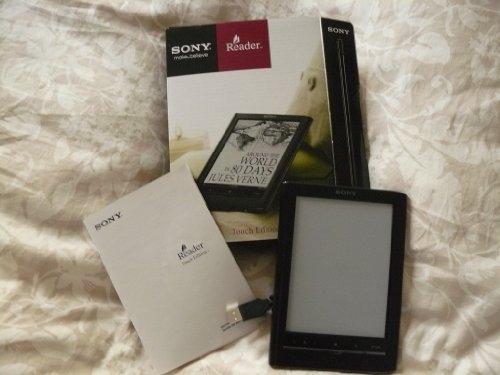
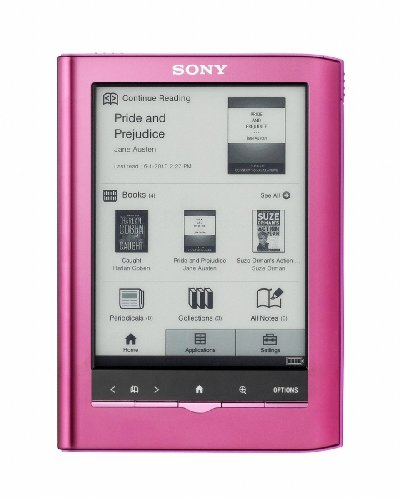
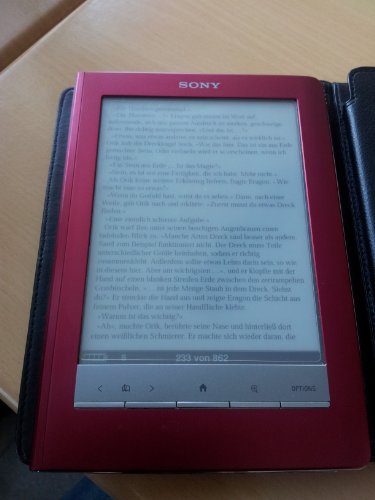
Sony's main eReader hardware families were built around the PRS naming system, with variations such as Pocket Edition, Touch Edition, Daily Edition, and the later PRS-T Wi-Fi models. In practice, the most useful way to compare Sony readers is by generation and form factor rather than treating them as a broad modern multi-series lineup.
The earlier PRS models established Sony's place in the early eReader market, while the later PRS-T generation focused on lighter touch-based reading with Wi-Fi support. Both sit in a legacy market context now rather than an active current-product ladder.
How much do Sony eReaders cost?
Sony eReaders cost between £90 and £260, depending on the model and its release year.
Entry-level devices such as the Sony Reader Pocket Edition were priced closer to £90, while larger models like the Reader Daily Edition and the PRS-T3 reached 200–£260. Prices varied by storage capacity, screen size, and added features such as touch input or Wi-Fi.
What should you consider while choosing the best Sony eReader?
The following factors matter most while choosing the best Sony eReader.
- Screen generation: Sony's older Vizplex and later Pearl displays differ noticeably in contrast and reading comfort. If you are comparing used PRS models, the later Pearl-based devices are usually the safer choice.
- Front light absence: Most Sony readers are older designs without the kind of integrated front lighting expected on newer eReaders. If night reading matters, this limitation should be checked first rather than treated as a small missing extra.
- Storage and expansion: Internal storage is modest on most Sony devices, but some models offset that with microSD support. If you plan to load many PDFs or a large sideloaded library, this can matter more than the base storage figure.
- Wireless features: Some Sony readers added Wi-Fi, while earlier ones relied fully on cable transfer. If you want the simplest library loading workflow on an older device, wireless support is worth confirming directly.
- Condition and battery health: Because Sony eReaders are now legacy hardware, used-condition risk matters more than on current brands. Battery wear, screen marks, and charging-port condition can affect the real value more than the original spec sheet.
- File workflow: Sony makes the most sense when you mainly read EPUB, PDF, or other sideloaded files and do not depend on a current bookstore ecosystem. The device is usually a better fit for open local libraries than for buyers who want modern cloud integration.