
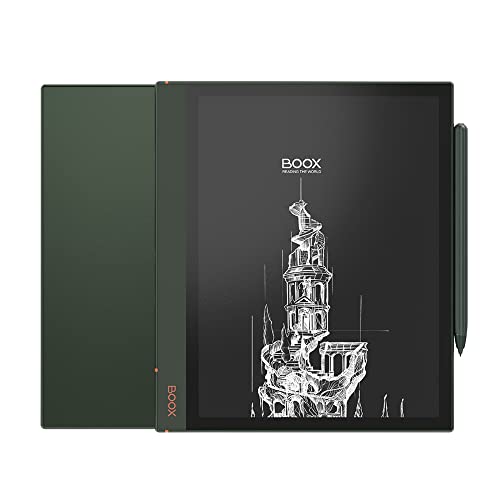
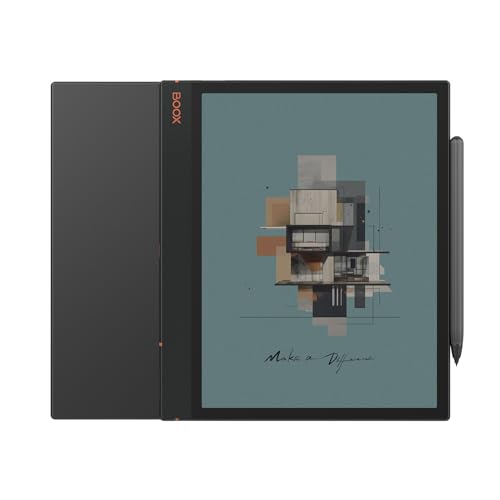
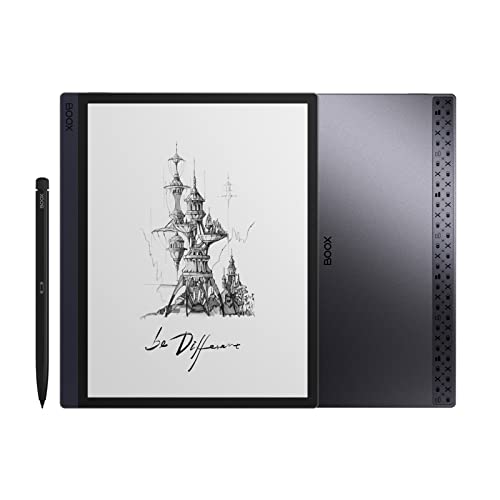
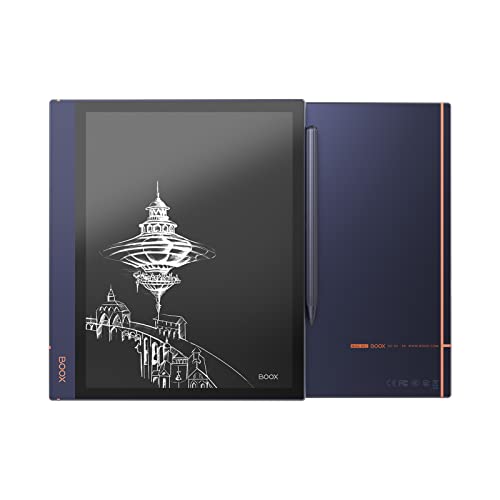
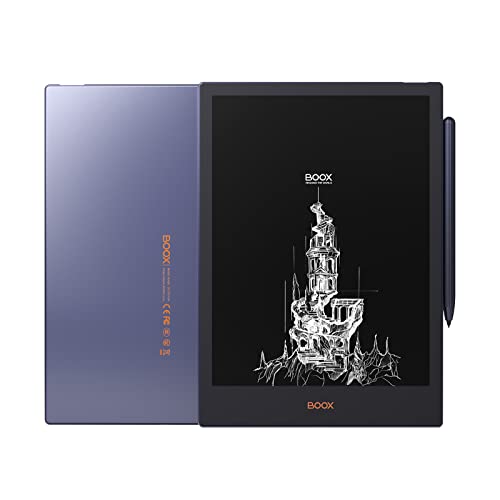
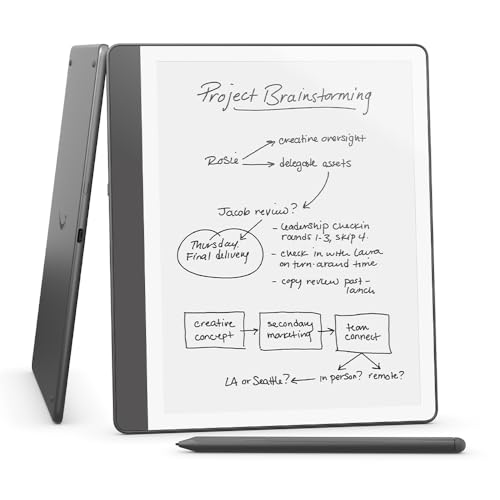
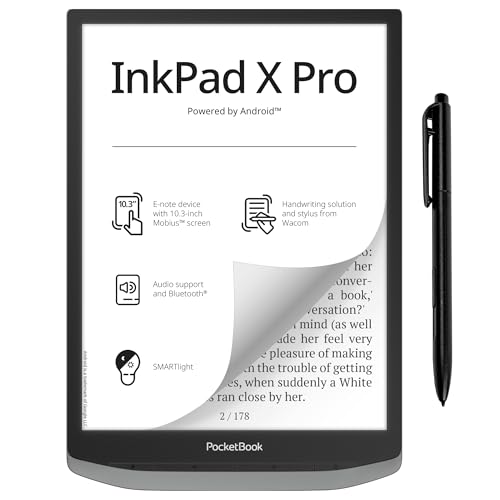
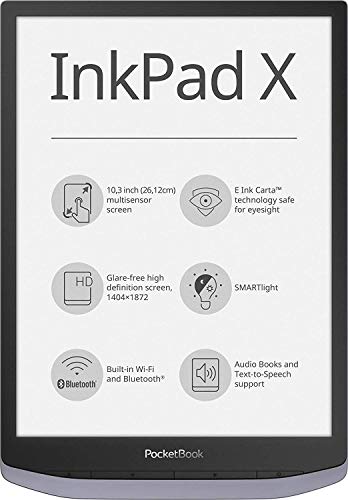
Are 10-inch eReaders worth buying?
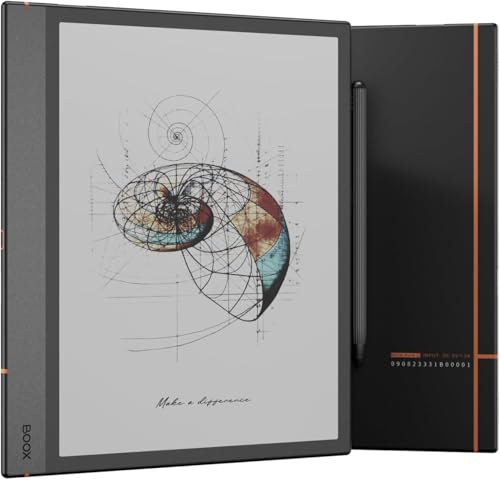
10-inch eReaders are worth buying if you want a larger screen that displays more text per page and improves readability of complex content such as PDFs, comics, or textbooks.
The bigger display reduces eye strain in long sessions, and it suits users who prefer fewer page turns compared to smaller devices. The size also helps with layout accuracy, so magazines, scientific papers, and documents retain their original structure without heavy zooming or scrolling.
At the same time, a 10-inch eReader is heavier and less portable than smaller versions, so it suits home or office use more than travel. Battery life may shorten compared to compact models, as the larger display consumes more power, although e-ink still performs well compared to tablets. Prices are higher too, as larger panels and stronger hardware raise costs, so these devices often reach 300–£430 or more.
Which brands make the best 10-inch eReaders?
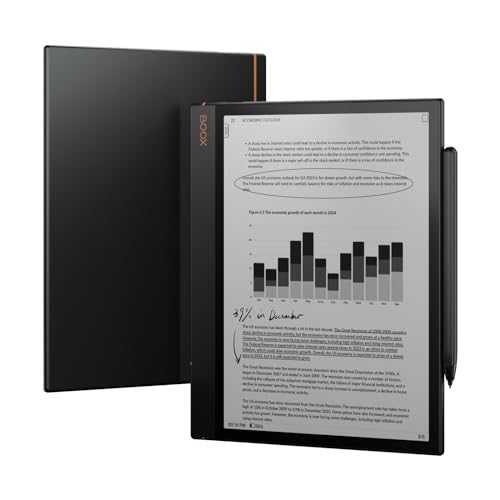
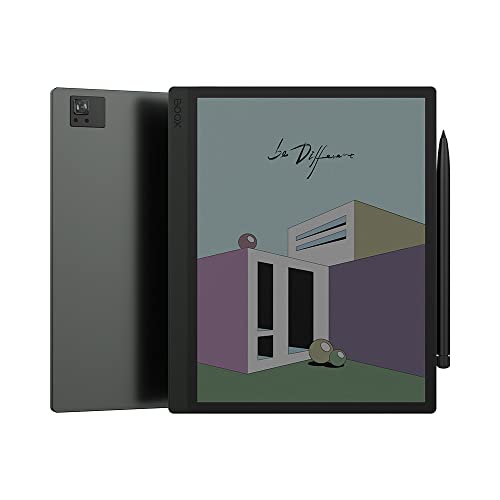
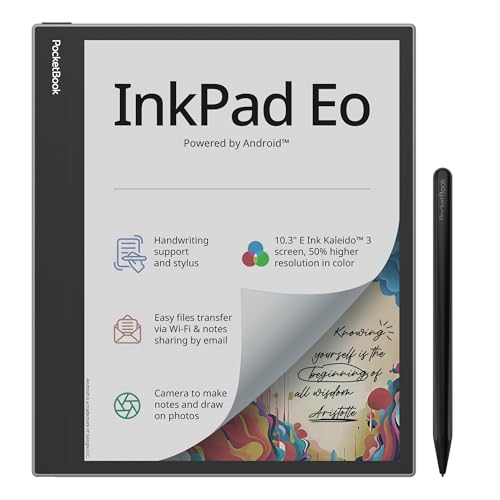
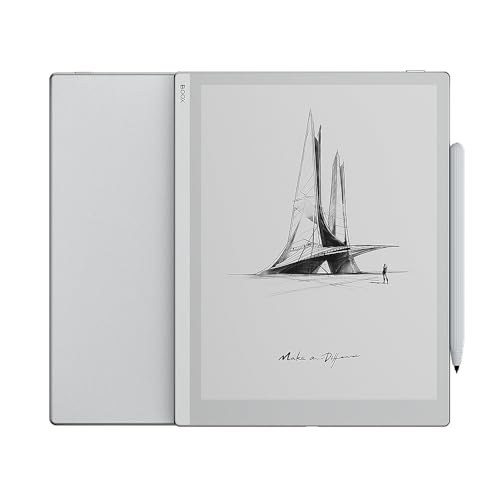
The best 10-inch eReader brands are as follows:
- Onyx (Average overall score: 8.3)
- Pocketbook (Average overall score: 7.7)
- Irex (Average overall score: 4.1)
10-inch eReader brands are ranked by overall score in the following chart.
[horizontal-chart-14807409987258470778064329552765497466370026781292]

How much do 10-inch eReaders cost?
10-inch eReaders cost between £260 and £700, depending on brand, display type, storage, and extra features.
Models at the lower end of the range usually focus on basic reading functions with standard e-ink screens, while those at the higher end include higher resolution displays, color technology, or advanced note-taking tools. Prices for these larger eReaders stay higher than for 6- or 7-inch models because of the bigger screen and extra hardware requirements.
The most advanced 10-inch eReaders reach close to £850 when they include stylus input, extended storage, or tablet-like functions.
The chart below shows price distribution across 10-inch eReaders.
[vertical-chart-12849058893064169865086445407144574643184122104098]
What screen quality do 10-inch eReaders have?
10-inch eReaders have high screen quality with large E Ink panels that give sharp and clear text.
Resolution usually reaches 1872 × 1404 pixels or higher, which delivers a pixel density of about 220–300 ppi (so letters and details look crisp and smooth). Most screens use E Ink Carta HD technology with adjustable front light, and many include color temperature control, so users can switch between warm and cool light. A matte finish reduces reflections, and the grayscale contrast is strong enough for long reading sessions without eye strain.
Some 10-inch eReaders use color E Ink screens, which reproduce thousands of colors but with lower sharpness compared to black-and-white panels (ppi drops slightly when color is active).
Screen refresh is slower than on LCD or OLED tablets, yet eReaders prioritize comfort over speed.
How long does the battery last on 10-inch eReaders?
The battery on 10-inch eReaders lasts from several days up to a few weeks, depending on display technology, brightness settings, and wireless use.
Devices with e-ink screens consume very little power when showing static text, so they last longer between charges. Larger 10-inch screens require more energy than smaller ones, but e-ink still keeps consumption low compared with LCD or OLED panels. Use of Wi-Fi or Bluetooth reduces runtime because these connections draw constant power.
What else should you consider when choosing a 10-inch eReader?
The following factors matter most while choosing a 10-inch eReader.
- Format support: A 10-inch eReader is often bought for PDFs, textbooks, sheet music, and technical documents, so broad file support matters more here than on a small novel reader. PocketBook, Kobo, Kindle, and Onyx differ in how easily they handle EPUB, PDF, DJVU, Word documents, and cloud transfers. The best model is the one that handles your real document mix with the least conversion work.
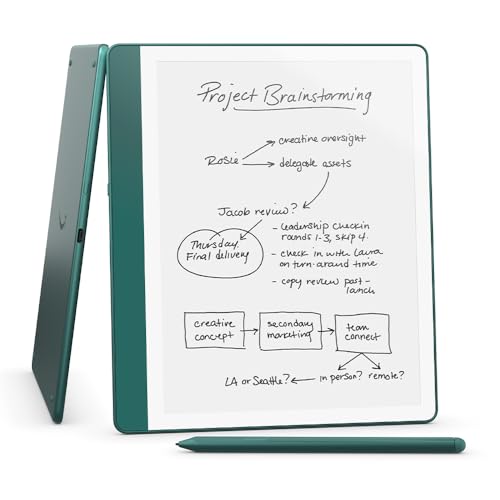
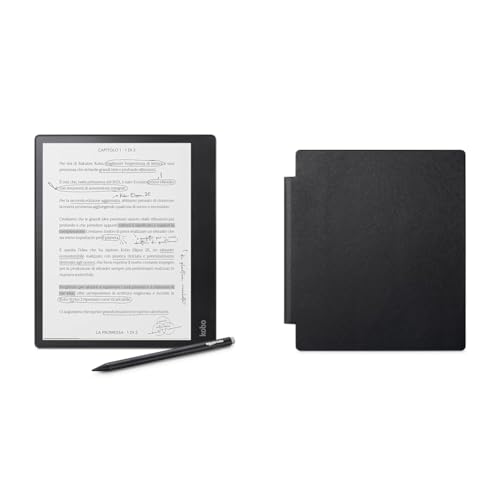
- Note-taking: Stylus quality, handwriting latency, annotation tools, and export options vary more than the screen size alone suggests. Kindle Scribe, Kobo Elipsa, and Onyx models all support writing, but they differ in handwriting recognition, notebook tools, PDF markup, and sharing workflows. If you are buying a 10-inch reader for work or study, this is usually one of the first comparisons to make.
- Operating system: Proprietary reading systems stay simpler and usually last longer on battery, while Android-based large eReaders add more app flexibility and broader document workflows. The trade-off is that Android models usually need more setup and more power management. Decide first whether you want a dedicated reading notebook or a more flexible E Ink work device.
- Weight and portability: A 10.3-inch screen is useful for full-page reading, but it also makes the device heavier and less comfortable for one-handed use. Even within this class, weight differences are large enough to affect whether the device feels portable or mostly desk-bound. If you will carry it daily, compare grams and thickness directly rather than assuming all 10-inch readers feel similar.
- Software support: Update policy matters more on large document readers because note tools, file handling, and sync features evolve over time. Amazon and Kobo usually keep their proprietary systems simpler and more stable, while Android-based Onyx models trade longer-term simplicity for more app flexibility. A better-supported device can age much more gracefully if you plan to keep it for years.