
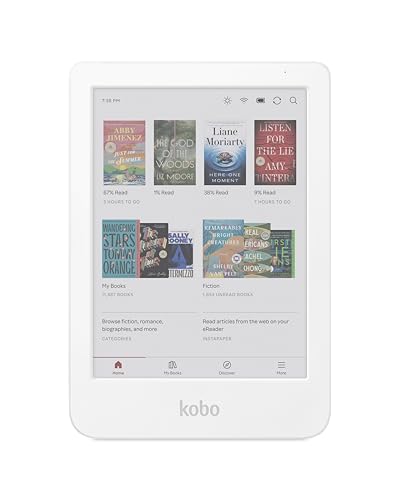
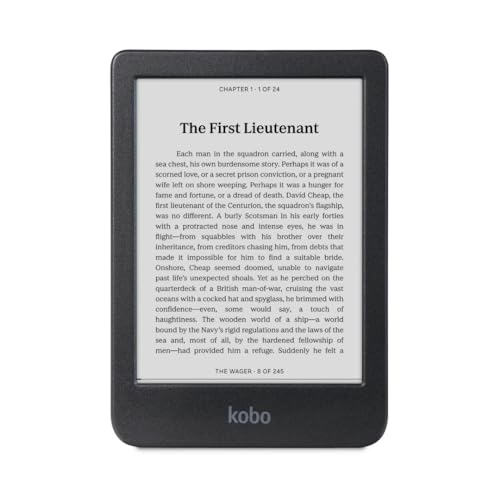
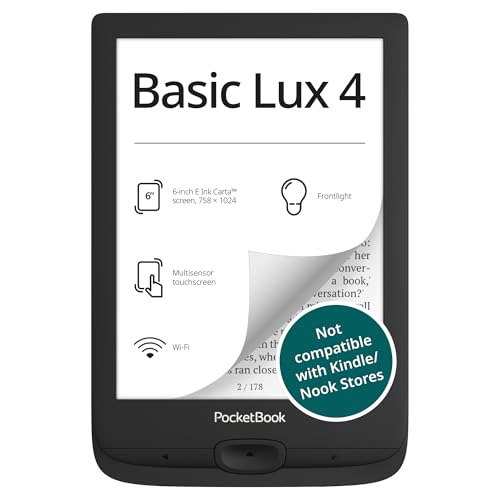
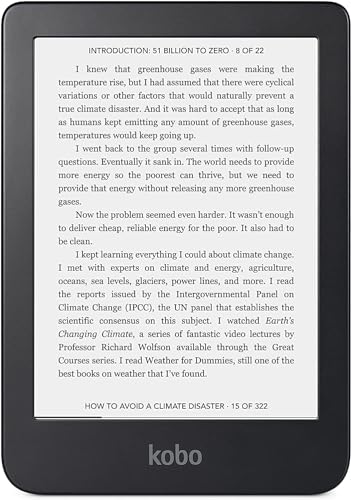
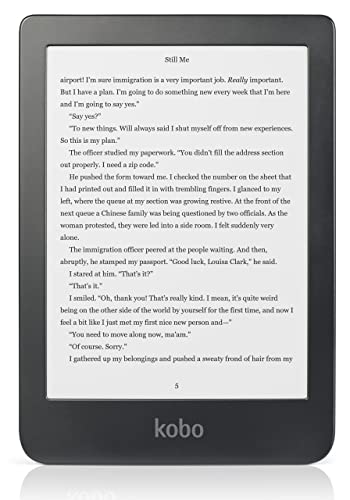
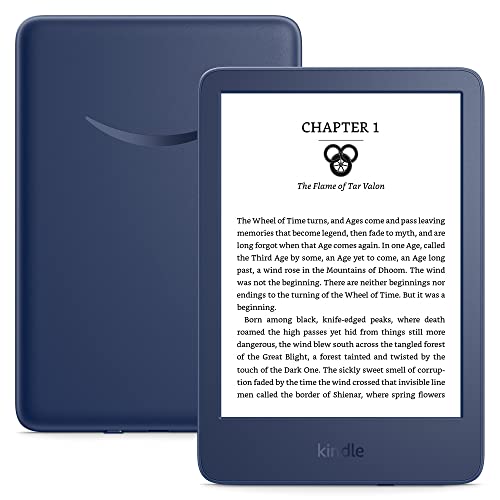
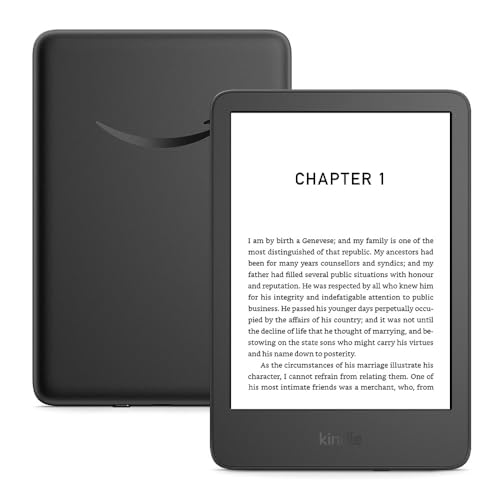
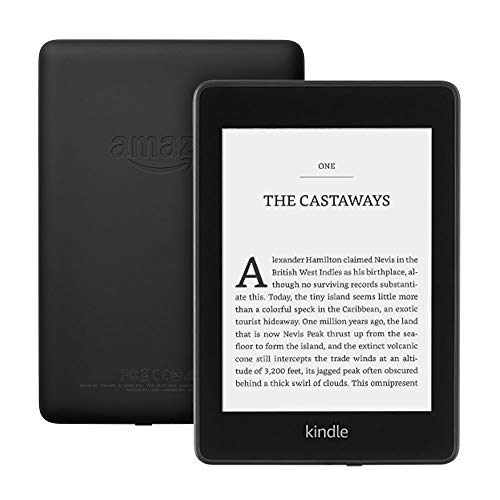
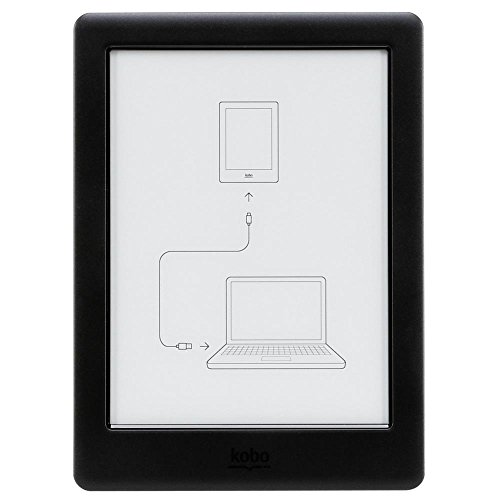
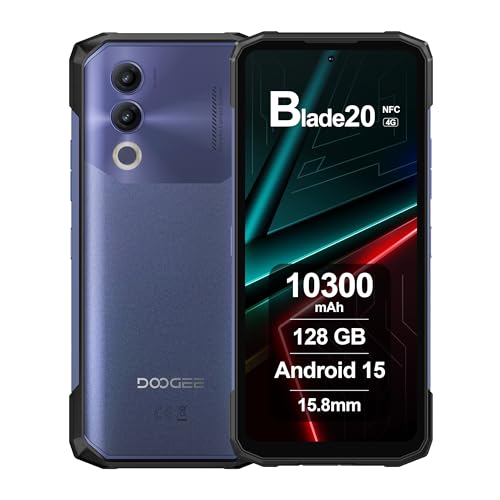
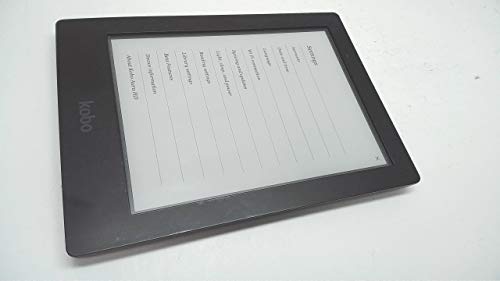
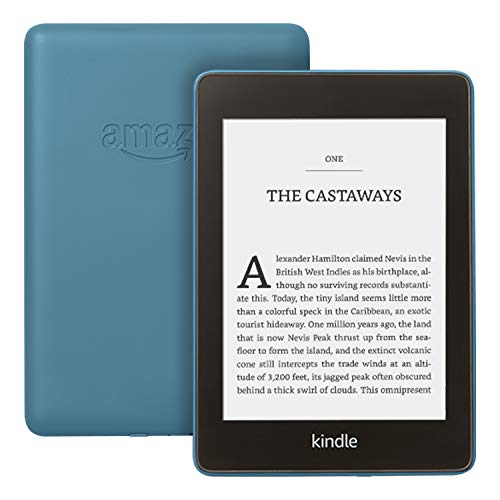
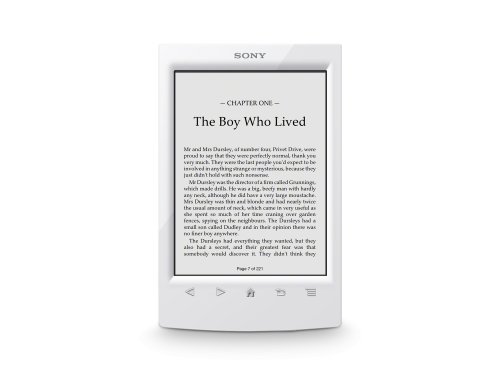
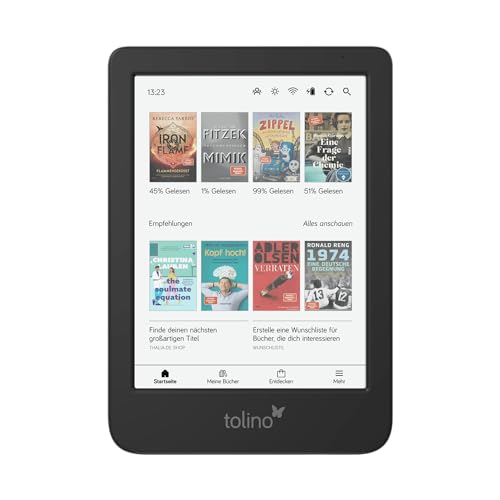
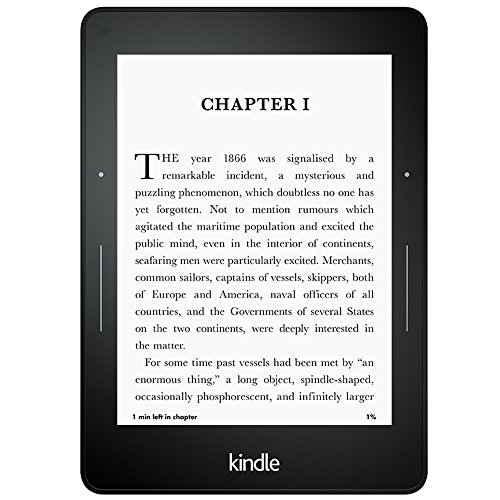
What is considered a cheap eReader?
A cheap eReader is considered one that costs under £150.
Devices in this range focus on the basics of reading eBooks, so they include features like a standard E Ink display, basic storage, and Wi-Fi connectivity. They often skip advanced additions such as waterproofing, adjustable warm light, or high-resolution screens, which are common in mid-range and premium models.
Are cheap eReaders worth buying?
Cheap eReaders are usually designed for basic reading needs, with features that cover essential functions such as displaying eBooks in a clear format and supporting common file types. They often have smaller screens, lower resolution, and less storage compared to mid-range or premium models. Build quality is usually simpler, with less durable materials and fewer extras like waterproofing or advanced lighting options.
For casual readers who only need a straightforward device to read digital books, these models can serve the purpose well. They are lightweight, portable, and affordable, making them accessible to more people.
Which brands make the best cheap eReaders?
The best cheap eReader brands are as follows:
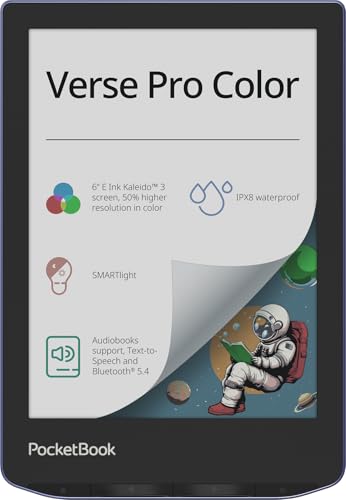
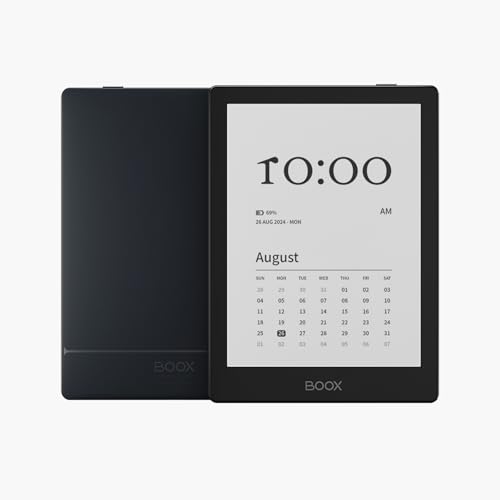
- Onyx (Average overall score: 7.3)
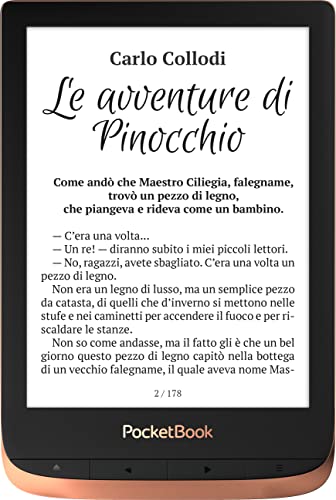
- Pocketbook (Average overall score: 5.9)
- Kobo (Average overall score: 5.8)
The following chart ranks cheap eReader brands based on their overall scores.
[horizontal-chart-03833913112935550476104125345409359358120208604737]
What screen quality do cheap eReaders have?
Cheap eReaders typically feature basic E Ink displays with 167 PPI (pixels per inch) resolution and 6-inch screens that show text clearly but lack the sharp detail found in premium models.
These budget devices use older E Ink Pearl or Carta technology without frontlights, which means users need external lighting to read in dark conditions. The screens refresh slowly and display only black and white content, with noticeable ghosting effects when pages turn.
The chart below shows screen-size distribution across cheap eReaders.
[vertical-chart-16142822718759326725028821458293653703201041947558]
How long does the battery last on cheap eReaders?
Cheap eReaders typically last 2 to 6 weeks on a single charge, though actual performance varies based on how you use them. The battery life depends on factors like your reading frequency, screen brightness settings, and wireless connectivity usage.
Most budget eReaders achieve their extended battery life through E Ink technology, which consumes power only when you turn pages or adjust settings. The screen stays dormant between page turns, so the device doesn't drain battery while sitting idle. This technology separates eReaders from tablets and smartphones that continuously use power for their displays.
How much storage do cheap eReaders include?
Cheap eReaders include around 4 GB to 8 GB of storage, which is enough to hold thousands of standard eBooks since one book usually takes only a few megabytes.
The actual space available to you is smaller than the stated capacity because the system software takes up part of it, so the usable storage is usually about 3 GB to 6 GB. This still supports a large library of text-only titles without running into limits quickly.
Some cheap eReaders also include a slot for microSD cards, which expands the storage up to tens of gigabytes. That addition is useful if you read large files such as PDFs, comics, or books with images, as those take up more space than plain ePub or MOBI formats.
What else should you consider while choosing the best cheap eReader?
The following factors matter most while choosing the best cheap eReader.
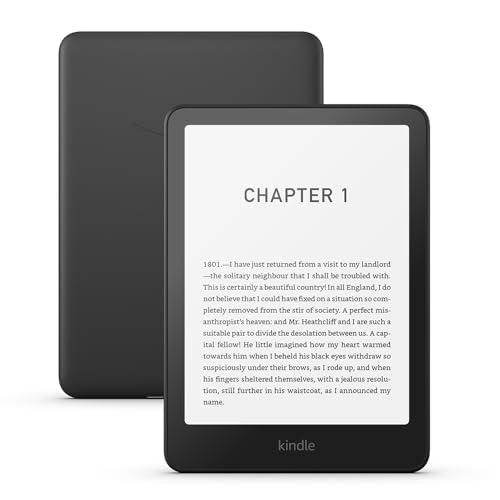
- Format support: Your cheap eReader should still support the file types you actually use. Kindle handles Amazon formats best and converts EPUB through Send to Kindle, while Kobo and PocketBook are usually more flexible with EPUB, PDF, and sideloaded files. This matters because a cheap device loses much of its value if it forces you into awkward file conversion for everyday reading.
- Store ecosystem: The ecosystem determines where you buy books, how you borrow library titles, and how locked-in the device feels over time. Amazon gives you the strongest store integration, Kobo is stronger for open EPUB workflows and OverDrive, and Android-based options allow the widest app choice at the cost of more complexity. Even in a cheap tier, ecosystem fit often matters more than a small hardware difference.
- Design and controls: Cheap eReaders vary a lot in grip, bezel size, button layout, and overall comfort. Some stay very compact and simple, while others add page-turn buttons or a shape that is easier to hold for long sessions. If you read one-handed often, physical ergonomics can matter more than a small spec upgrade.
- Display quality: Cheap models can still differ a lot in front light quality, contrast, and text sharpness. Some stay closer to basic monochrome reading, while stronger cheap options reach 300 PPI and more modern Carta panels. This is one of the few upgrades you feel immediately every time you turn a page.
- Connectivity: Wi-Fi is the real baseline because it keeps book sync, downloads, and firmware updates simple. Bluetooth is a bonus only if the model supports audiobooks, and USB-C is more convenient than older charging ports. Check these practical connections directly instead of assuming every newer cheap model includes them.
- Durability: Waterproofing, lower weight, and a sturdier shell can matter more than extra features on a budget device. Some readers remain simple but robust, while others save cost with lighter build quality and no water resistance. If the device will travel often or be used near a bath, kitchen, or pool, durability is worth checking directly.