Are Yamaha soundbars good?
Yamaha soundbars have an average overall score of 5.9, ranking #11 among all soundbar brands.
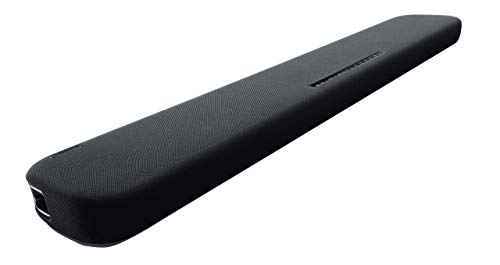
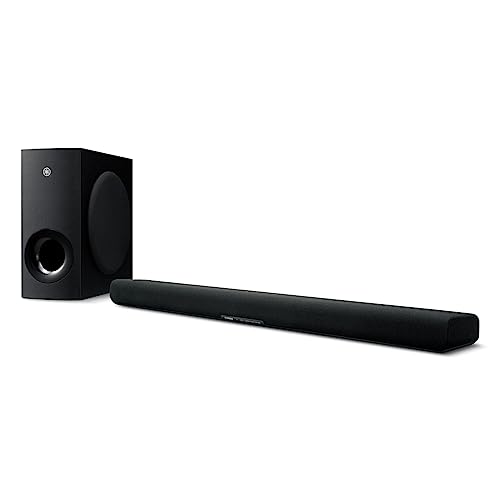
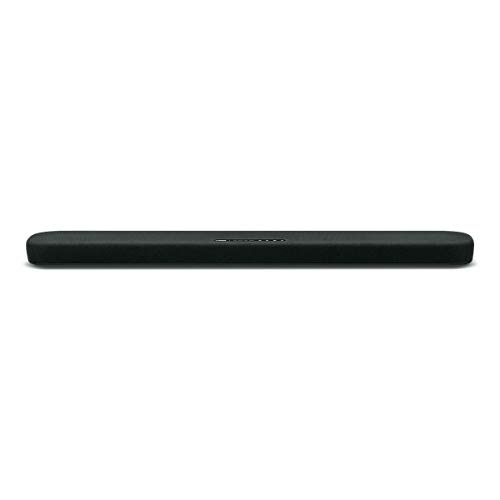
Yamaha soundbars are good if you want a compact TV-audio upgrade from an audio specialist rather than a very cheap basic bar. The brand's strongest mainstream profile is simple 2.1 sound, HDMI ARC or eARC, Bluetooth, and virtual-surround processing in a cabinet that still fits normal TV furniture.
The main reason to choose Yamaha is the balance between simple setup and audio-brand credibility. SR-B20A, SR-C20A, YAS-109, and SR-B30A cover the useful step from compact 2.1 playback to eARC and Dolby Atmos support.
The main limitation is that Yamaha's mainstream soundbars are not usually full surround packages by default. If you want bundled rear speakers, a separate subwoofer, Wi-Fi multi-room features, or a very high channel count, compare the exact Yamaha model carefully against Sonos, Sony, Samsung, or LG.
The best available Yamaha soundbars are as follows.
- Yamaha YAS-109 (Overall score: 6.44 points)
- Yamaha SR-B30A (Overall score: 6.08 points)
- Yamaha SR-B20A (Overall score: 5.67 points)
The following chart displays soundbar brands based on their overall score.
[horizontal-chart-04592904924512229361057660775741675581583712410342]
What are the main advantages of Yamaha soundbars?
The main advantages of Yamaha soundbars are as follows.
- Audio-brand focus: Yamaha is a long-running audio company, so its soundbars feel closer to compact audio products than generic TV accessories. That matters if you want a simple bar from a brand with speaker and AV-receiver history.
- 2.1 baseline: Yamaha commonly focuses on 2.1-channel soundbars in this class. That gives the brand a bass-channel structure without forcing buyers into a large surround package.
- ARC and eARC: Yamaha covers HDMI ARC on mainstream models and eARC on selected step-up models. SR-B30A is the stronger choice if the TV setup needs eARC and Dolby Atmos support.
- Virtual surround: Yamaha includes virtual-surround processing on selected models, including DTS Virtual:X on SR-B20A. This is useful when you want a wider presentation from a single front bar.
- Compact options: Yamaha has shorter models such as SR-C20A around 600 mm wide and wider bars around 890-910 mm. That makes it easier to match the bar to a bedroom TV or a wider living-room setup.
- Bluetooth playback: Bluetooth is a normal Yamaha soundbar feature. It keeps casual music playback simple without requiring a Wi-Fi audio ecosystem.
What are the main disadvantages of Yamaha soundbars?
The main disadvantages of Yamaha soundbars are as follows.
- Limited surround hardware: Yamaha's mainstream soundbars are usually front-bar systems, not full packages with rear speakers and a separate subwoofer. If you want physical surround speakers, compare carefully before buying.
- Mixed Atmos support: Dolby Atmos is not automatic across Yamaha soundbars. It appears on selected step-up models, while cheaper SR and YAS-style models stay with simpler virtual-surround or stereo-based playback.
- Wi-Fi variation: Wi-Fi is not a safe baseline for Yamaha soundbars. If app control, multi-room playback, AirPlay, or built-in streaming matters, check the exact model rather than assuming it is included.
- Modest channel counts: Yamaha is usually closer to 2.1 playback in this tier than to 5.1, 7.1, or 9.1-class systems. That limits how much separation and height it can deliver compared with premium cinema bars.
- Price overlap: Yamaha can cost more than basic budget brands while still lacking bundled rear speakers or a subwoofer. Make sure the price is buying the Yamaha processing and connection set you actually need.
Who makes Yamaha soundbars?
Yamaha soundbars are made by Yamaha Corporation, the Japanese company founded in 1887. Yamaha is one of the best-known names in audio and music products, with a product history that spans musical instruments, speakers, AV receivers, hi-fi components, headphones, and home-theater equipment.
That background matters because Yamaha is not just a TV accessory brand. Its soundbars sit inside a broader audio and home-cinema business, which helps explain why Yamaha focuses on compact sound processing, virtual-surround modes, and practical TV connectivity rather than only low-cost Bluetooth playback.
What are the main Yamaha soundbar series?
The main Yamaha soundbar series are as follows.
- SR series: SR models are Yamaha's mainstream compact soundbars. SR-C20A, SR-B20A, and SR-B30A cover the step from a smaller TV bar to wider 2.1 models and, on SR-B30A, Dolby Atmos with eARC.
- YAS series: YAS is Yamaha's older but still recognizable soundbar naming line. Models such as YAS-109 show Yamaha's practical 2.1 ARC soundbar approach with Bluetooth and a simple TV-focused setup.
- True X series: True X is Yamaha's newer wireless surround direction. It is the Yamaha family to check when you want a more expandable wireless ecosystem rather than only a basic one-bar soundbar.
How much do Yamaha soundbars cost?
Yamaha soundbars usually cost about £160-£270 for mainstream SR and YAS-style models.
The lower Yamaha tier includes SR-B20A around £160 and compact SR-C20A or YAS-109 models around £200. These are mainly 2.1 soundbars with ARC, Bluetooth, and virtual-surround-style playback rather than full surround hardware.
The higher mainstream step is around £260 for SR-B30A. That price makes more sense if you specifically want eARC and Dolby Atmos support in a still-simple Yamaha front-bar system.
How do Yamaha soundbars compare with Sonos models?
Yamaha soundbars usually compare with Sonos as the more traditional TV-audio option, while Sonos is stronger if you want a Wi-Fi-first multi-room ecosystem. Yamaha is better if you want a straightforward 2.1 soundbar with HDMI ARC/eARC, Bluetooth, and Yamaha sound processing; Sonos is better if app control, whole-home audio, and speaker expansion are the main priorities.
The Yamaha advantage is practical soundbar value. Its mainstream models cost less than many Sonos options and still cover useful TV basics such as ARC, eARC on selected models, Bluetooth, and virtual surround.
The Sonos advantage is ecosystem depth. Sonos gives you stronger Wi-Fi integration, multi-room control, and a clearer path from Ray to Beam, Arc, and Arc Ultra, while Yamaha is usually the simpler choice for a conventional TV soundbar.
What should you consider while choosing the best Yamaha soundbar?
The main things to check while choosing the best Yamaha soundbar are as follows.
- Model family: Start by separating compact SR-C models, mainstream SR-B models, older YAS models, and newer True X systems. A small SR-C soundbar is not trying to do the same job as a wider SR-B or a more expandable True X setup.
- ARC or eARC: Check the HDMI return-channel type. ARC is enough for many normal TV setups, but eARC is the stronger choice if you want better format support and a more future-proof connection. SR-B30A is the model to prioritize in this set if eARC matters.
- Atmos support: Do not assume Dolby Atmos on every Yamaha soundbar. SR-B30A includes Atmos, while SR-B20A, SR-C20A, and YAS-109 are simpler 2.1 models. Choose based on the formats you actually watch.
- Size and output: Yamaha ranges from compact models around 600 mm wide to wider bars around 890-910 mm. For a small bedroom TV, SR-C20A-style sizing is easier; for a main living-room TV, the wider SR/YAS models make more sense.
- Wireless features: Bluetooth is common, but Wi-Fi is model-dependent. If you want app control, multi-room audio, or a broader wireless ecosystem, verify the exact Yamaha model before buying.
- Bass expectations: Yamaha's mainstream bars use 2.1 layouts but do not automatically include a large separate subwoofer. If deep bass is a priority, compare the bass hardware and expansion options rather than relying only on the channel label.