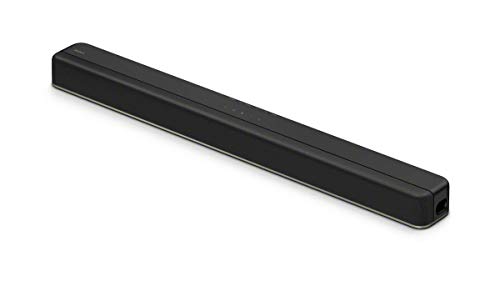
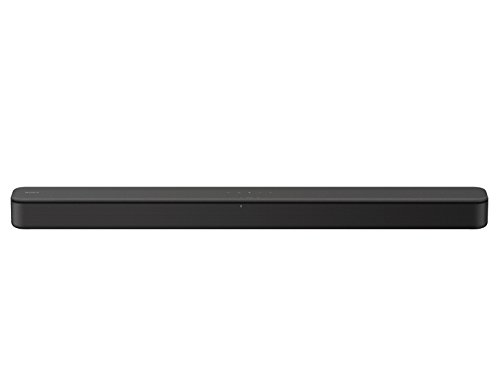
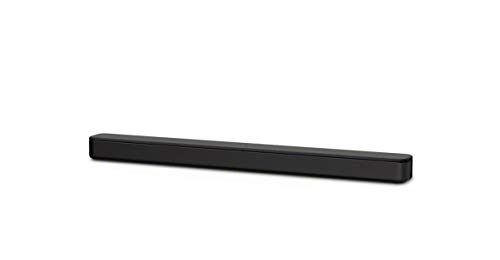
Are Sony soundbars good?
Sony soundbars have an average overall score of 7.7, ranking #2 among all soundbar brands, and a user rating of 8.9, placing them at #4 based on user reviews.
Sony soundbars are good if you want strong HDMI and cinema-format coverage in a front-bar design. The better Sony models combine eARC, Dolby Atmos, DTS:X, Wi-Fi, AirPlay, app control, dialogue enhancement, calibration, and channel layouts up to 7.1.2.
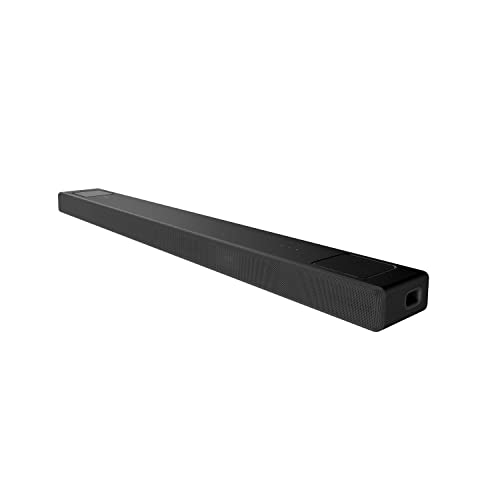
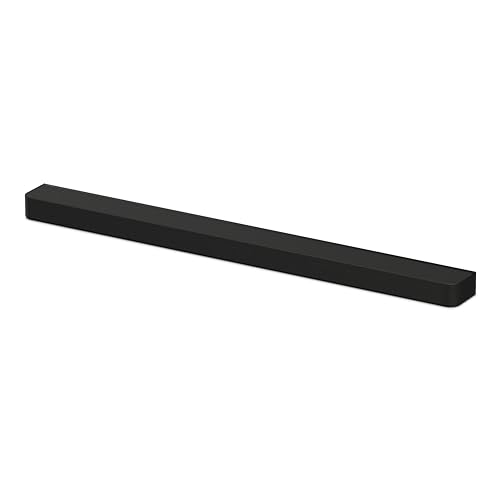
The Sony range has a clear split between basic and premium models. HT-SF150, HT-S100F, and HT-SF200 are simpler 2.0 or 2.1 TV-audio bars, while HT-X8500, HT-A5000, HT-A7000, and Bravia Theater Bar models are the serious Atmos options.
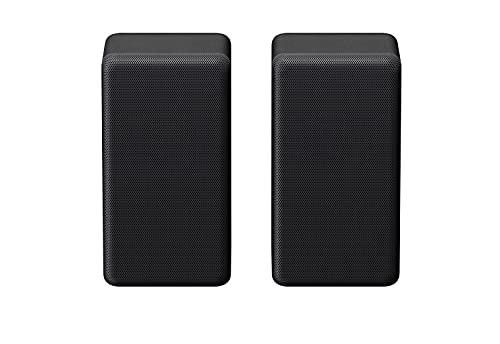
The main limitation is bundled hardware. Sony generally does not include a subwoofer or rear speakers in the box, so buyers who want heavier bass or real rear surround need to plan optional expansion rather than expecting a complete package immediately.
The best available Sony soundbars are as follows.
- Sony HT-A7000 (Overall score: 8.51 points)
- Sony HT-A5000 (Overall score: 8.45 points)
- Sony Bravia Theatre Bar 8 (Overall score: 8.2 points)
The following chart ranks soundbar brands by their overall scores.
[horizontal-chart-04592904924512229361057660775741675581583712410342]
What are the main advantages of Sony soundbars?
The main advantages of Sony soundbars are as follows:
- eARC coverage: Sony has eARC on most of its stronger soundbars, including HT-X8500, HT-A5000, HT-A7000, and Bravia Theater Bar models. That makes the better Sony bars more suitable for modern TV audio and Atmos handling than basic ARC-only designs.
- Atmos options: Sony offers Dolby Atmos across its premium and bridge models. HT-X8500 brings Atmos into a 2.1 layout, while HT-A5000, HT-A7000, Bravia Theater Bar 8, and Bar 9 add much larger channel layouts.
- DTS: X support: Many upper Sony models also support DTS:X. This gives Sony stronger format breadth than soundbars that focus only on Dolby formats.
- High layouts: Sony reaches 5.0.2, 5.1.2, 7.0.2, and 7.1.2 layouts in the upper range. These are more serious front-bar specifications than a basic 2.0 or 2.1 TV speaker replacement.
- Smart features: The higher Sony bars add Wi-Fi, AirPlay, app control, dialogue enhancement, and calibration. That makes them more complete as main living-room soundbars than the simpler HT-SF and HT-S entry models.
What are the main disadvantages of Sony soundbars?
Sony soundbars have the following main disadvantages:
- No bundled subwoofer: Sony soundbars generally do not include a subwoofer in the box. That keeps the package simpler, but it limits low-end impact unless the buyer adds compatible bass hardware separately.
- No bundled rears: Rear speakers are also not included as standard. Sony's premium bars can create a larger front stage, but real rear-channel separation still requires extra speakers.
- Wide premium bars: The strongest Sony models are physically large, with several premium bars around 1100-1300 mm wide. That is suitable for large TVs and wide cabinets, but it can be awkward under smaller screens.
- Basic entry models: HT-SF150, HT-S100F, and HT-SF200 are much simpler than Sony's Atmos bars. They are useful for TV dialogue and Bluetooth, but they should not be confused with the HT-A or Bravia Theater models.
- Higher prices: Sony climbs from about £90 entry bars to around £850 premium models. The higher price is mainly justified by eARC, Atmos, DTS:X, Wi-Fi, calibration, and higher channel layouts, not by a bundled subwoofer or rear-speaker package.
Who makes Sony soundbars?
Sony soundbars are made by Sony Group Corporation, the Japanese electronics and entertainment company known for TVs, audio products, cameras, game consoles, and home-cinema equipment.
Sony positions its soundbars around TV integration, HDMI/eARC handling, surround formats, and premium home-theater features. The range includes basic HT-S models for simple TV sound and more advanced HT-A and Bravia Theater bars for Atmos, DTS:X, room calibration, and larger front-stage layouts.
What are the main Sony soundbar series?
Sony soundbars are mainly split into basic HT-S/HT-SF models, HT-X bridge models, HT-A premium models, and Bravia Theater bars.
- HT-SF/HT-S: Sony HT-SF150, HT-S100F, and HT-SF200 are the basic TV-audio models. They use 2.0 or 2.1 layouts, Bluetooth, dialogue enhancement, and ARC/eARC depending on the model, but they do not offer the premium Atmos/DTS:X hardware of the higher lines. They make sense for simple TV sound rather than cinematic playback.
- HT-X: Sony HT-X8500 is the bridge model between entry bars and premium bars. It keeps a 2.1 layout but adds eARC, Dolby Atmos, DTS:X, app control, and stronger format support. It is the more technical choice if you want Sony format support without moving to a very wide bar.
- HT-A: Sony HT-A5000 and HT-A7000 are premium Sony soundbars. They move into 5.1.2 and 7.1.2 layouts with eARC, Dolby Atmos, Wi-Fi, AirPlay, app control, dialogue enhancement, and calibration. They are better suited to large TVs and users planning optional bass or rear expansion.
- Bravia Theater: Sony Bravia Theater Bar 8 and Bar 9 are newer premium TV-focused models. Bar 8 uses a 5.0.2 layout, while Bar 9 moves to 7.0.2. They are designed for higher-end Sony TV and home-cinema setups, with eARC, Atmos, DTS:X, Wi-Fi, AirPlay, app control, dialogue enhancement, and calibration.
How much do Sony soundbars cost?
Sony soundbars cost about £85 to £850, with the main price jump coming from eARC, Dolby Atmos, DTS:X, Wi-Fi, calibration, cabinet size, and the move from 2.0/2.1 layouts to 5.x and 7.x premium designs.
Sony HT-SF150, HT-S100F, and HT-SF200 form the entry tier at roughly £85-£170. These are mainly TV-audio bars with 2.0 or 2.1 layouts, Bluetooth, dialogue enhancement, and ARC/eARC depending on the model. They are not the right Sony tier for serious Atmos playback.
Sony HT-X8500 is the middle step at about £340. It is still a 2.1 bar, but eARC, Dolby Atmos, DTS:X, and app control make it much more format-focused than the entry HT-S models.
Sony HT-A5000, HT-A7000, Bravia Theater Bar 8, and Bravia Theater Bar 9 occupy the premium tier at roughly £680-£850. This tier is where Sony adds larger 5.0.2, 5.1.2, 7.0.2, and 7.1.2 layouts, Wi-Fi, AirPlay, room calibration, and stronger living-room hardware.
How do Sony soundbars compare with Samsung models?
Sony soundbars are usually stronger than Samsung models for eARC and premium front-bar channel layouts, while Samsung has more low-cost and subwoofer-included choices.
At the basic level, both brands offer simple 2.0 and 2.1 TV-audio bars. Sony HT-SF/HT-S models compete with Samsung C/T/N and basic B/S models, where the choice is mostly about ARC/eARC support, width, price, and whether a subwoofer is included.
In the middle and premium tiers, Sony emphasizes eARC, Dolby Atmos, DTS:X, Wi-Fi, AirPlay, calibration, and larger front-bar layouts such as 5.1.2, 7.0.2, and 7.1.2. Samsung counters with Q-series Atmos models, more subwoofer-included options, and Q-Symphony support, which lets compatible Samsung TVs play through the TV speakers and soundbar together.
The key trade-off is hardware package versus front-bar specification. Samsung is stronger if you want a bundled subwoofer at more price points or Samsung TV integration, while Sony is stronger if you want a premium eARC/Atmos/DTS:X bar with a larger front-stage layout and optional expansion path.
What should you consider while choosing the best Sony soundbar?
The main things to check while choosing the best Sony soundbar are as follows.
- Model line: Start by separating the range into HT-SF/HT-S, HT-X, HT-A, and Bravia Theater models. HT-SF and HT-S are the basic TV-sound bars, HT-X8500 is the compact format-focused step up, and HT-A or Bravia Theater are the real premium Sony lines. This is the most important comparison because the technical level changes sharply by series.
- Channel layout: Sony ranges from 2.0 and 2.1 up to 5.0.2, 5.1.2, 7.0.2, and 7.1.2. The lower layouts are mainly for clearer front-stage TV sound, while the 5.x and 7.x models are the serious options for film and gaming. Compare the exact layout because two Sony Atmos bars can still differ a lot in scale.
- HDMI level: ARC and eARC are not distributed evenly across the range. The premium Sony bars are the safer choice for modern TV-audio handling, while the entry models are simpler. If the setup includes a newer TV, console, or higher-bitrate audio formats, HDMI level should be checked early.
- Format support: Dolby Atmos and DTS:X are key separators inside Sony's lineup. HT-SF and HT-S models stay basic, HT-X8500 adds both formats in a smaller package, and HT-A or Bravia Theater models combine them with larger channel layouts. Compare formats together with layout, not as isolated feature badges.
- Smart features: Wi-Fi, AirPlay, app control, dialogue enhancement, and room calibration are concentrated in the upper Sony bars rather than spread evenly across the range. If you want more than a simple TV speaker replacement, check exactly which control and calibration features each Sony tier includes.
- Expansion path: Sony's higher bars are better if you want a system that can grow with optional bass or rear-speaker hardware. Entry bars are much simpler and are not the same kind of expansion platform. Compare expansion compatibility model by model before assuming every premium-looking Sony bar supports the same add-ons.
- Cabinet size: Sony premium bars can be much wider than the entry models, with several upper models around 1100-1300 mm. Match the bar width to the TV and furniture before choosing the highest channel layout. A large HT-A or Bravia Theater bar can be technically stronger but physically wrong for a smaller setup.