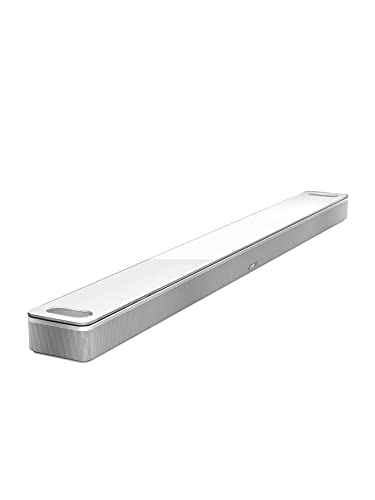
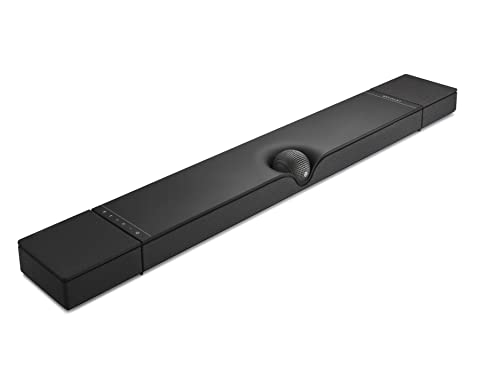
Which brands make the best 5.1 soundbars?
The best 5.1 soundbar brands are as follows:
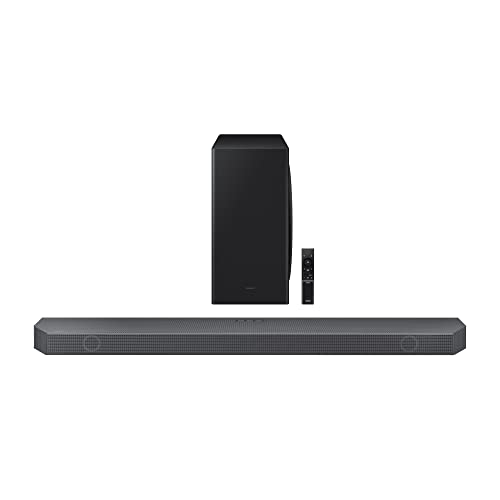
- Samsung (Average overall score: 8.6)
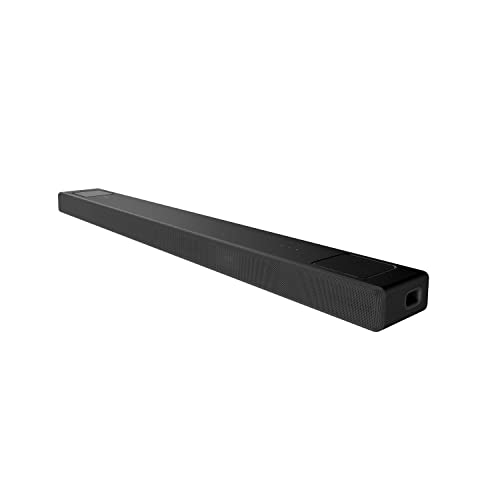
- Sony (Average overall score: 8.5)
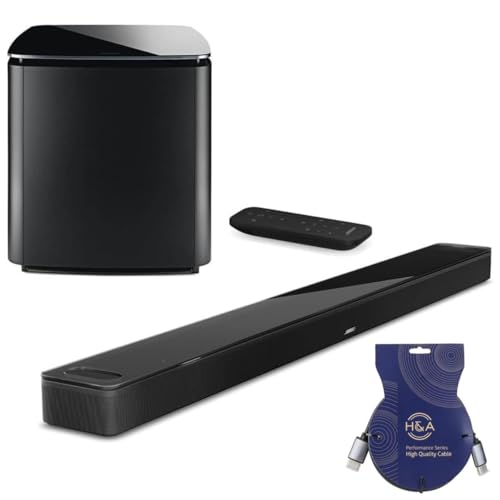
- Bose (Average overall score: 7.8)
The chart below ranks 5.1-class soundbar brands by average overall score in the current dataset.
[horizontal-chart-02029232998847823982026643498581453110423485891798]
What does 5.1 mean on a soundbar?
A 5.1 soundbar system means five main channels plus one low-frequency channel for bass. In practice, that usually means left, center, and right channels across the front, two surround channels, and a subwoofer or equivalent bass channel.
In the current Soundbars data, the models in this topic are mostly 5.1.2 and 5.1.4 systems rather than plain 5.1. That means the basic 5.1 structure is still there, but many modern premium bars now add height channels for Dolby Atmos on top of the traditional surround layout.
For buyers, the important takeaway is that 5.1 is about real surround intent, not just louder front speakers. The center channel helps dialogue, the subwoofer handles bass more convincingly, and the extra surround channels help films and games feel less narrow.
Who should consider buying a 5.1 soundbar?
A 5.1 soundbar makes the most sense for buyers who want more immersion than a basic TV-audio upgrade can deliver. It is a better fit for film-heavy viewing, console gaming, and larger living rooms where a 2.0, 2.1, or 3.1 bar can still sound too front-focused.
This topic is less relevant if your main goal is only clearer dialogue at low volume. A simpler 3.1 bar is often enough for everyday TV watching, especially in smaller rooms or apartments where rear speakers and heavier bass are harder to place well.
You should consider a 5.1-class soundbar if you are willing to give the system more space and you actually want surround-style playback. If you will never place rear speakers, never use the extra channels, or only watch casual TV, the extra complexity may not pay off.
Do you need rear speakers for real 5.1 sound?
Yes, rear speakers matter if you want real 5.1-style surround instead of a virtual surround effect from the front bar alone. They are what move ambient effects, directional cues, and background sound away from the TV wall and into the room.
The complication is that modern soundbar marketing often blurs the line between true and virtual surround. In the current 5.1-class subset, not every model includes physical rear speakers in the box, and some rely more on processing or optional expansion than on a fixed rear-speaker package.
So if true surround matters to you, check whether rear speakers are actually included, optional, or only simulated. A soundbar can be sold as premium and immersive without giving you the same rear-channel effect as a system with real speakers behind the seating position.
What room setup matters for a 5.1 soundbar?
The most important room-setup factors for a 5.1 soundbar are rear-speaker placement, seating position, and enough space for the system to spread sound properly. A 5.1-style system needs more than just a TV stand; it works best when the room gives the surround channels somewhere meaningful to go.
That usually means a living room where the seating position is not pushed hard against the back wall and where rear or surround speakers can sit behind or slightly to the side of the listener. If the room is too cramped, the extra channels often bring less benefit than they do in a more open layout.
Subwoofer placement matters too. A 5.1-class bar is usually trying to create scale as well as clarity, so the room setup should leave enough freedom for bass placement, cable access or wireless pairing, and a front bar width that still looks balanced under the TV.
How much do 5.1 soundbars usually cost?
The best 5.1 soundbars usually start around 500-£550, move into roughly 600-£850 for stronger step-up models, and often go well above £850 at the premium end. In the current 5.1-class subset, the average price is about £1,100, which shows how far this topic sits above the budget soundbar market.
This is not a category built around cheap TV-audio upgrades. In the current data, almost all 5.1-class models sit above £550, and most are above £850, which reflects the extra speakers, processing, surround hardware, and Atmos capability bundled into this segment.
You pay for more than just louder sound here. The premium is usually tied to real surround structure, better bass support, rear-speaker options, and more advanced cinematic playback than a simpler 2.1 or 3.1 system can offer.
What should you consider while choosing a 5.1 soundbar?
The main things to check while choosing a 5.1 soundbar are as follows.
- Real channel layout: Check whether the system is plain 5.1 or a 5.1.2 / 5.1.4 variation with height channels. That changes how cinematic the setup can become and how much of the budget is going toward classic surround versus Atmos-style immersion. If you mainly want stronger surround around the seating position, a well-executed 5.1 layout can matter more than simply adding more channels on paper.
- Rear speakers: Confirm whether rear speakers are included, optional, or only simulated through processing. This is one of the biggest differences in real surround performance, because physical speakers behind or beside the seating position create a much more convincing wraparound effect. If the product depends on optional rears, check the extra cost and whether you are realistically willing to place them in the room.
- Subwoofer setup: A 5.1-class soundbar should handle bass more seriously than a basic bar. Check whether the subwoofer is included, wireless, and easy to place, because low-frequency performance is a big part of why buyers move up to this segment in the first place. A system that looks strong on paper can still disappoint if the subwoofer is too small, awkward to place, or hard to integrate cleanly into the room.
- Dolby Atmos: In this segment, Atmos is very common. Decide whether you actually want the extra height channels or whether a simpler surround setup is enough, because Atmos can raise the price without always giving a big benefit in a smaller or less ideal room. It matters most if you watch films and games that are mixed well for it and if your room layout lets the effect work properly.
- HDMI ARC / eARC: With premium soundbars, connection quality matters even more. eARC is usually the safer choice if you want the best compatibility with higher-end audio formats, newer TVs, and fewer limitations when switching between streaming apps and external devices. A premium 5.1 system is harder to justify if the TV connection itself becomes the bottleneck.
- Room placement: A 5.1 system needs more space than a simple soundbar. Think about rear-speaker position, seating distance, and subwoofer placement before you buy, because the surround benefit falls quickly when the room cannot support the layout. This is especially important if the sofa is pushed against the wall or if rear-speaker placement would force a compromise you probably will not maintain long term.
- Width and furniture fit: These systems are usually not compact. Make sure the main bar still fits cleanly under the TV and on your furniture, and that the visual footprint makes sense in the room instead of dominating it. A 5.1-class system should feel like an upgrade in sound, not like an awkward compromise in placement.
- Price realism: This is a premium segment, so check whether you really need full surround hardware or whether a good 3.1 or 5.0 bar would already meet your needs. Many 5.1-class models sit well above £550, and the strongest ones are often above £850, so the extra spend should match a real use case such as film-heavy viewing, gaming, or a larger living room. If your main goal is only clearer dialogue and fuller everyday TV sound, a simpler system may give better value.
A 5.1 soundbar is usually the right choice when you want a more cinematic and spacious result than a simpler soundbar can deliver. If your room, budget, or setup patience is limited, a lower-channel system may still be the smarter buy.