



Are PocketBook eReaders good?
PocketBook eReaders have an average overall score of 7.2, ranking #2 among all eReader brands.
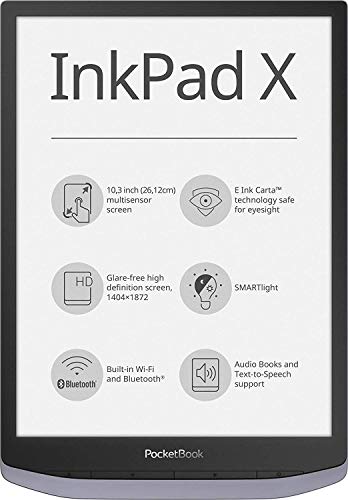
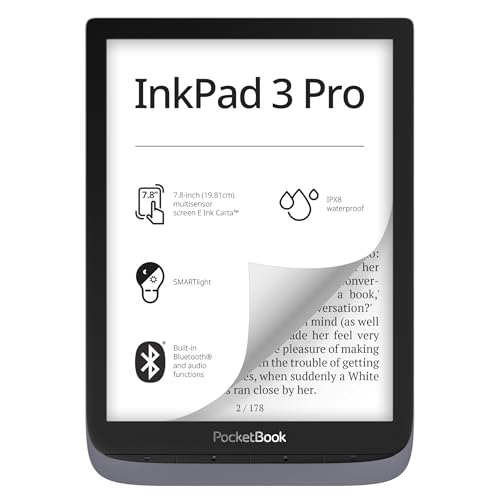
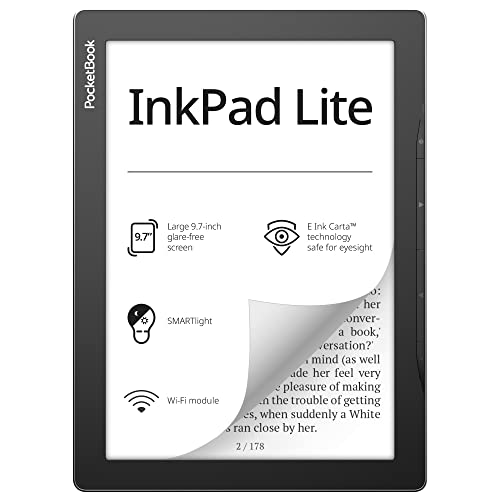
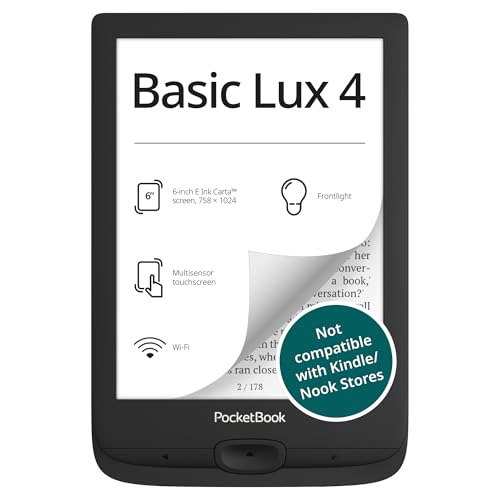
PocketBook models are usually strongest in format support, sideloading flexibility, and lineup breadth across compact readers, larger InkPad devices, color models, and some waterproof options. The brand is more open-file-friendly than closed bookstore ecosystems, which makes it attractive for EPUB, PDF, comics, and text-to-speech use cases.
The main trade-off is that the ecosystem is less dominant than Kindle's and overall software polish can vary more by model tier. PocketBook is usually the right choice for buyers who care more about open-format reading and file flexibility than about staying inside one large ebook store.
The PocketBook eReaders with the highest overall scores are as follows:
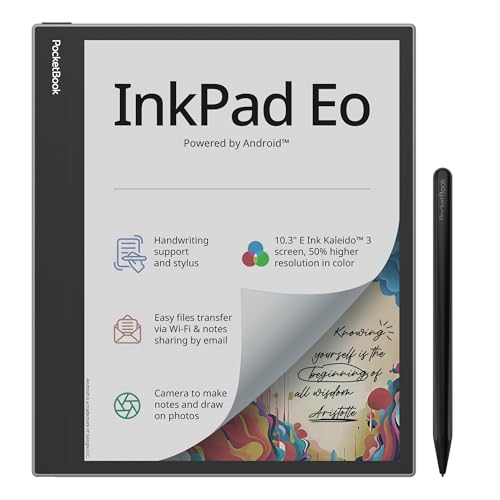
- Pocketbook Inkpad Eo Overall score: 8.17
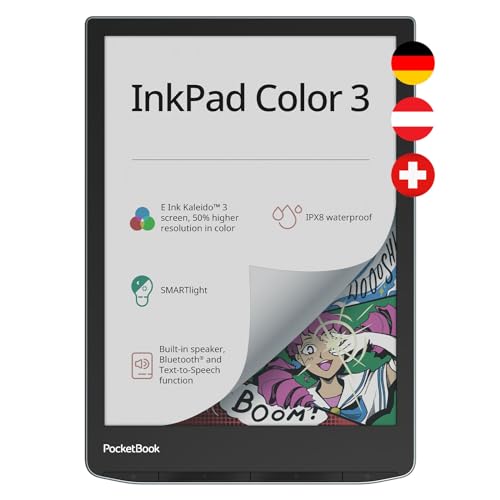
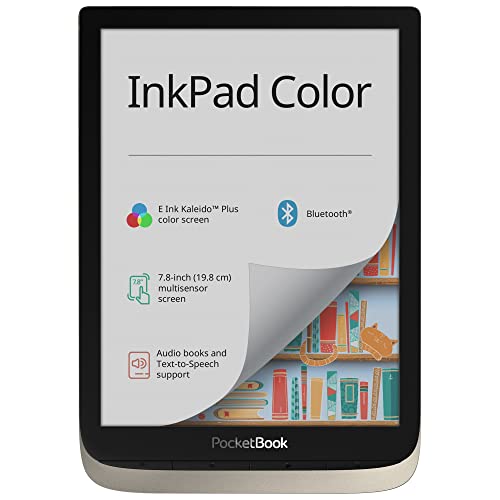
- Pocketbook Inkpad Color 3 Overall score: 7.48
- Pocketbook Inkpad Color 2 Overall score: 7.46
eReader brands are compared by overall score in the following chart.
[horizontal-chart-03443204806401273189021830265755694920453923569808]What are the main advantages of PocketBook eReaders?
The main advantages of PocketBook eReaders are as follows.
- Format support: PocketBook is one of the strongest brands for broad file compatibility, with support well beyond basic EPUB and PDF. This matters if you read mixed ebook, comic, or document libraries and do not want constant file conversion.
- Audio features: Many PocketBook models support Bluetooth, text-to-speech, or audiobook playback, which is still not standard across all eReader brands. That makes the lineup more flexible for buyers who mix reading with listening.
- Display options: PocketBook covers monochrome Carta screens, color E Ink variants, compact readers, and large InkPad devices. This broader hardware spread gives the brand a more varied reading profile than many smaller eReader makers.
- Open ecosystem: PocketBook is less tied to one dominant bookstore than Kindle, so the devices work well for sideloading, library books, and mixed purchasing sources. That openness is one of the brand's clearest selling points.
- Physical controls: Many PocketBook models keep page-turn buttons alongside touch input, which improves one-handed reading comfort. This is especially useful if you prefer tactile controls over an all-touch interface.
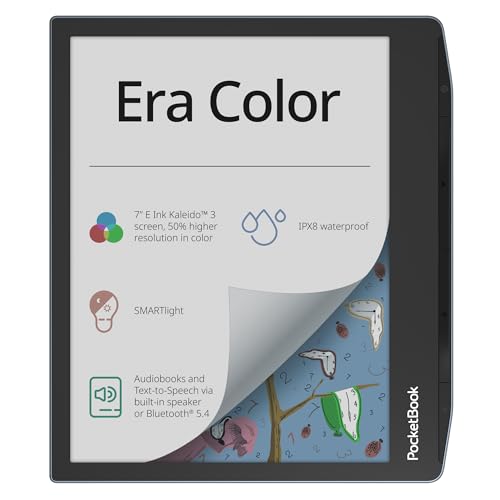
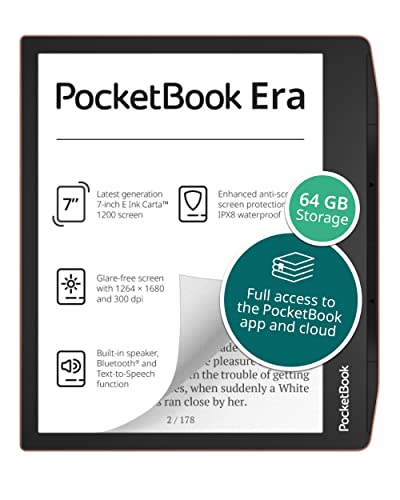
- Model range: PocketBook covers entry-level Basic readers, premium compact Era devices, color options, and large InkPad hardware. That gives buyers a more complete ladder from simple reading to richer document or comic use.
What are the main disadvantages of PocketBook eReaders?
The main disadvantages of PocketBook eReaders are as follows.
- Inconsistent speed by tier: Some PocketBook models feel slower than current Kindle, Kobo, or faster Android-based readers, especially on heavier PDFs or larger interfaces. Performance varies more across the range than the brand's broad format support might suggest.
- Smaller ecosystem: PocketBook is more open than Kindle, but it does not have the same dominant store presence or app ecosystem. Buyers who want the simplest mainstream buying experience may still prefer Amazon or Kobo.
- Interface polish: PocketBook software is capable, but the interface can feel less polished or less immediate than the strongest Kindle or Kobo models. This is usually more about smoothness and presentation than about missing core reading functions.
- Higher prices on richer models: Once you move into Era, InkPad, or color variants, PocketBook prices rise quickly. At that point the buyer needs to value the open-format flexibility and extra hardware, not just the brand name.
- More fragmented lineup: PocketBook has more model naming overlap than some cleaner brand ladders, which can make it harder to compare products quickly. Buyers often need to check exact model specs instead of assuming the family name tells the full story.