Are Panasonic soundbars good?
Panasonic soundbars have an average overall score of 5.3, ranking #19 among all soundbar brands.
Panasonic soundbars are good if you want a simple TV-audio upgrade from a familiar electronics brand. Panasonic's mainstream SC-HTB-style models focus on HDMI ARC, Bluetooth, 2.0 or 2.1 layouts, and compact cabinets rather than premium surround hardware.
The main reason to choose Panasonic is straightforward TV compatibility at a low-to-mid budget. SC-HTB100, SC-HTB200, SC-HTB208, and SC-HTB400 cover the step from basic 2.0 playback to a wider 2.1 model with higher output.
The main limitation is that Panasonic is not the strongest choice if you want an advanced soundbar ecosystem. Dolby Atmos, DTS:X, eARC, Wi-Fi, rear speakers, and separate subwoofers are not the main strengths of these SC-HTB-style models.
The best available Panasonic soundbars are as follows.
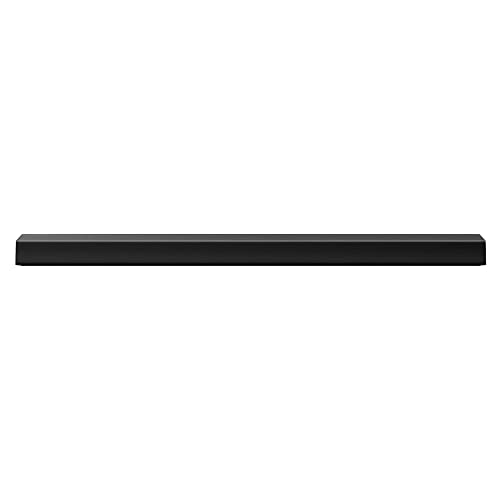
- Panasonic SC-HTB400 (Overall score: 5.4 points)
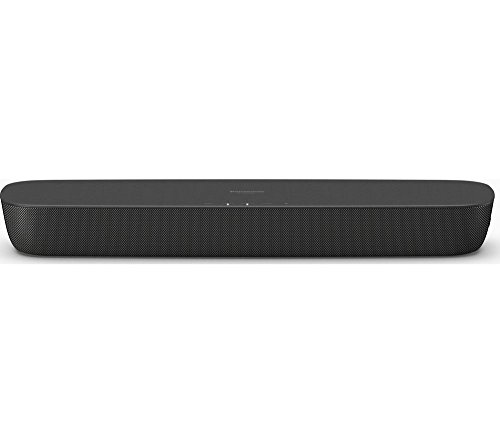
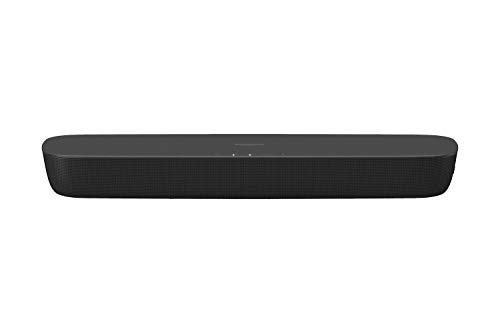
- Panasonic SC-HTB208 (Overall score: 5.38 points)
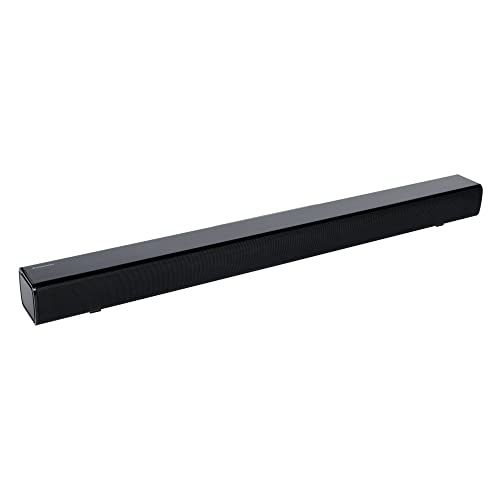
- Panasonic SC-HTB200EB (Overall score: 5.27 points)
The following chart ranks different soundbar brands by their overall score.
[horizontal-chart-04592904924512229361057660775741675581583712410342]
What are the main advantages of Panasonic soundbars?
The main advantages of Panasonic soundbars are as follows.
- Low pricing: Panasonic soundbars are often positioned as affordable TV-audio upgrades. That makes the brand easier to consider if you want better TV sound without moving into premium Atmos pricing.
- TV-brand fit: Panasonic is a broad TV and electronics brand, so its soundbars make sense as simple TV companions. They are usually easier to understand as practical living-room upgrades than as specialist hi-fi products.
- HDMI ARC baseline: Panasonic commonly covers HDMI ARC on SC-HTB-style models. That is the key TV connection to check if you want one-cable sound and easier remote-control behavior.
- Bluetooth playback: Bluetooth is a normal Panasonic soundbar feature. It gives you quick phone or tablet playback without needing Wi-Fi, an app platform, or a multi-room system.
- Compact options: Panasonic has compact 450 mm models as well as wider bars around 762-962 mm. That gives you a choice between small-room placement and a bar that looks more natural under a larger TV.
- Simple channels: Panasonic mainly covers 2.0 and 2.1 layouts in this mainstream tier. That keeps setup easy and avoids the placement complexity of rear speakers or large surround packages.
What are the main disadvantages of Panasonic soundbars?
The main disadvantages of Panasonic soundbars are as follows.
- Limited premium tier: Panasonic is not the first brand to choose for Dolby Atmos, DTS:X, eARC, or high-channel surround systems. Its stronger role is simple TV sound rather than immersive cinema hardware.
- Basic channels: Panasonic SC-HTB-style models are usually closer to 2.0 and 2.1 playback than to 3.1, 5.1, or 7.1 systems. That limits dialogue separation and surround effects compared with stronger home-cinema bars.
- No strong ecosystem: Panasonic is not mainly a Wi-Fi multi-room or app-first soundbar brand. If streaming ecosystem features matter, compare it with Sonos, Bose, Samsung, LG, or Sony.
- Bass limits: Some Panasonic models are compact 2.0 bars or 2.1 bars without a large separate subwoofer. If strong low-end impact matters, check the exact bass design and output before buying.
- HDMI limits: HDMI ARC is useful, but mainstream Panasonic SC-HTB-style models do not build a deep HDMI switching setup. If you need HDMI inputs, 4K pass-through, or eARC, compare the exact model carefully.
Who makes Panasonic soundbars?
Panasonic soundbars are made under the Panasonic brand, which belongs to Panasonic Holdings Corporation. Panasonic is a Japanese electronics company founded by Konosuke Matsushita in 1918 and has long operated across TVs, home appliances, batteries, cameras, and consumer audio products.
That background matters because Panasonic soundbars are part of a broad home-electronics portfolio rather than a soundbar-only brand. The brand's soundbars are usually best understood as practical TV accessories from a major electronics company, with the strongest fit being simple TV setup and everyday reliability.
What are the main Panasonic soundbar series?
The main Panasonic soundbar line to know is SC-HTB. This is the naming used across many Panasonic soundbars, including compact 2.0 models and wider 2.1 TV-audio models.
In practical terms, compare Panasonic SC-HTB models by size, channel layout, output, and HDMI ARC support. Compact models such as SC-HTB200 / SC-HTB208 are closer to small-TV upgrades, while wider models such as SC-HTB400 are more relevant when you want a stronger bar for a main TV.
How much do Panasonic soundbars cost?
Panasonic soundbars usually cost about £70-£230 for mainstream SC-HTB-style models.
The cheaper Panasonic tier is around £70-£120. That covers basic 2.0 ARC and Bluetooth soundbars such as SC-HTB100, SC-HTB200, and SC-HTB208, where the main goal is a simple TV-audio upgrade.
The stronger Panasonic step is around £230 for SC-HTB400. That price buys a wider cabinet, a 2.1 layout, about 160 W output, HDMI ARC, and Bluetooth rather than premium Atmos or Wi-Fi ecosystem features.
How do Panasonic soundbars compare with Sony models?
Panasonic soundbars usually compare with Sony as the simpler and cheaper option, while Sony has the stronger premium ladder. Panasonic is better if you want a low-cost ARC and Bluetooth TV bar; Sony is stronger if you want eARC, Dolby Atmos, DTS:X, Wi-Fi, higher channel counts, and larger flagship models.
The Panasonic advantage is price and simplicity. The SC-HTB-style range covers practical 2.0 and 2.1 soundbars without pushing buyers into premium home-cinema pricing.
The Sony advantage is technical depth. Sony covers entry 2.0 bars, 2.1 eARC/Atmos models, and high-end Bravia Theater or HT-A models with stronger channel layouts and output, so it gives buyers more upgrade paths.
What should you consider while choosing the best Panasonic soundbar?
The main things to check while choosing the best Panasonic soundbar are as follows.
- Channel layout: Start by choosing between 2.0 and 2.1. A 2.0 Panasonic bar is enough for basic TV clarity, while a 2.1 model such as SC-HTB400 is the better choice if you want more bass structure and higher output.
- TV connection: HDMI ARC is the key Panasonic connection to check. It is the feature that makes the bar easier to use with a TV remote and one cable. Do not assume eARC or HDMI pass-through unless the exact model lists it.
- Cabinet width: Panasonic ranges from compact 450 mm bars to wider models around 762-962 mm. A compact model is easier to place under a small TV, while the wider SC-HTB400-style size fits a main living-room TV better.
- Output power: Panasonic mainstream models can range from about 45 W to 160 W. For a small bedroom or secondary TV, the lower-output models may be enough; for a larger room, prioritize the stronger 2.1 model.
- Bass design: Check whether the soundbar has a real 2.1 layout or only basic stereo playback. Panasonic's compact bars are not the same as a system with a large separate subwoofer, so do not expect deep cinema bass from the smallest models.
- Premium features: Treat Dolby Atmos, DTS:X, eARC, Wi-Fi multi-room, rear speakers, and HDMI switching as model-specific requirements to verify separately. Panasonic is usually a better fit for simple ARC and Bluetooth TV audio than for premium surround-system shopping.