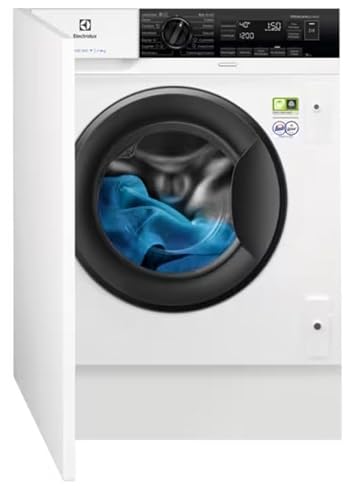
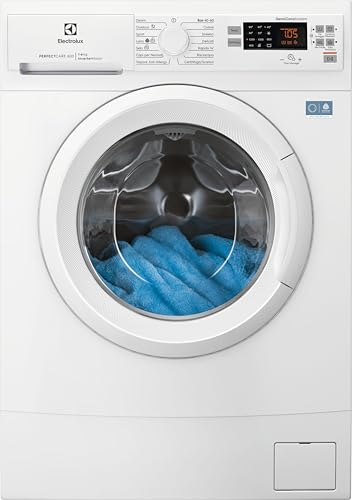
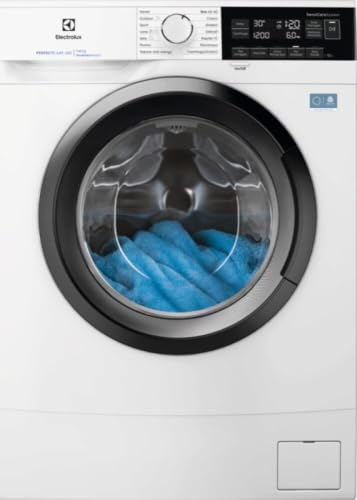
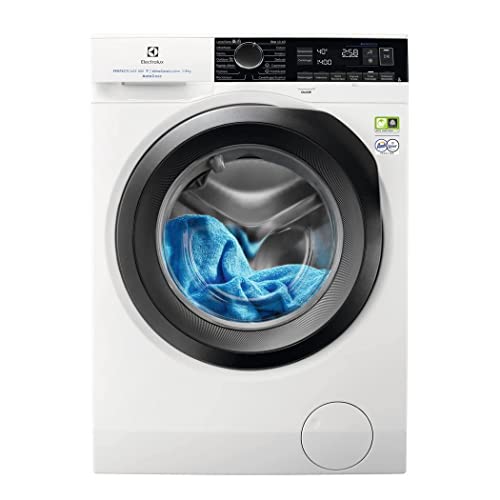
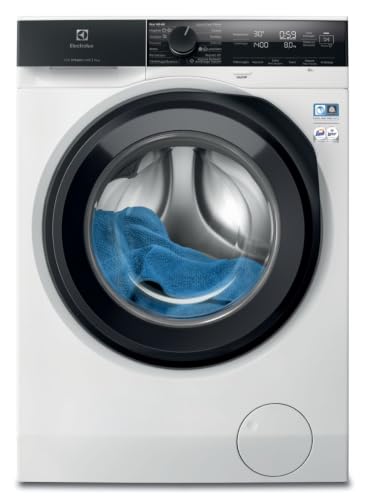
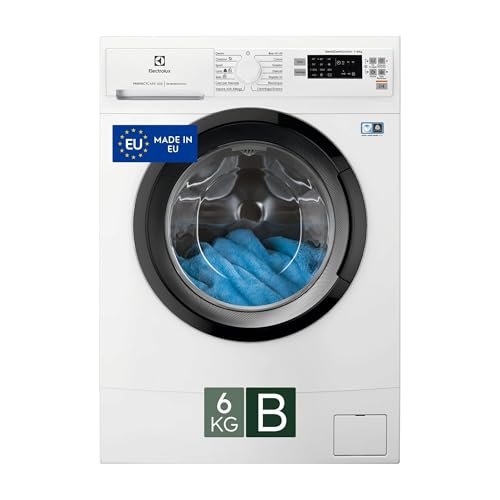
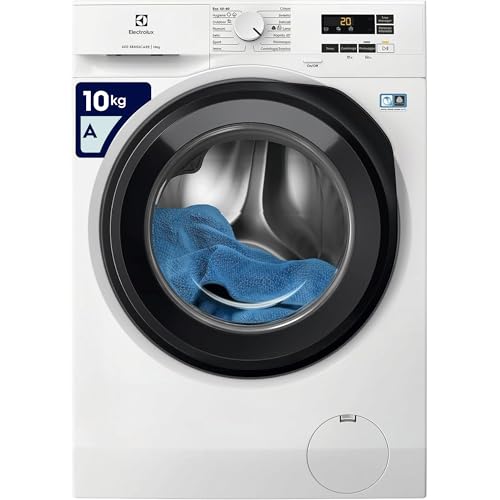
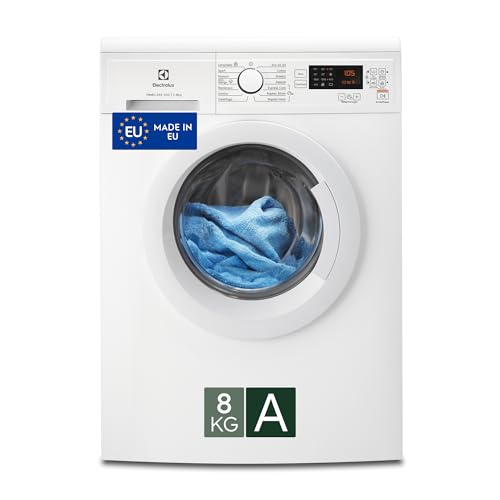
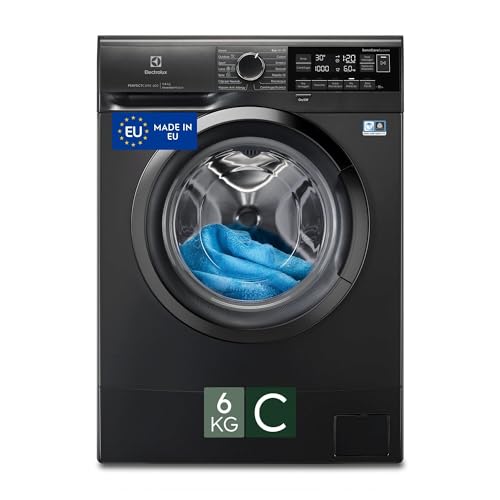
To select the best Electrolux washing machine, consider factors such as capacity, drum volume, dimensions, energy consumption, water consumption, spin efficiency, noise level during washing, motor type, washing programs, and available functions.
Front-loading or top-loading: which type of Electrolux washing machine is better?
Electrolux front-loading washing machines score higher than top-loading models (7.8 vs 6.5 points). About 60-70% of Electrolux washing machines are front-loading.
The distribution of Electrolux washing machines by load type is shown in the chart below.
[pie-chart-25950792]
Electrolux front-loading washing machines offer the following advantages over top-loading models:
- Better review scores: Electrolux front-loading washing machines have an average rating of 7.9 points, compared to 8.1 points for top-loading models.
- Higher capacity: Electrolux front-loading washing machines have an average capacity of 8 kg, while top-loading models average 6 kg.
- Larger drum volume: Front-loading models have an average drum volume of 52 L, compared to 42 L for top-loading models.
- Better energy class: 57% of Electrolux front-loading washing machines are class A, while none of the top-loading models reach this class; 16.7% of top-loading machines fall into class B.
- Lower energy consumption: Front-loading models consume an average of 49 kWh per 100 cycles, while top-loading models consume 62 kWh.
- Higher maximum spin speed: Front-loading models reach a maximum spin speed of 1400 RPM, compared to 1200 RPM for top-loading models.
- Quieter operation: Front-loading models operate at an average noise level of 75 dB with a noise emission class of B; top-loading models average 78 dB with a noise emission class of C.
- Slimmer design: Front-loading Electrolux washing machines are on average 6 cm slimmer (54 cm vs 60 cm for top-loading models).
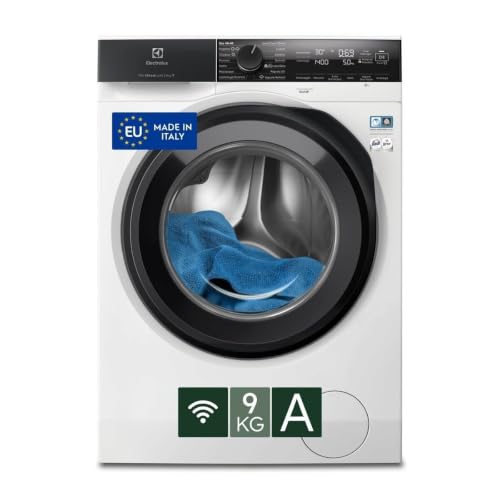
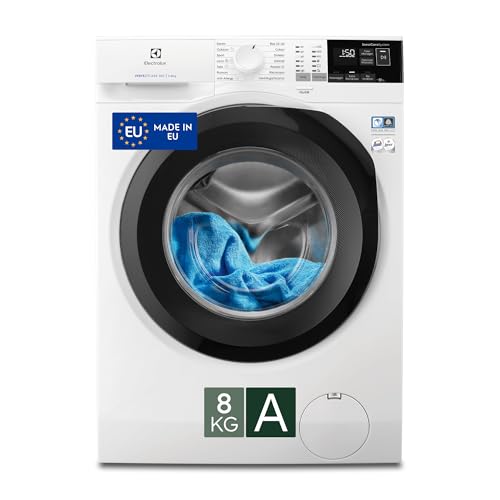
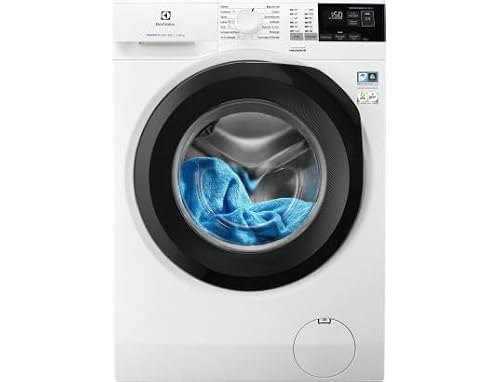
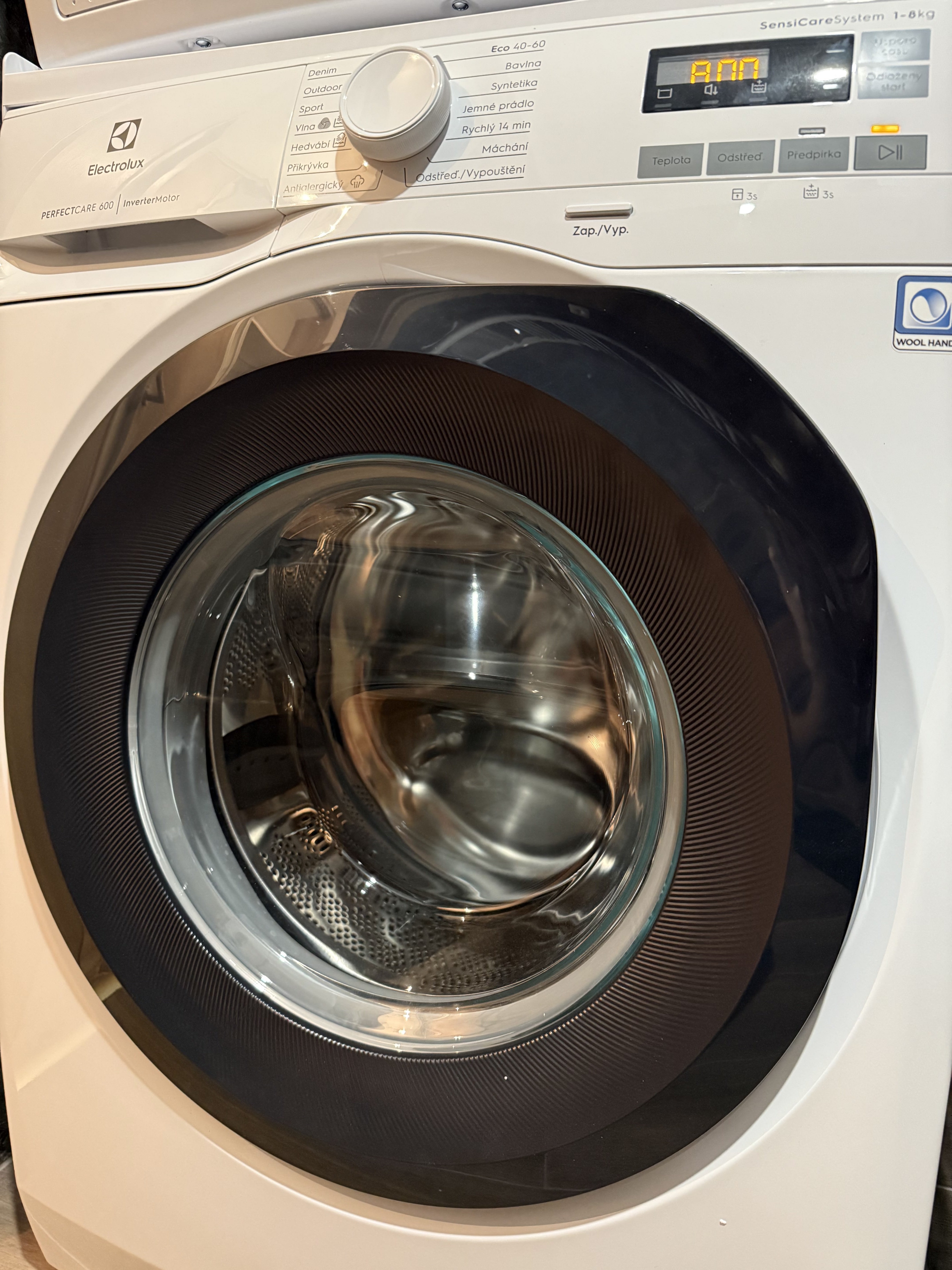
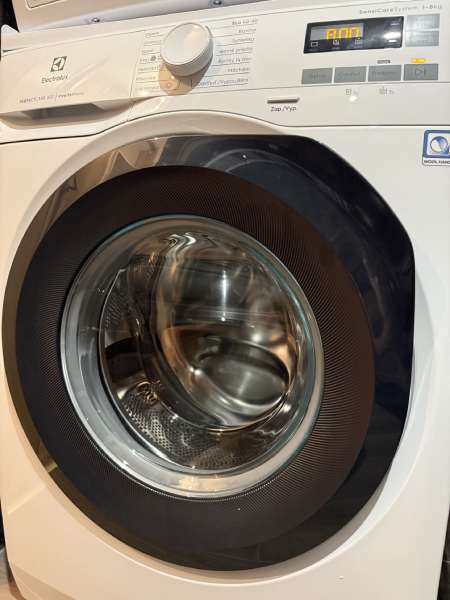
The image below shows an Electrolux front-loading washing machine from the PerfectCare 600 series.
Electrolux top-loading washing machines offer the following advantages over front-loading models.
- Lower cost: Electrolux top-loading washing machines cost on average £20 less (£410 vs £430 for front-loading models).
- Higher popularity: Electrolux top-loading washing machines have a better average popularity score (1 points vs 1.7 points for front-loading models).
- Lower water consumption: Top-loading models use less water on average (41 litres vs 43 litres for front-loading models).
- Lighter weight: Top-loading washing machines weigh 11 kg less (58 kg vs 69 kg for front-loading models).
- Easier access: Top-loading washing machines are simpler to load and unload.
- Smaller footprint: Top-loading washing machines occupy less space (0.21 m³ vs 0.26 m³ for front-loading models) and are approximately 20 cm slimmer (40 cm vs 60 cm for front-loading models).
- Less prone to issues: Top-loading washing machines are less likely to develop mould or odours.
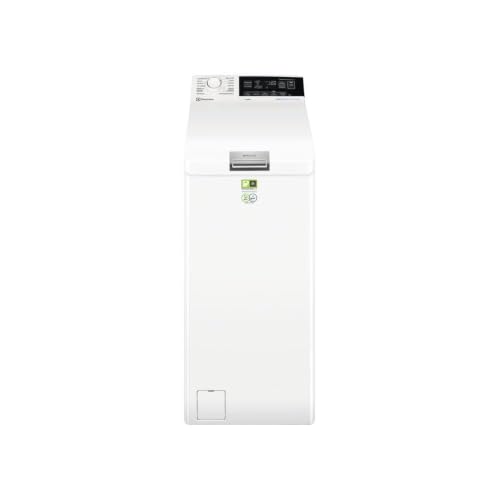
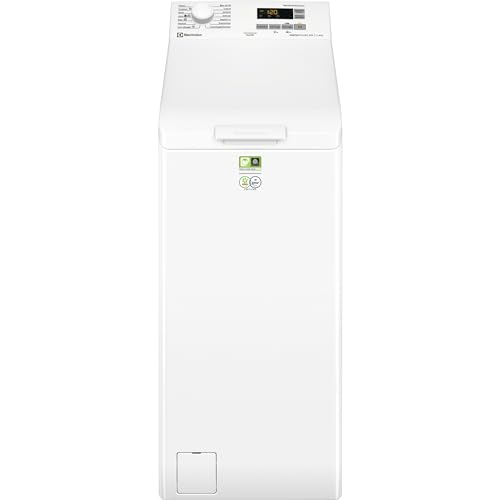
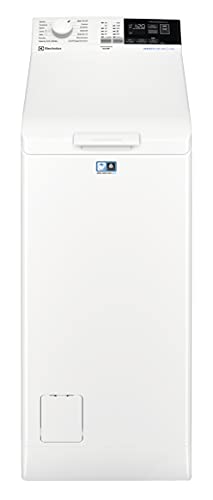
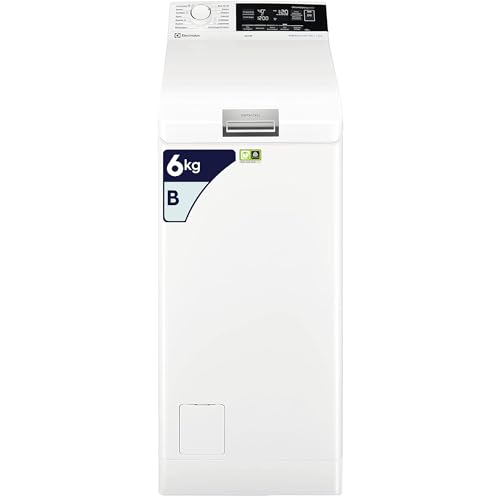
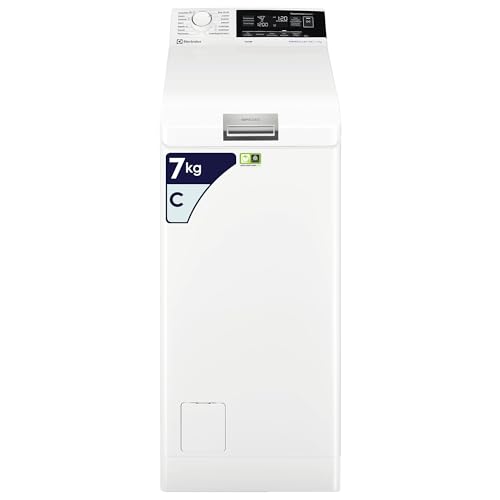
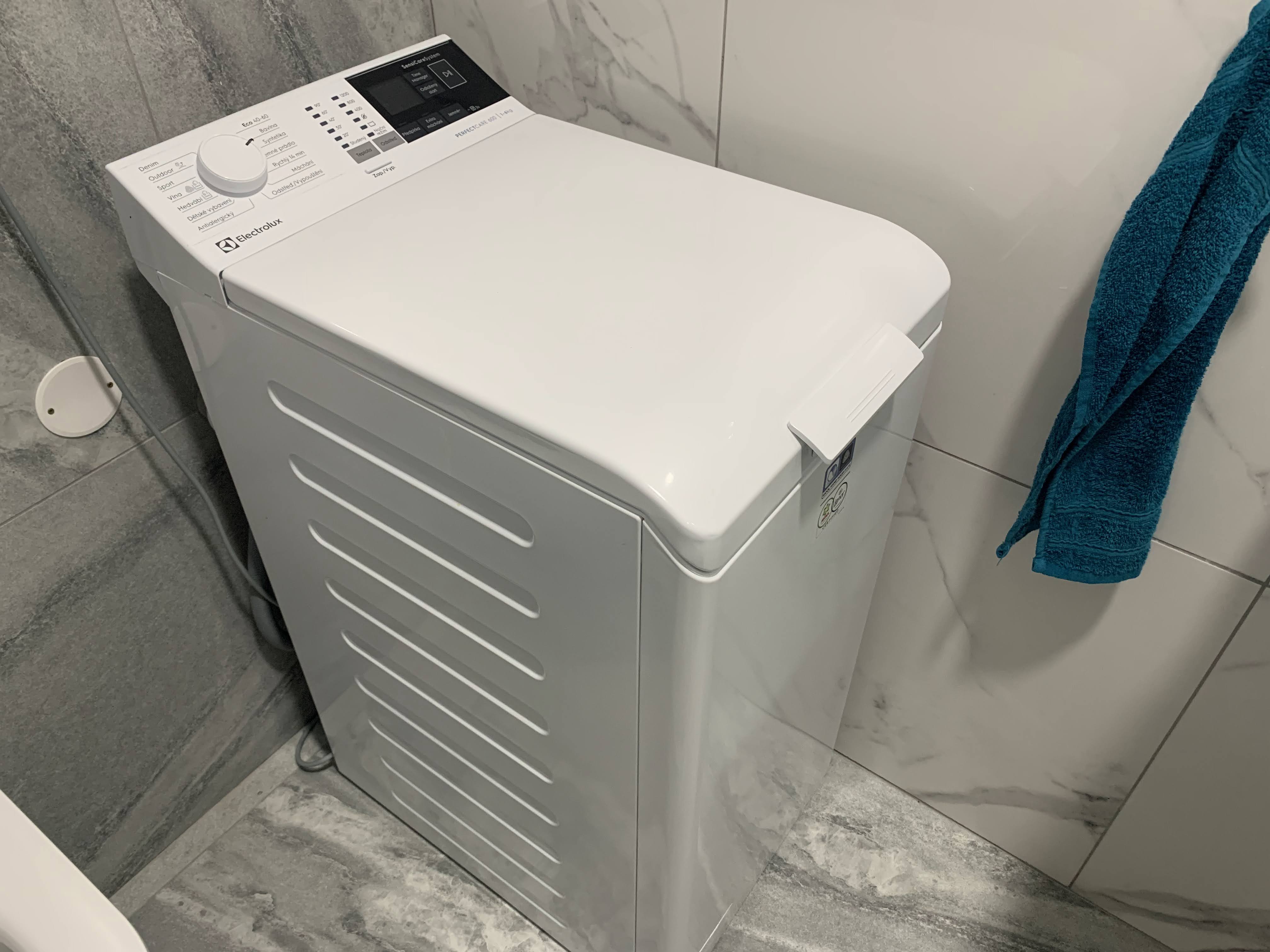
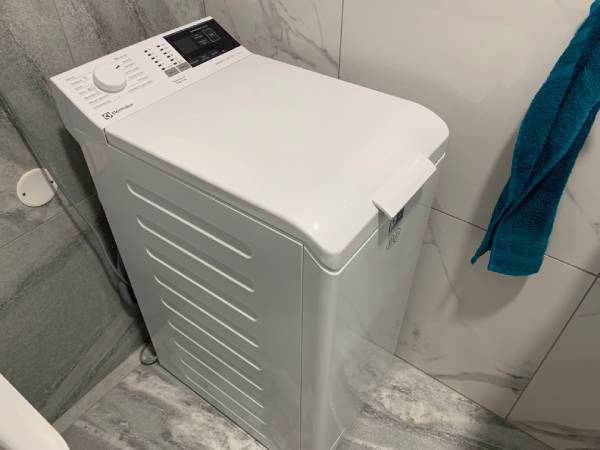
The image below shows an Electrolux top-loading washing machine from the PerfectCare 600 series.
What capacities are available for Electrolux washing machines?
Electrolux washing machines have capacities ranging from 6 to 10 kg, with drum volumes between 40 and 52 litres. The most common capacities are 6 kg (39% of the models) and 8 kg (22% of the models).
Choose a 6 kg washing machine if you have a small household or limited space. An 8 kg washing machine is ideal for medium-sized families. Larger families might prefer models with 9 or 10 kg capacities, which can efficiently handle bigger loads.
The chart below shows the distribution of Electrolux washing machine capacities.
[pie-chart-81515452]
Depth ranges from 54 to 60 cm, so Electrolux does not offer slim models. If you're looking for a slim washing machine, consider other brands. Front-loading models have a width of 60 cm, while top-loading models are 40 cm wide, following market standards.
What is the energy efficiency of Electrolux washing machines?
Electrolux washing machines are energy efficient. Energy classes range from A to E, with A being the most common. Approximately 0% of Electrolux washing machines belong to class A, 0% to class B, 0% to class C, 0% to class D, and 0% to class E. Electrolux does not offer models in class F or G.
The chart below illustrates the distribution of energy classes for Electrolux washing machines.
[pie-chart-47383741]
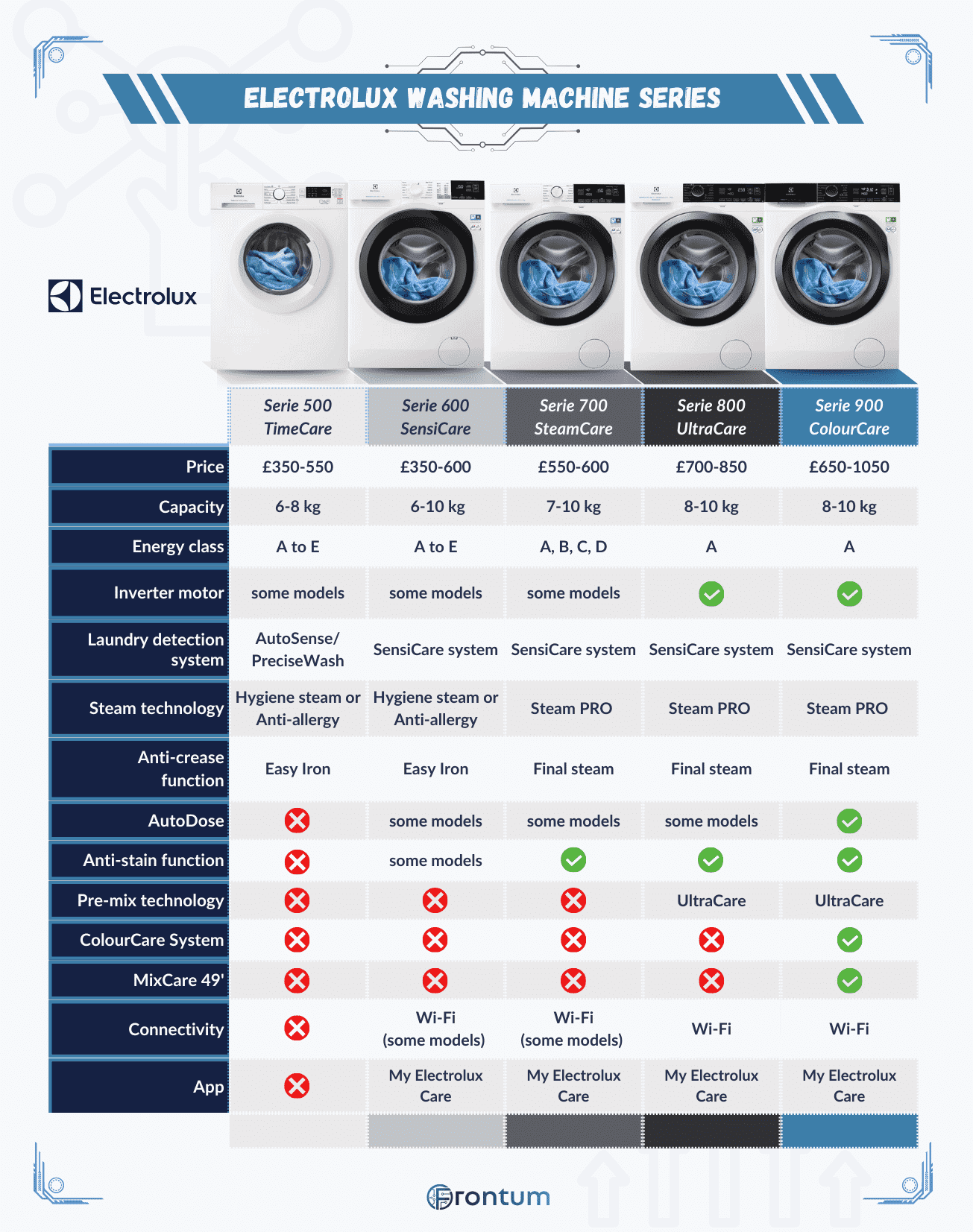
The 500 TimeCare and 600 SensiCare series include washing machines with energy classes ranging from A to E. The 700 SteamCare series ranges from A to D, while the 800 UltraCare and 900 ColourCare series only include class A models.
Energy consumption for Electrolux washing machines ranges from 47 to 73 kWh per 100 cycles, with an average of 56 kWh. Based on this, the brand ranks 11th out of 19 for energy consumption. In terms of water consumption, it ranges from 40 to 46 litres per cycle, with an average of 43 litres, placing 3rd out of 22 brands.
Consider energy class and consumption when choosing a washing machine, as they impact bills and environmental footprint. A higher energy class, such as A, consumes less energy (less than 49 kWh per 100 cycles) and reduces costs over time.
What is the spin efficiency of Electrolux washing machines?
The spin efficiency of Electrolux washing machines mainly falls into class B, with 91% of the models classified in this category, while 9% fall into class C. Class B represents the most common spin efficiency rating in the market, covering 85% of available washing machines.
The chart below illustrates the distribution of spin efficiency classes among Electrolux washing machines.
[pie-chart-88549191]
The spin efficiency class measures how effectively a washing machine removes moisture from clothes after spinning. It is closely tied to the maximum spin speed. Electrolux washing machines have maximum spin speeds ranging from 1000 to 1400 RPM, with 1200 RPM being the most common in 30% of the models, followed by 1400 RPM in 35%. These speeds are slightly below the market average, where 60% of washing machines reach 1400 RPM and 22% reach 1200 RPM.
For reference, spinning at 1600 RPM leaves about 43% moisture in clothes, while at 1400 RPM it’s 50%, and at 1200 RPM it’s 53%. Higher spin speeds reduce residual moisture, ideal for faster drying times or air drying.
If you frequently wash delicate fabrics, also consider the minimum spin speed, as it determines how gently the machine handles these garments. The minimum spin speed for Electrolux washing machines ranges from 400 to 800 RPM, with approximately 50% of models reaching a minimum of 400 RPM.
How noisy are Electrolux washing machines?
Electrolux washing machines have spin noise levels ranging from 69 to 78 dB, with an average of 76 dB. This places Electrolux in 12th position for spin noise levels among 22 brands. Since spinning is the noisiest part of the washing cycle, this value is a key indicator of the machine's overall noise level.
The chart below illustrates the distribution of spin noise levels among Electrolux washing machines.
[vertical-chart-14759475]
The noise emission class for Electrolux washing machines ranges from A to C (class A corresponds to a spin noise level below 73 dB, class B ranges from 73 to 76 dB, and class C ranges from 77 to 80 dB). Most Electrolux washing machines (30%) belong to class C.
How many washing programs do Electrolux washing machines offer?
Electrolux washing machines typically offer 14 washing programs, similar to many other brands. ECO cycle durations range from 190 to 260 minutes, with an average of 200 minutes—shorter than the market average of 218 minutes. Many models also feature a quick cycle, such as Quick 14', which lasts approximately 14 minutes.
The chart below shows the distribution of the number of washing programs among Electrolux washing machine models.
[vertical-chart-21045386]
The most common Electrolux washing programs are as follows.
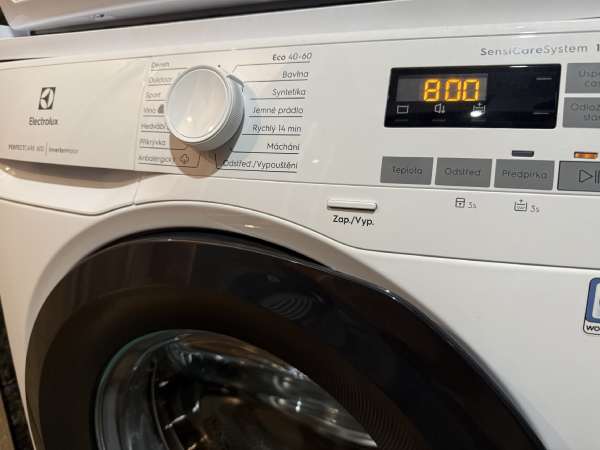
- Eco 40-60
- Cotton
- Synthetics
- Delicates
- Quick 14
- Anti-Allergy
- Duvets
- Sport
- Wool/Silk
- Outdoor
- Denim
Electrolux washing machines include some programs more frequently than other brands, such as the Jeans cycle (92% of Electrolux washing machines vs 45% of other brands), the Outdoor/Sport cycle (available in all Electrolux machines vs 67% of other brands), the Anti-Allergy cycle (92% vs 68%), and the Duvet cycle (77% vs 46%).
Specialised models like the 700 SteamCare series include unique cycles such as the FreshScent program, which refreshes clothes, neutralises odours, and saves over 40 litres of water per cycle. The 900 ColourCare series offers the MixCare 49' program, designed for efficient washing of mixed fabrics at 30°C in just 49 minutes.
Electrolux washing machines typically do not include the Shirts cycle (present in only 42% of other brands) and have fewer models with the Baby Care cycle (only 15% vs 39% of other brands).
Many Electrolux washing machines also feature Silk Premium certification, which ensures gentle care for delicate fabrics and enhances fabric softness and quality.
Electrolux washing machines often include the following functions for customising wash cycles.
- Quick function Time Manager: reduces the washing cycle duration by up to four times.
- Stain removal function (available in the 600, 700, 800, and 900 series)
- Extra rinse function
- Prewash function
- Anti-crease function: Easy Iron (gently washes and spins to reduce creases), rinse hold function (keeps clothes submerged until you are ready to continue), or steam function (Steam PRO or Final Steam adds a steam phase followed by a quick anti-crease phase at the end of the program).
- Soft Plus (in the 600 SensiCare series and above): ensures the softener is evenly distributed throughout the laundry via pre-soaking and uniform distribution of clothes.
- Night function: skips intermediate phases and the final spin, leaving the program with water in the drum to prevent creasing.
No Electrolux washing machines feature the Water+ or soak function.
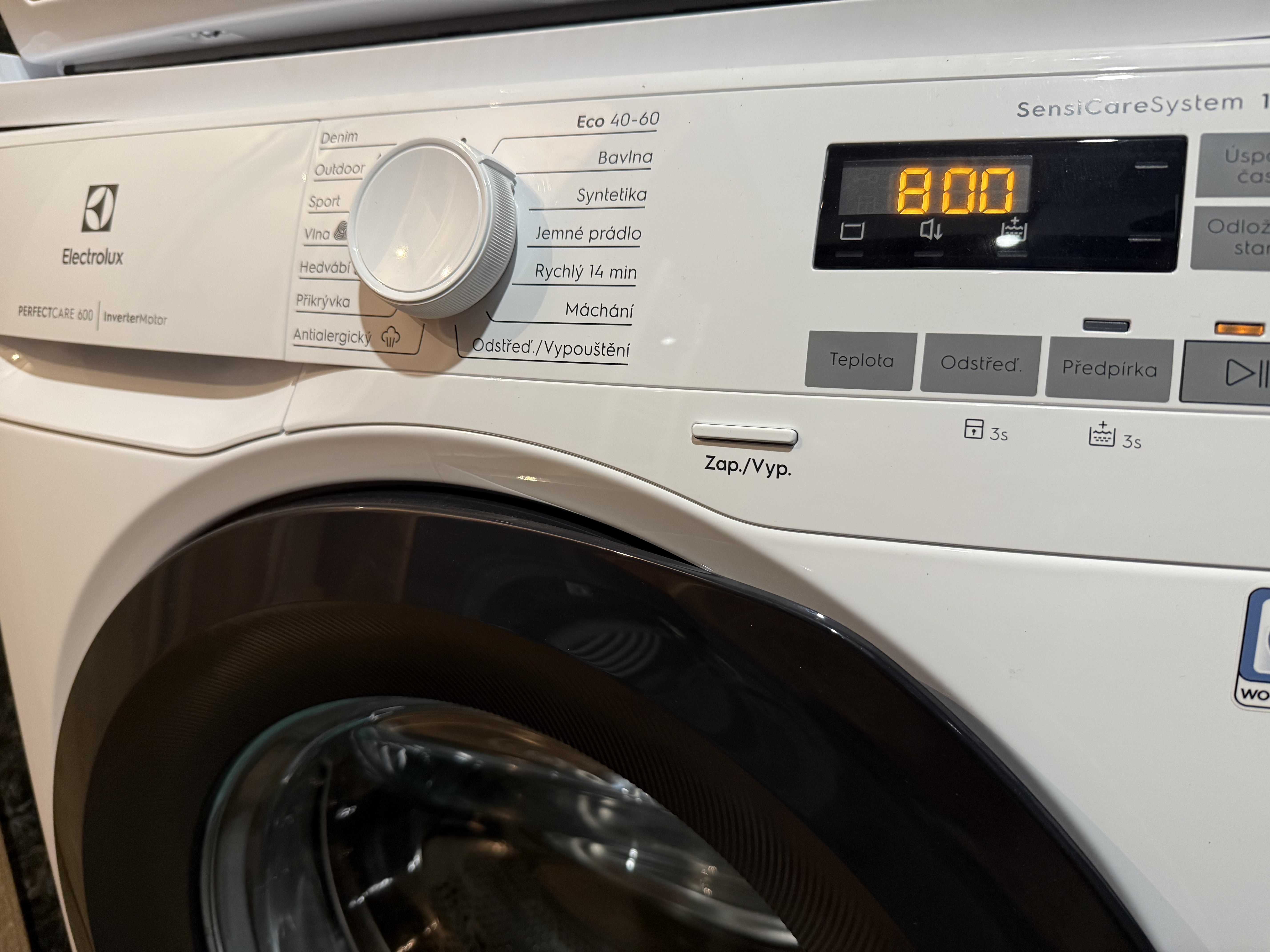
The image below shows the washing programs and functions available on the Electrolux EW6FN528SC washing machine (600 SensiCare series).
What are the common features of Electrolux washing machines?
Electrolux washing machines include 8 to 15 features, with an average of 10 features (which aligns with the market average).
The chart below shows the distribution of the number of features among Electrolux washing machines.
[vertical-chart-46662462]
The most common features found in nearly all Electrolux washing machines are as follows.
- Laundry detection system: AutoSense/PreciseWash (in the 500 TimeCare series) or SensiCare System (in the 600 SensiCare series and above) adjusts the program to the load weight, reducing energy, time, and water use by up to 40% for smaller loads.
- Unbalanced load detection
- Foam control system
- Delay start: up to 20 hours, in some models up to 9 hours.
Other features often available in Electrolux washing machines include are as follows.
- Inverter motor (54% of Electrolux models)
- Steam technology (92% of Electrolux models): Hygiene Steam or Anti-Allergy Steam functions (in the 500 TimeCare and 600 SensiCare series) eliminate 99.99% of viruses and bacteria; Steam PRO technology (in the 700 SteamCare series and above) reduces wrinkles by one-third with a steam burst after washing.
- Self-cleaning function (92% of Electrolux models)
- Soft-opening door (in top-loading models; found in 46% of models)
Advanced Electrolux models also include the following features.
- Automatic dosing system: AutoDose, with a drawer that can last up to 30 washes.
- UltraCare pre-mixing technology (available only in the 800 UltraCare and 900 ColourCare series): the UltraWash program effectively washes at 30°C, saving 30% energy compared to the Cotton cycle at 40°C and preserving garments longer.
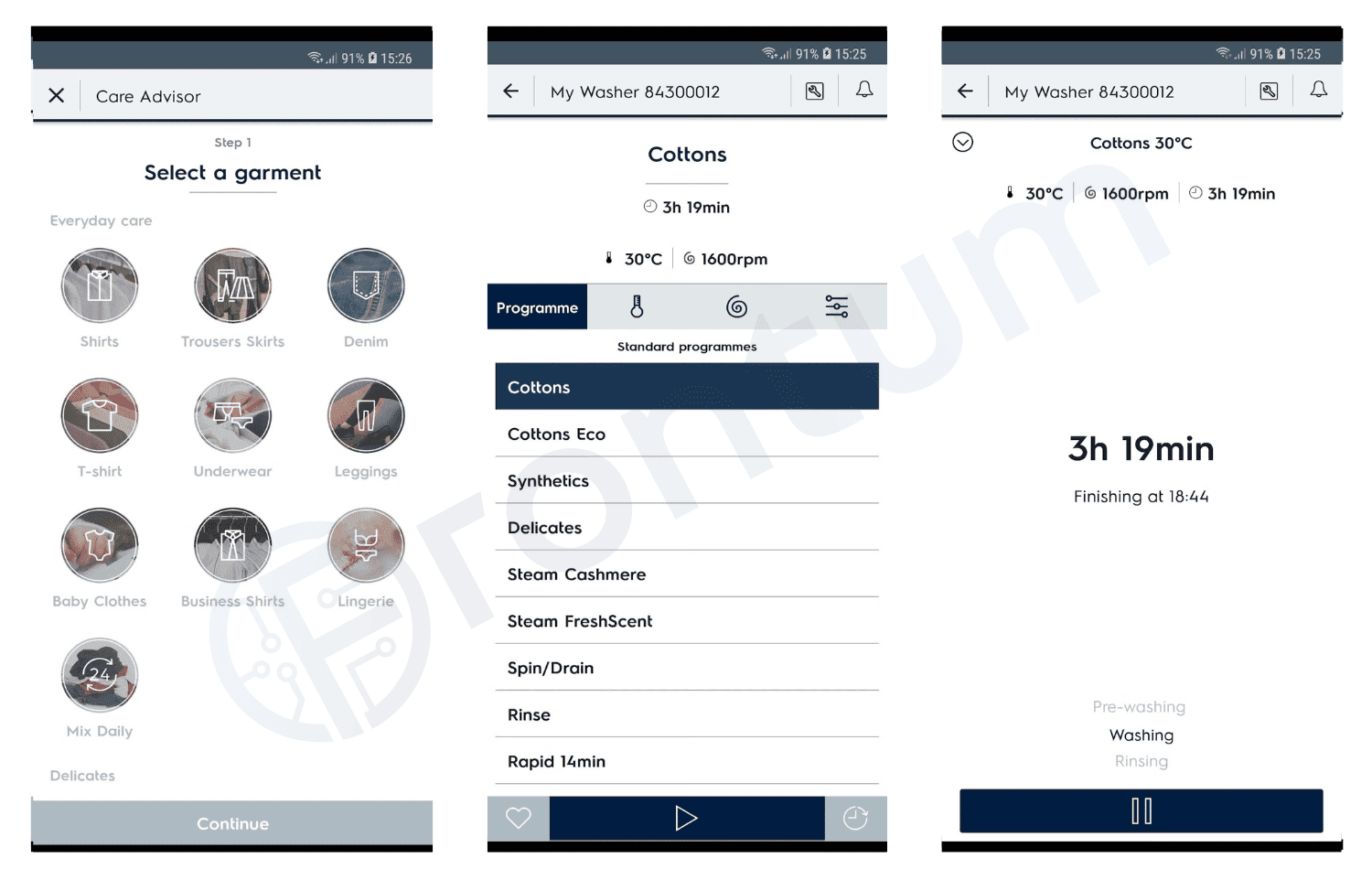
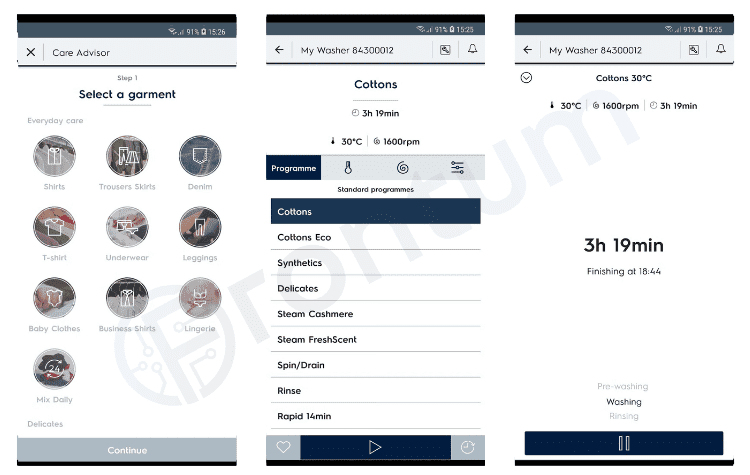
- Wi-Fi connectivity (15% of Electrolux models): controllable via the My Electrolux Care app.
- Memory function (15% of Electrolux models): available only through the app.
- ColourCare system (available only in the 900 ColourCare series): a water filter that removes impurities and minerals for better detergent mixing.
- AquaStop system (available only in the 900 ColourCare series): a safety system that immediately stops water inflow in case of leaks.
- Detergent waste reduction system (available in some models from the 700 series; mainly found in built-in models).
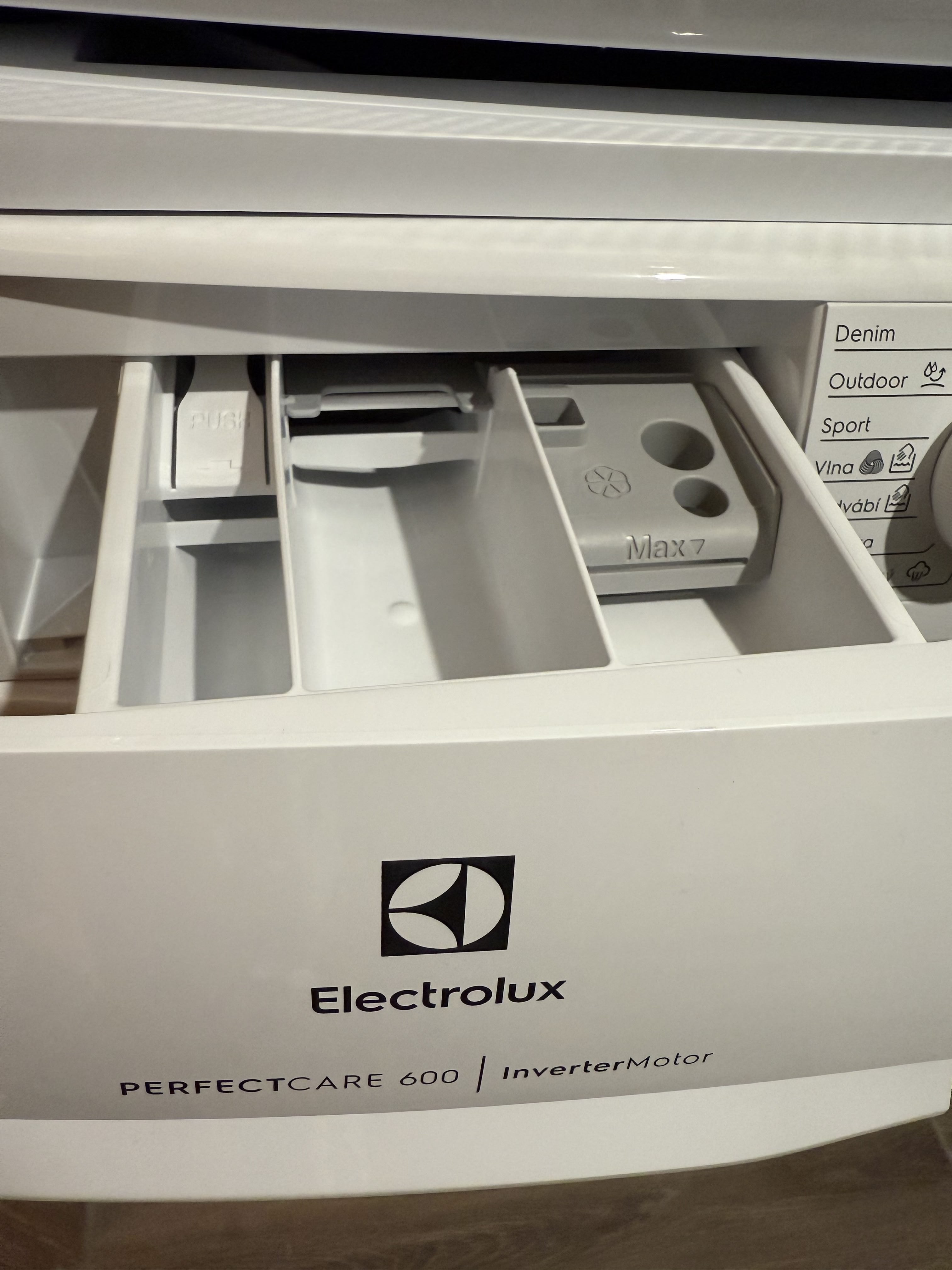
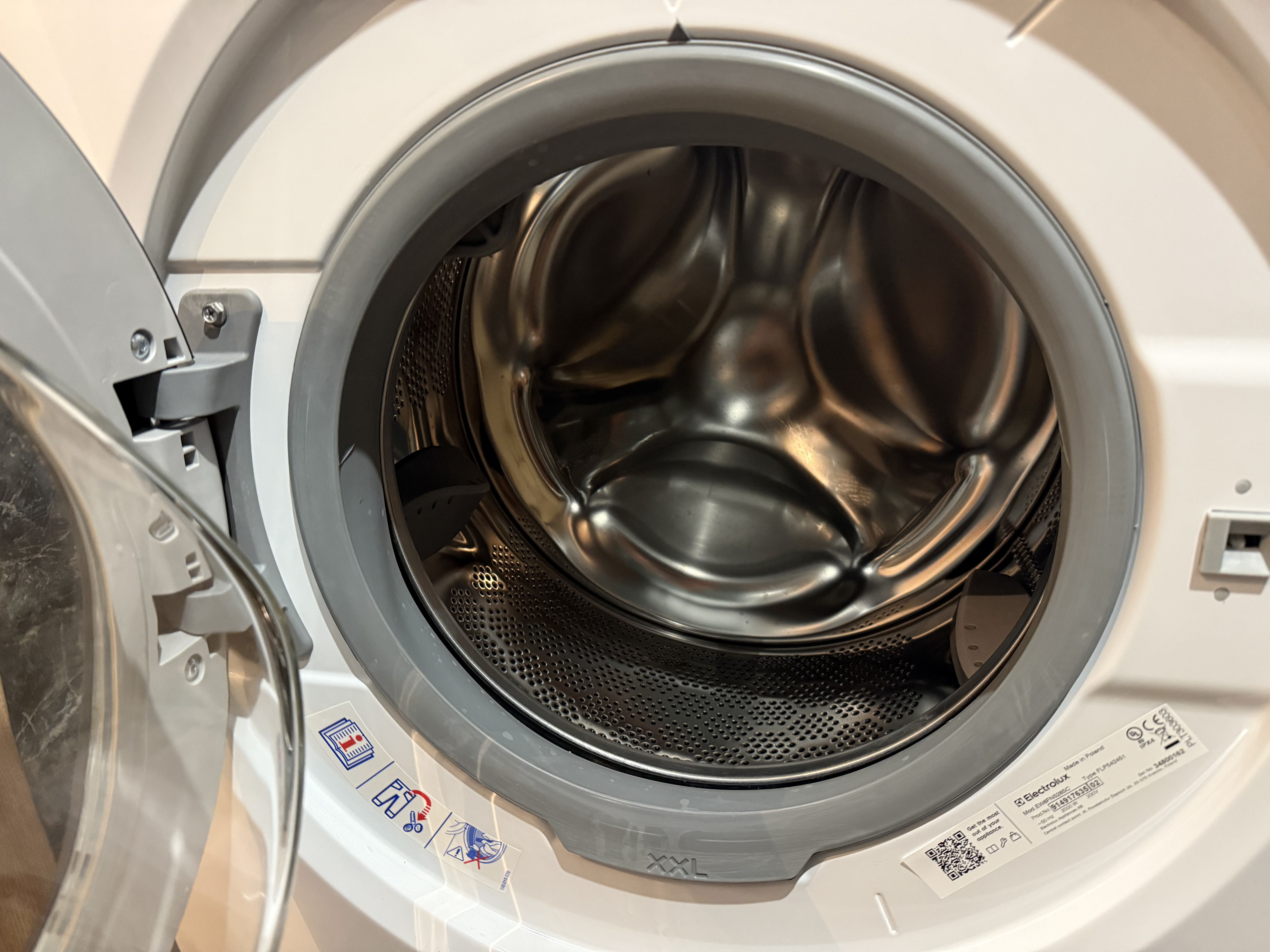
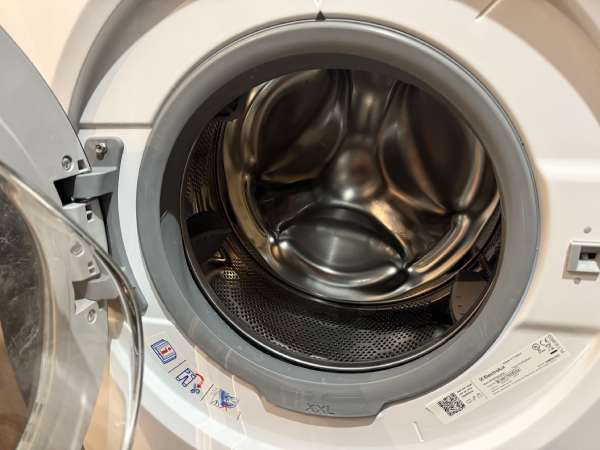
Some models feature a special drum design (GentleCare Drum) with more perforations than traditional drums, reducing fabric wear. Some integrated models include an anti-vibration system.
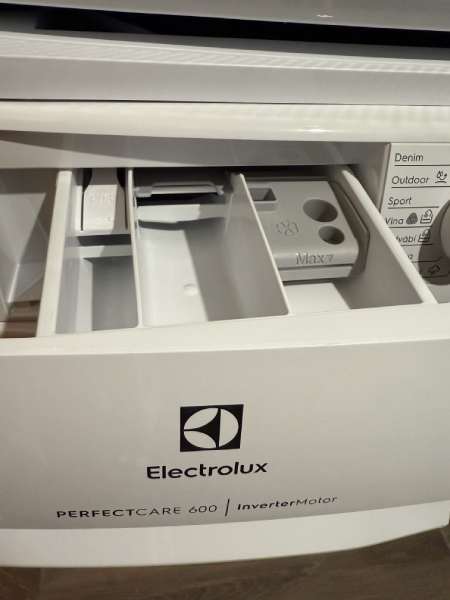
The images below show the detergent drawer and drum design of the Electrolux EW6FN528SC washing machine (PerfectCare 600 SensiCare series).
Electrolux washing machines lack certain features, such as automatic drawer cleaning (present in 12% of all washing machines), AI technology (11%), smart diagnosis (43%), load balancing system, energy-saving mode, or water jet system.